
The ‘Dam’ in Amsterdam — History & Facts
What if beauty was never meant to be finished? In Gerrit Adriaensz. Berckheyde's The ‘Dam’ in Amsterdam, a moment of urban harmony unfurls, suggesting that balance is the true essence of artistry. Look to the center of the composition, where the bustling square draws your gaze. The eye is immediately captured by the magnificent architecture, the grand facades standing in proud symmetry beneath a crisp blue sky.
Notice how the play of light bathes the buildings in warm tones, casting gentle shadows that dance across the cobblestones below. Each figure, whether solitary or in conversation, seems to embody a story, enhanced by the artist's meticulous brushwork that breathes life into everyday activities. Delving deeper, you’ll uncover the tension between the vibrancy of city life and the serene backdrop of towering structures. The figures, engaged in their routines, convey a shared existence, yet their individual expressions hint at personal narratives—some joyful, others contemplative.
This interplay illustrates the duality of urban existence: the harmony of communal life contrasted with the solitude of one’s thoughts. The artist masterfully balances both detail and atmosphere, making the viewer acutely aware of their own place within this lively tableau. In 1668, Berckheyde painted this masterpiece while living in Amsterdam, a city rapidly transforming through trade and cultural exchange. As the Dutch Golden Age flourished, he was deeply influenced by the burgeoning realism in art, reflecting contemporary life with precision.
His works exemplified the era’s fascination with urban landscapes, capturing the essence of a society on the brink of modernity.
More Artworks by Gerrit Adriaensz. Berckheyde
Browse all →
View of the Golden Bend in the Herengracht
Gerrit Adriaensz. Berckheyde
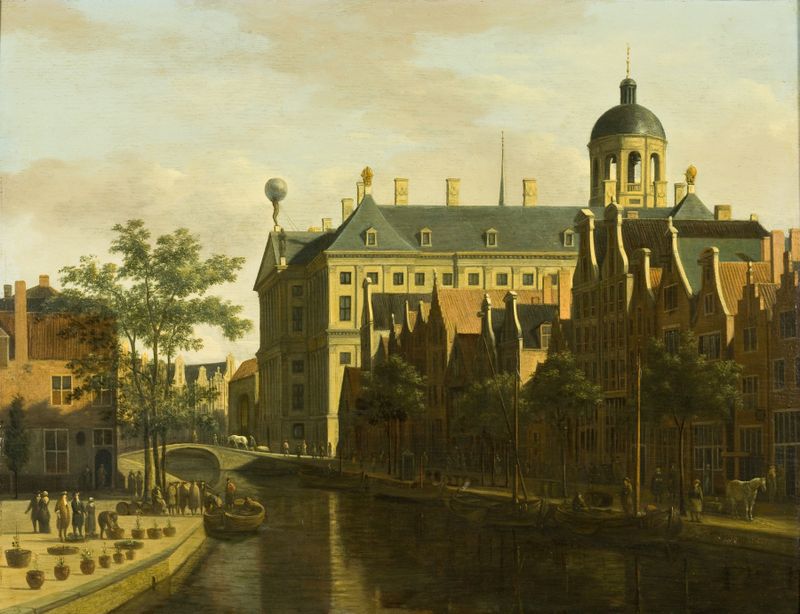
The Nieuwezijds Voorburgwal with the Flower and Tree Market in Amsterdam
Gerrit Adriaensz. Berckheyde
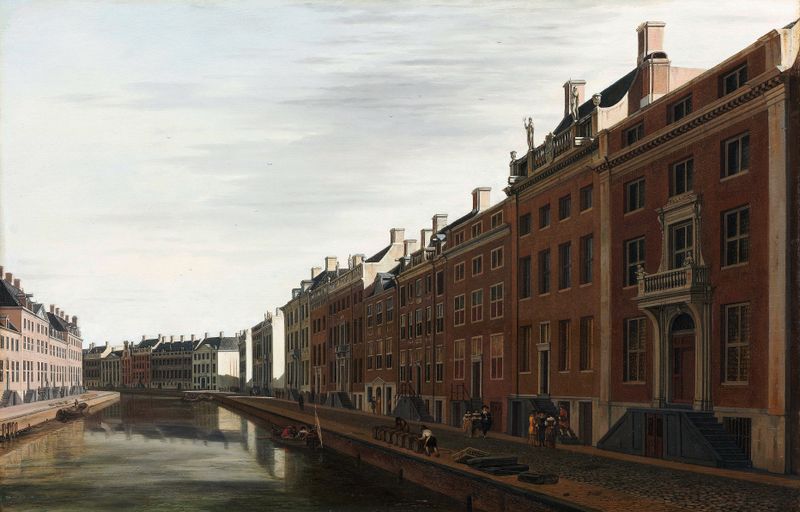
De Gouden Bocht in de Herengracht in Amsterdam vanuit het westen
Gerrit Adriaensz. Berckheyde
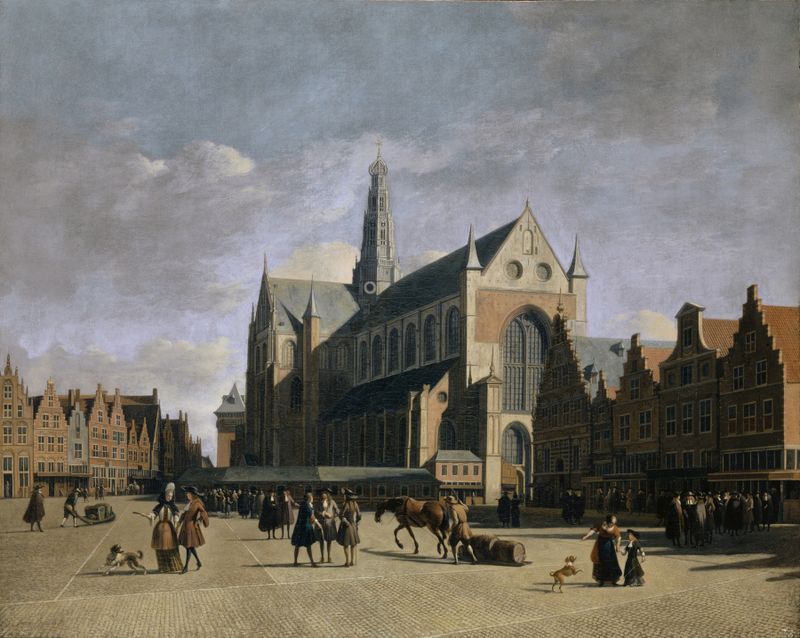
The Market Place in Haarlem
Gerrit Adriaensz. Berckheyde
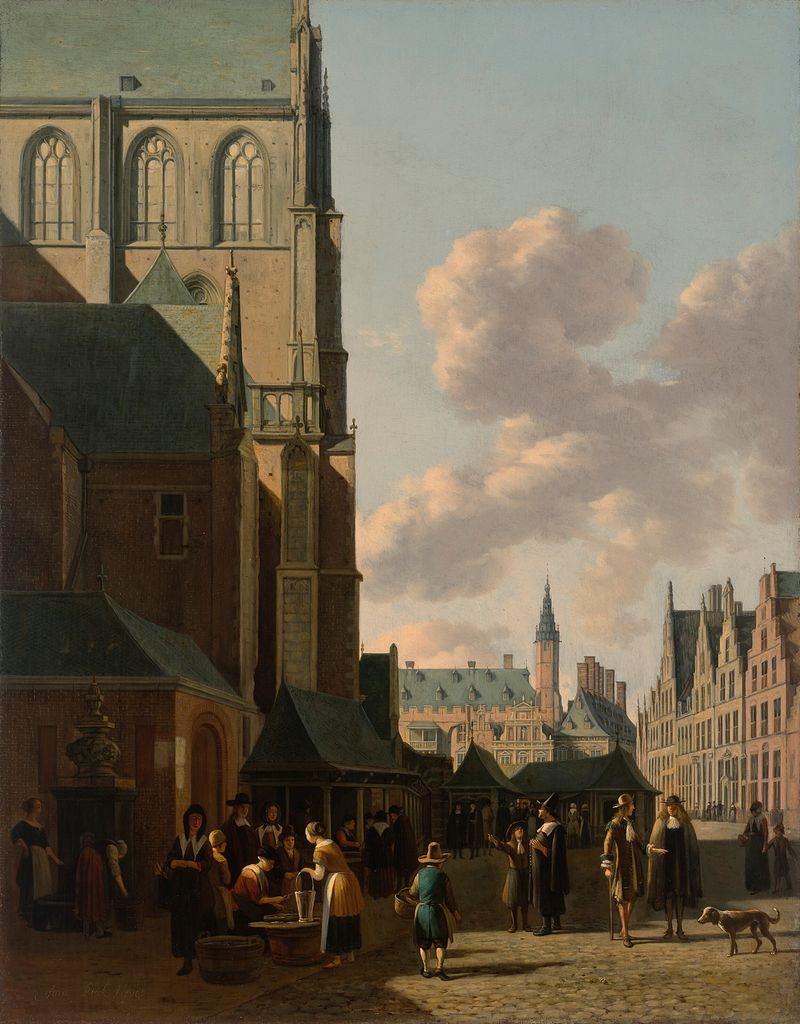
The Grote Markt, Haarlem, looking west, with the Grote Kerk (St Bavo’s) and the fish-market, the Town Hall beyond
Gerrit Adriaensz. Berckheyde
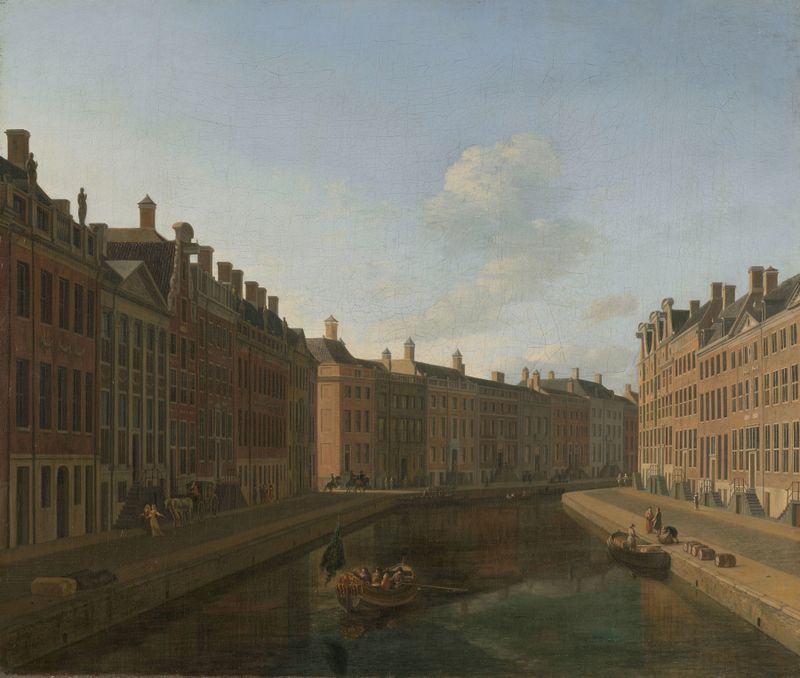
Gezicht op de Gouden Bocht in de Herengracht vanuit het oosten
Gerrit Adriaensz. Berckheyde

The Town Hall on Dam Square, Amsterdam
Gerrit Adriaensz. Berckheyde

The Town Hall in Amsterdam
Gerrit Adriaensz. Berckheyde
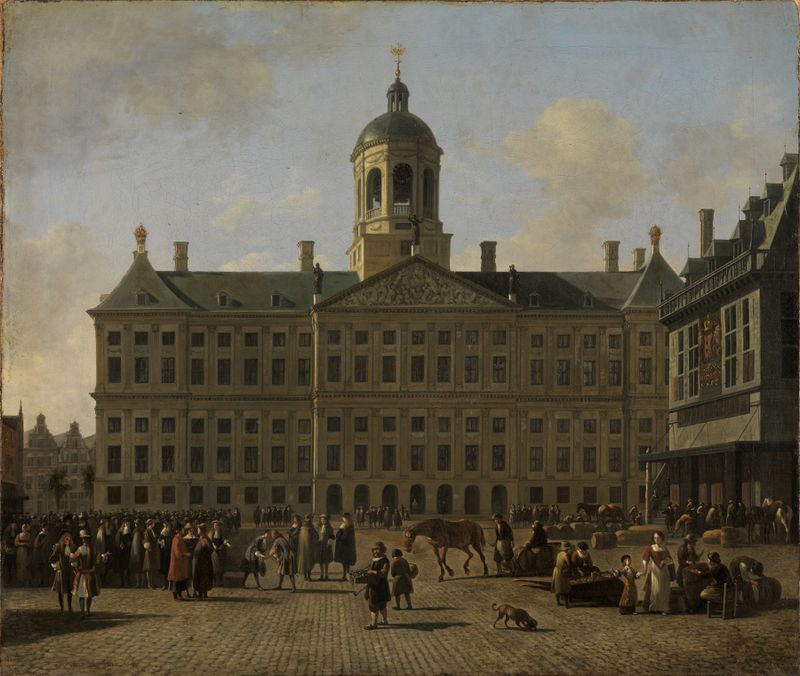
Der Damplatz zu Amsterdam mit dem Rathaus und der Waage
Gerrit Adriaensz. Berckheyde
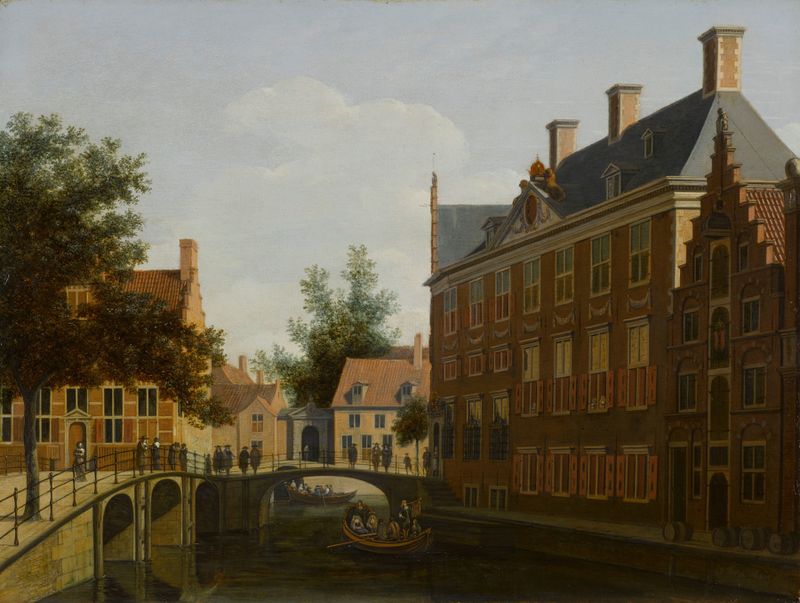
The Oude Zijds Herenlogement (Gentlemen’s Hotel) in Amsterdam
Gerrit Adriaensz. Berckheyde
More Architecture Art
Browse all →
The statue of Liberty
Frédéric Auguste Bartholdi

View of Houses in Delft, Known as ‘The Little Street’
Johannes Vermeer

View of Houses in Delft, Known as ‘The Little Street’
Johannes Vermeer

The Cathedral in Rouen. The portal, Grey Weather
Claude Monet

The yellow house
Vincent van Gogh

The Church in Auvers-sur-Oise, View from the Chevet
Vincent van Gogh