
The Death of the Pharaoh’s Firstborn Son — History & Facts
In The Death of the Pharaoh’s Firstborn Son, Lawrence Alma-Tadema presents a dramatic scene filled with rich colors. The painting features a young boy lying on a bed, surrounded by mourners in a lavish Egyptian setting. The figures are dressed in intricate garments, showcasing the artist's attention to detail.
The warm hues of gold and red contrast with the cooler tones of the background, creating a somber yet striking atmosphere. The painting is executed in oil on canvas, a medium that allows for vibrant colors and fine details. Alma-Tadema's technique includes meticulous brushwork that captures the textures of fabrics and the expressions of the figures. The composition is carefully arranged, drawing the viewer's eye to the central figure of the dying child.
This work exemplifies the artist's skill in depicting historical subjects with realism and emotional depth. Lawrence Alma-Tadema was known for his depictions of ancient cultures, particularly Egypt. This painting, created around c. 1872, reflects his fascination with the grandeur and tragedy of historical narratives.
An interesting fact about this work is that it was inspired by the biblical story of the Plague of the Firstborn, showcasing Alma-Tadema's ability to blend history with dramatic storytelling. His works often evoke a sense of nostalgia for a bygone era, making them popular among Victorian audiences.
More Artworks by Lawrence Alma-Tadema

The Roses of Heliogabalus
Lawrence Alma-Tadema

A Juggler
Lawrence Alma-Tadema
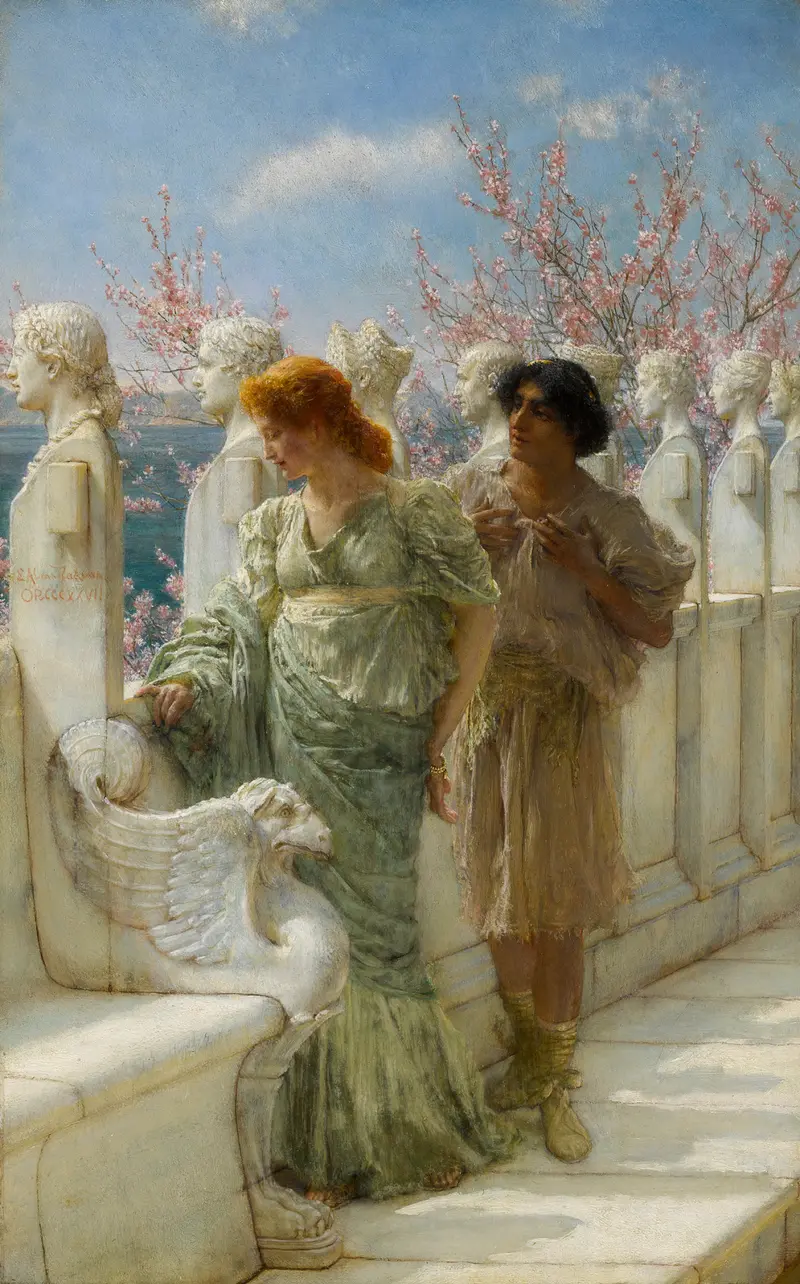
Past And Present Generations
Lawrence Alma-Tadema
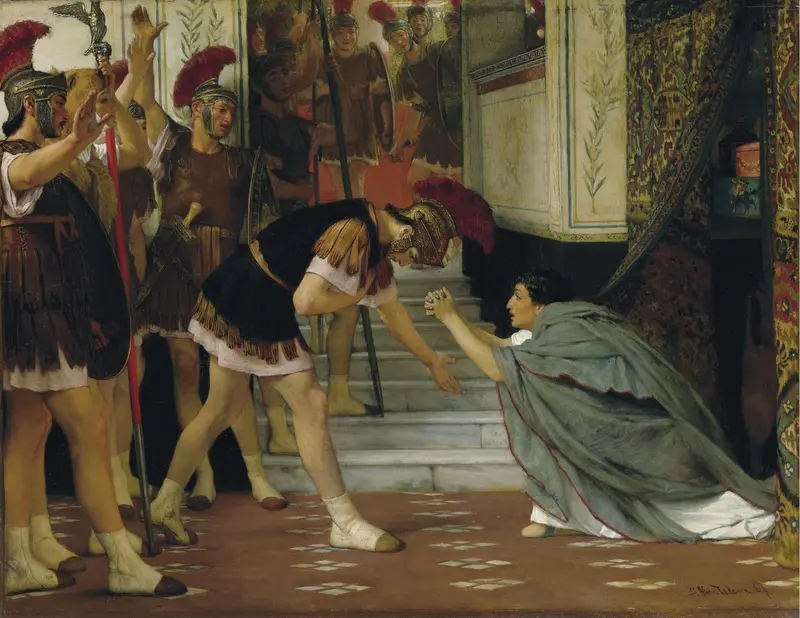
Proclaiming Claudius Emperor, Opus XlVIII
Lawrence Alma-Tadema
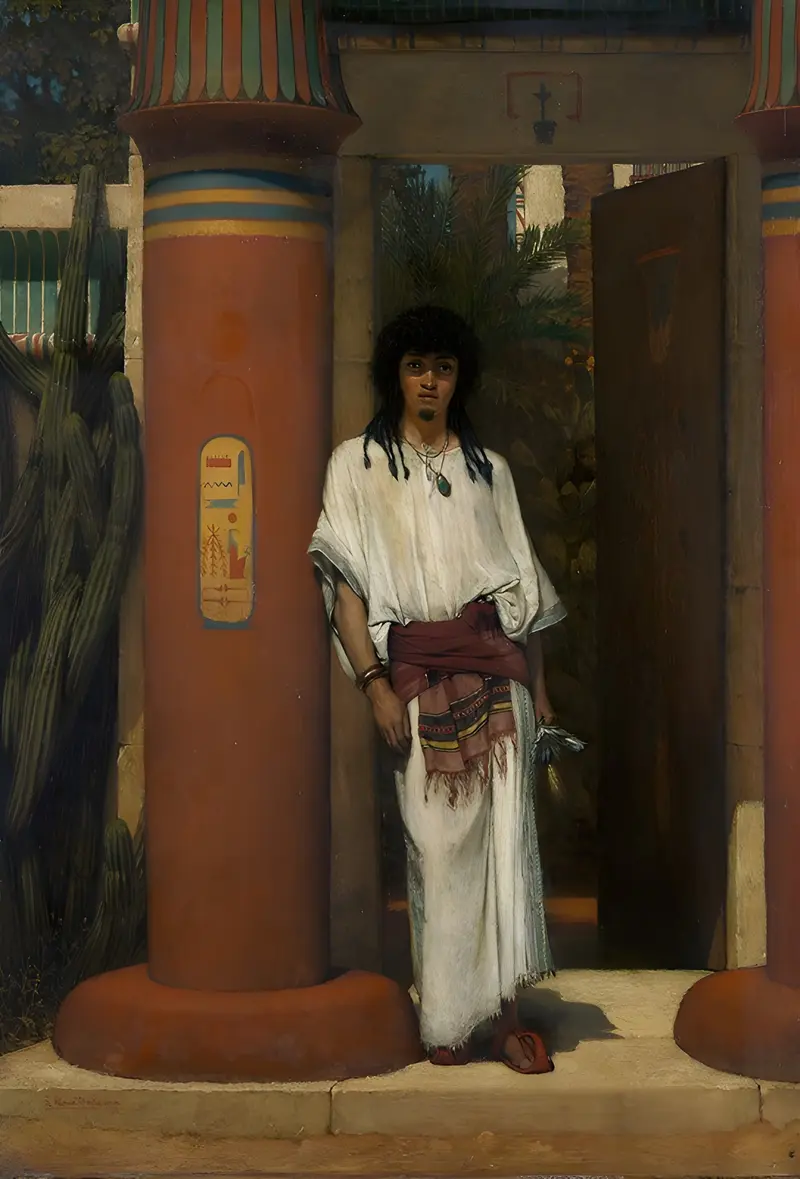
An Egyptian in a Doorway
Lawrence Alma-Tadema
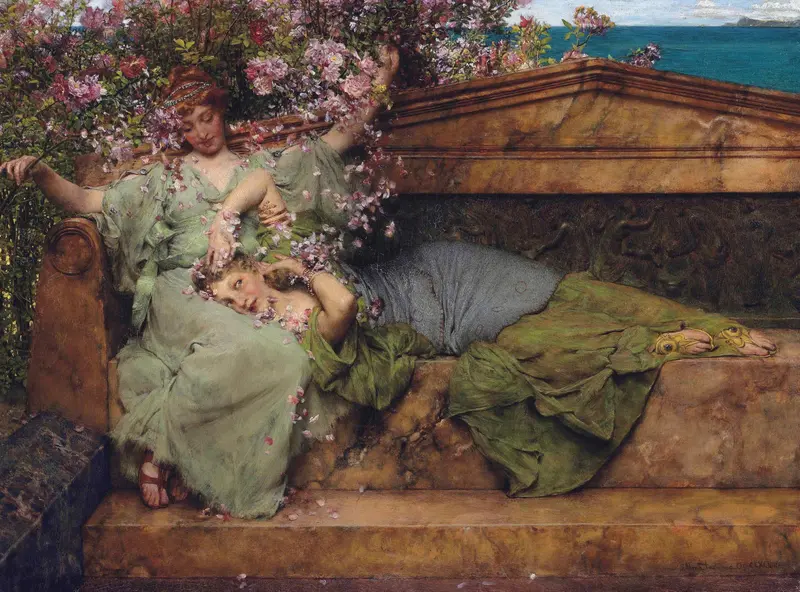
In A Rose Garden
Lawrence Alma-Tadema
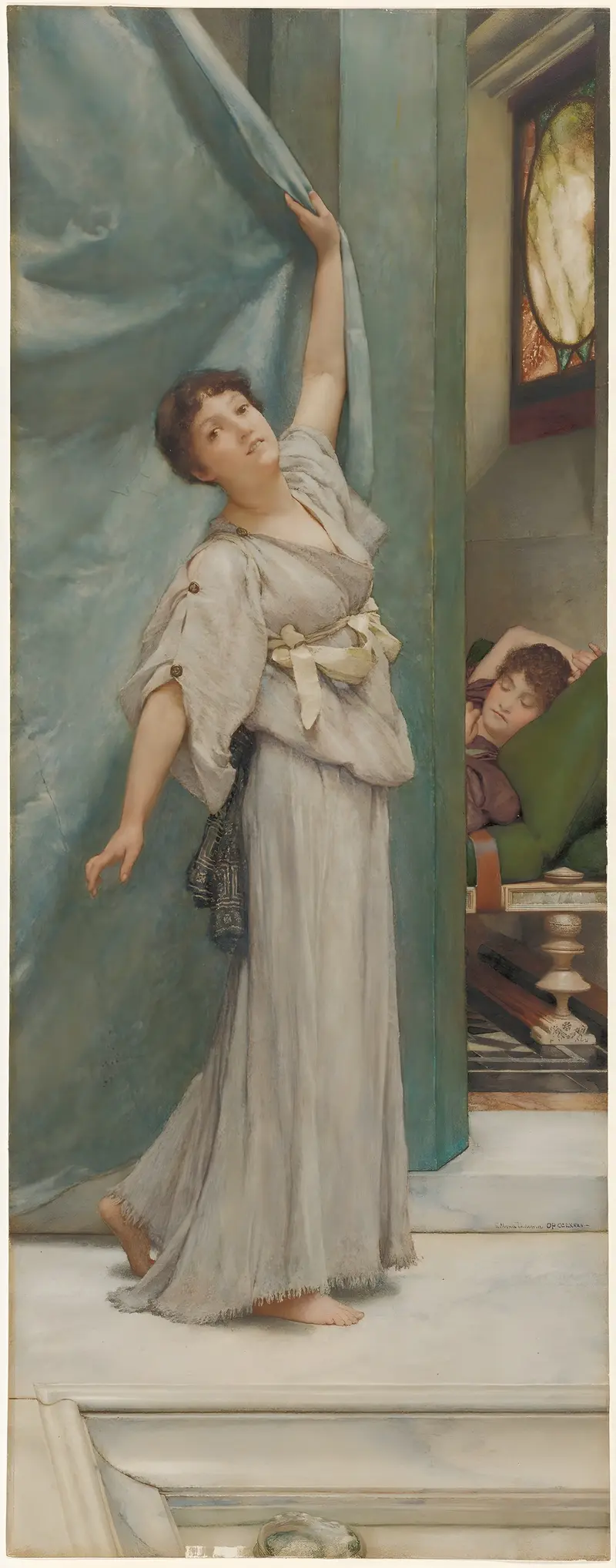
Midday Slumbers
Lawrence Alma-Tadema
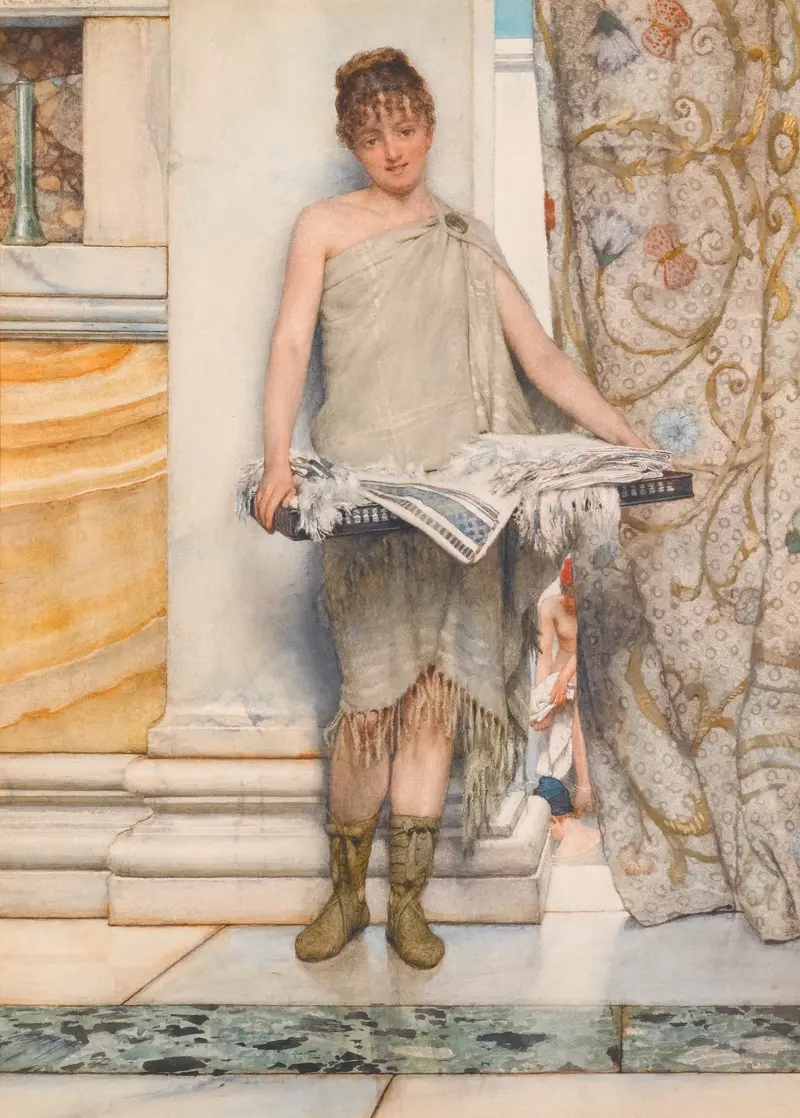
A Balneatrix
Lawrence Alma-Tadema
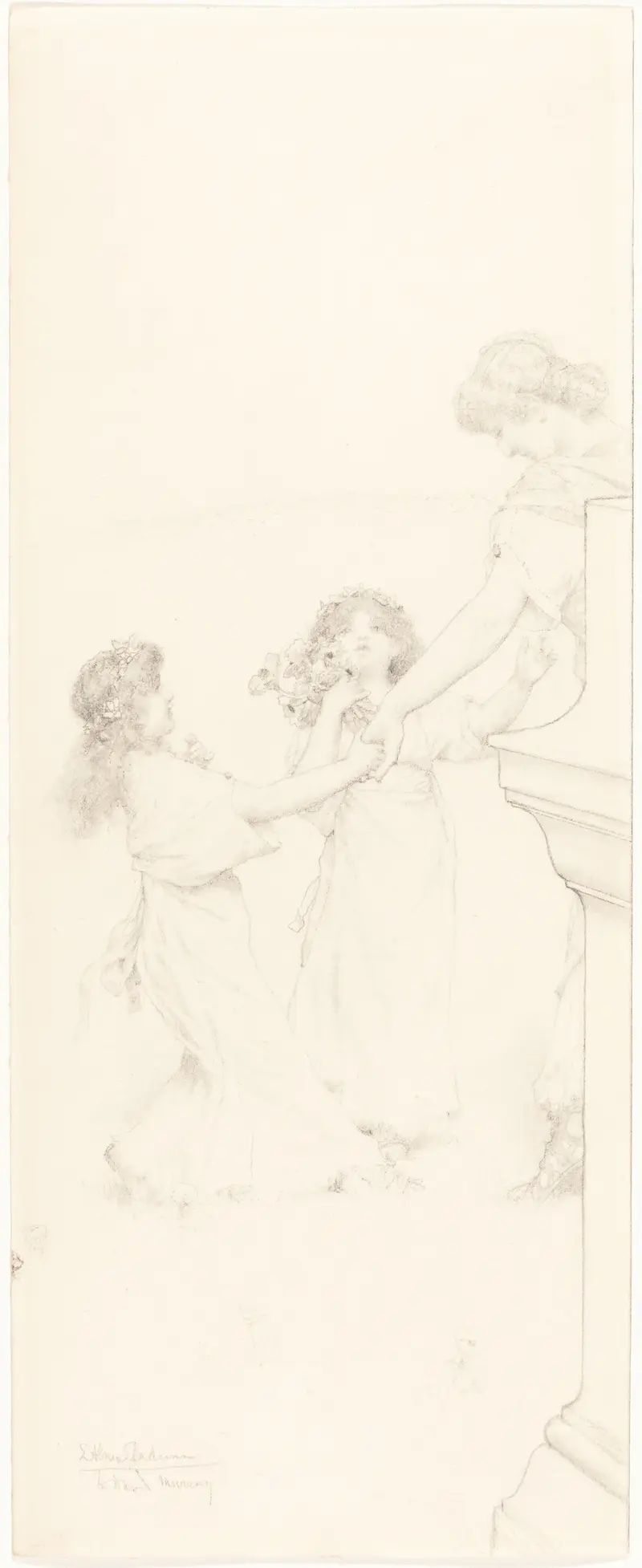
A Dance in Spring
Lawrence Alma-Tadema
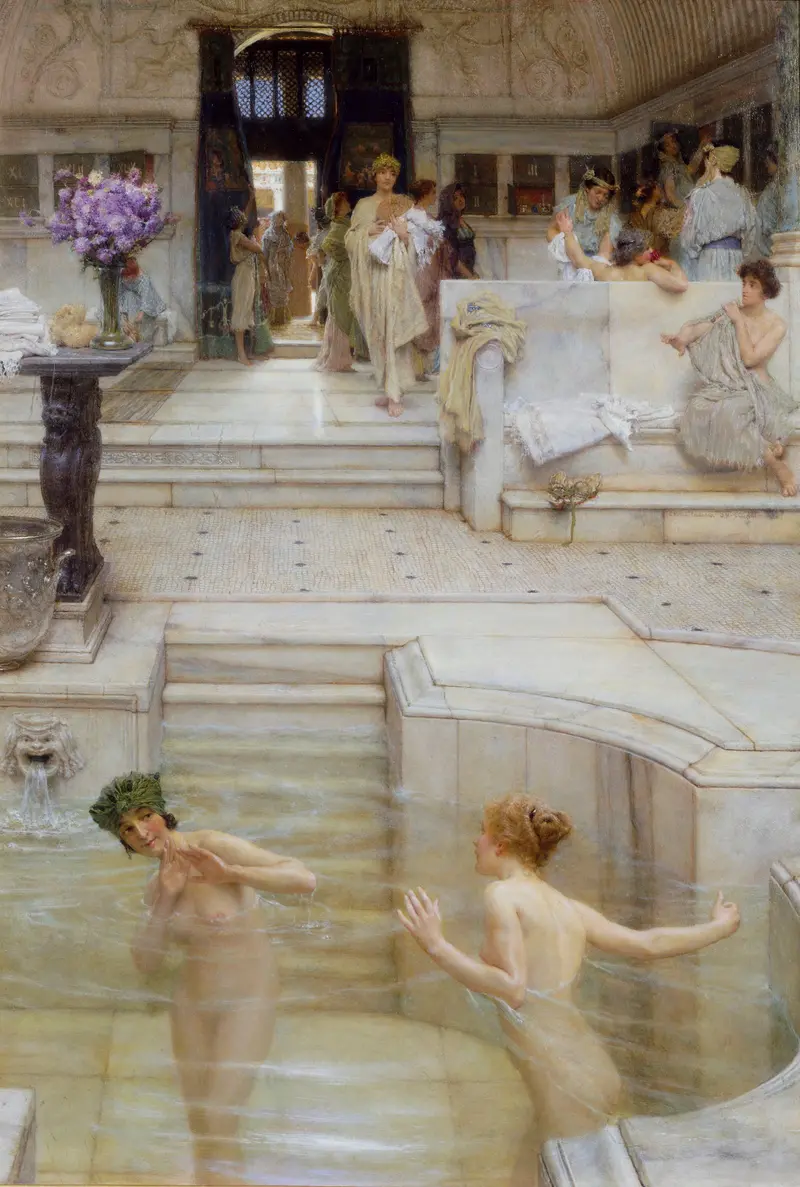
A Favourite Custom
Lawrence Alma-Tadema




