
The Deluge towards Its Close — History & Facts
Did the painter know this moment would outlive them? In The Deluge towards Its Close, the weight of time hangs palpably in the air, echoing a yearning for permanence amidst the ephemeral chaos of nature. Look to the left at the murky waters, swirling with the remnants of a tempest that has ravaged the landscape. The horizon shimmers subtly, where dark clouds meet the fading light, capturing the shift from violence to tranquility. Notice how Shaw employs muted earth tones to evoke a sense of devastation, yet hints of soft pastels in the sky suggest hope, suggesting a world on the brink of renewal. The emotional tension of the painting lies within its contrasts—the ferocity of the flood against the stillness that follows.
Small details, like the scattered debris or the lone figure in the distance, convey isolation amid a vast, transformed landscape. These elements speak to humanity's struggle and resilience, inviting viewers to reflect on their own journeys through tumultuous times. Joshua Shaw painted this work while in America in 1813, a time when he was deeply influenced by the Romantic movement's reverence for nature's majesty and terror. The nation was still young and grappling with its identity, mirroring the turmoil expressed in the artwork.
As Shaw navigated his personal and professional life, this piece encapsulated both the beauty and despair of a world forever altered by nature's fury.
More Artworks by Joshua Shaw
Browse all →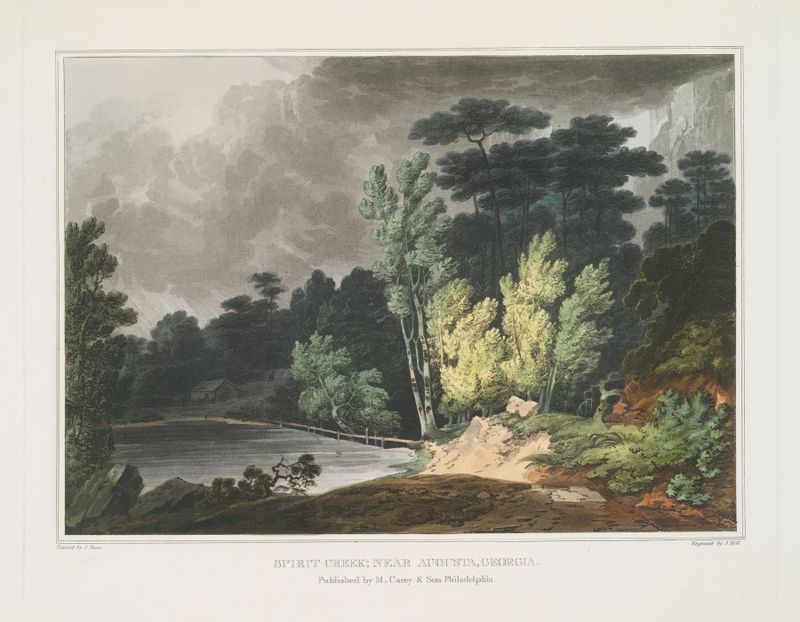
Spirit Creek, near Augusta, Georgia
Joshua Shaw
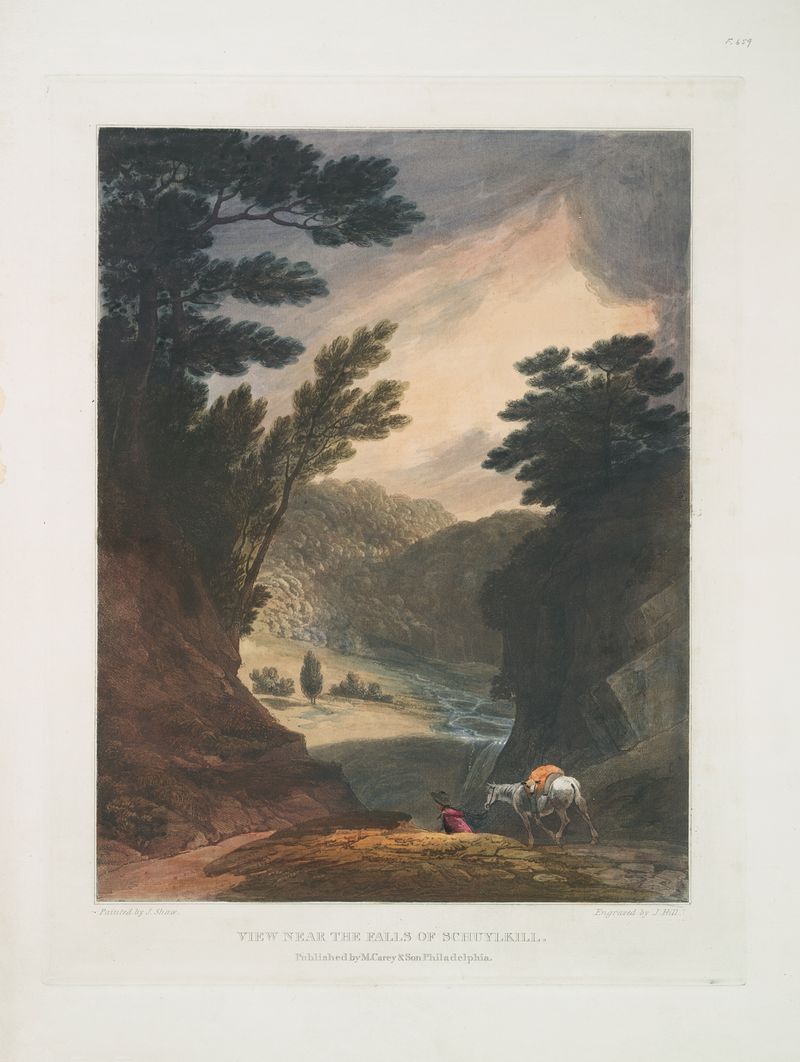
View near the Falls of Schuylkill
Joshua Shaw
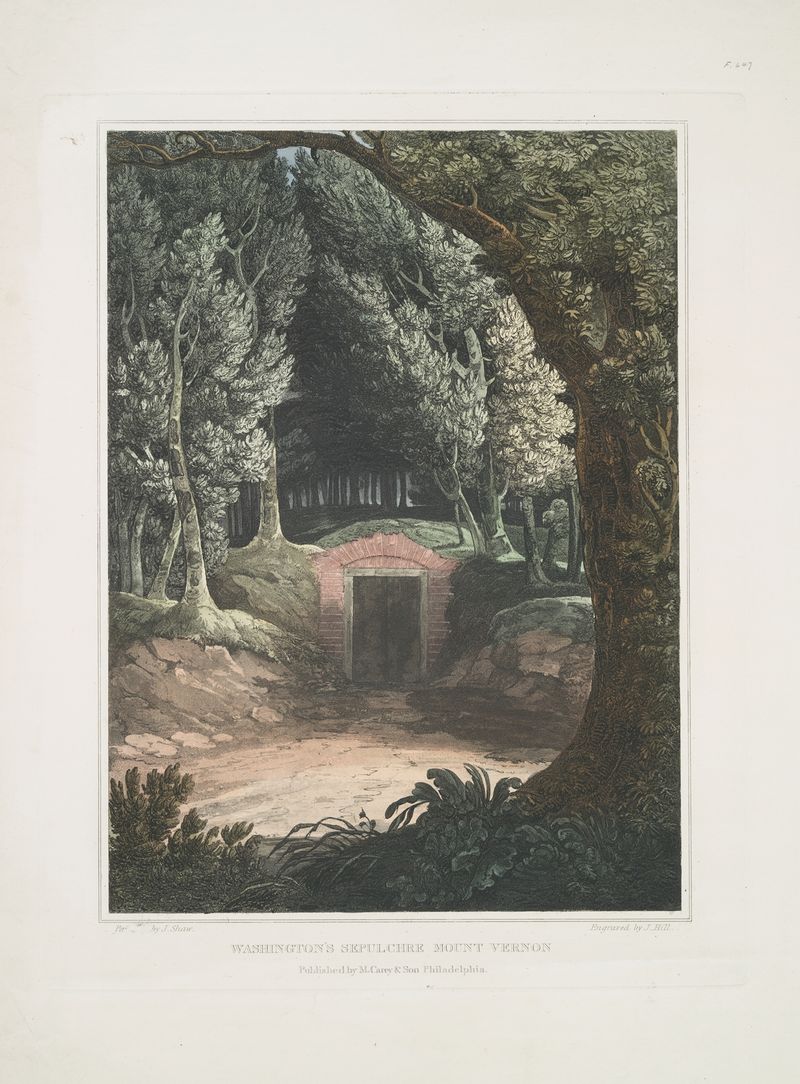
Washington’s sepulchre, Mount Vernon
Joshua Shaw
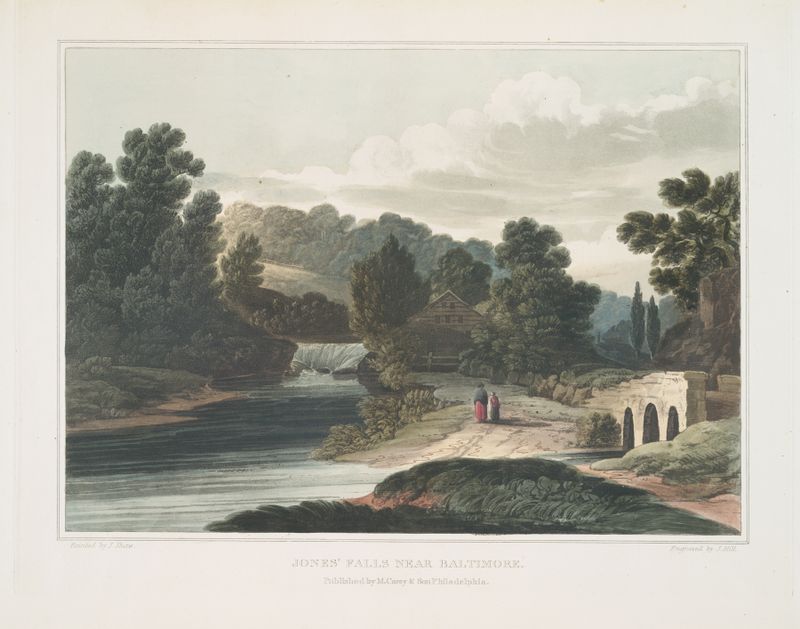
Jones’ Falls near Baltimore
Joshua Shaw
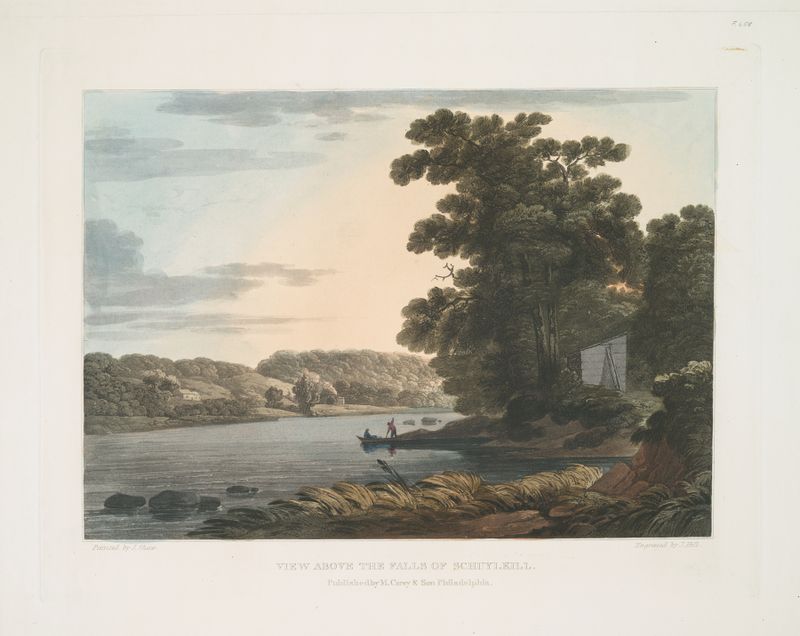
View above the Falls of Schuylkill
Joshua Shaw
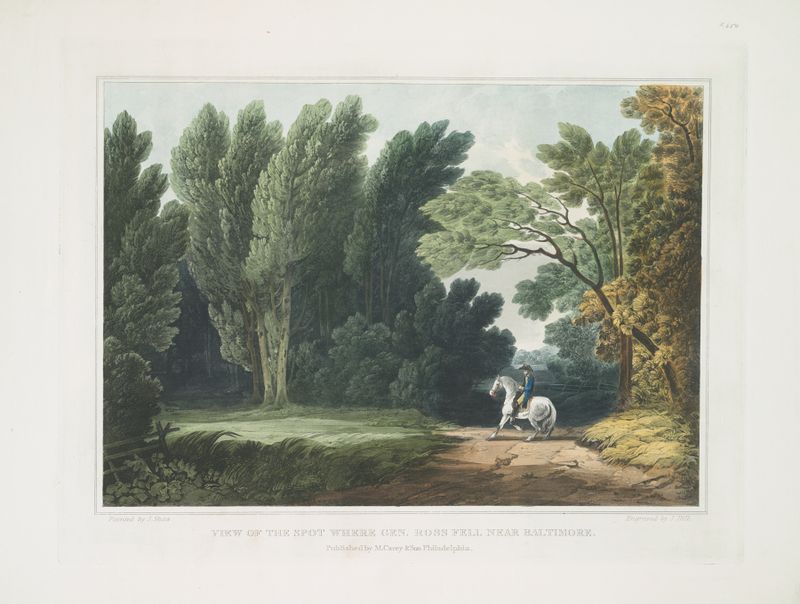
View of the spot where Gen. Ross fell near Baltimore
Joshua Shaw
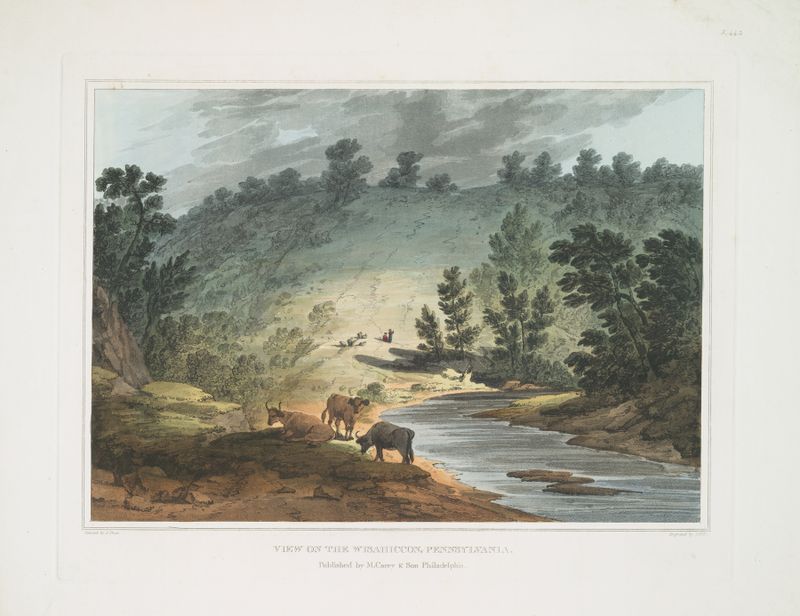
View on the Wisahiccon, Pennsylvania
Joshua Shaw
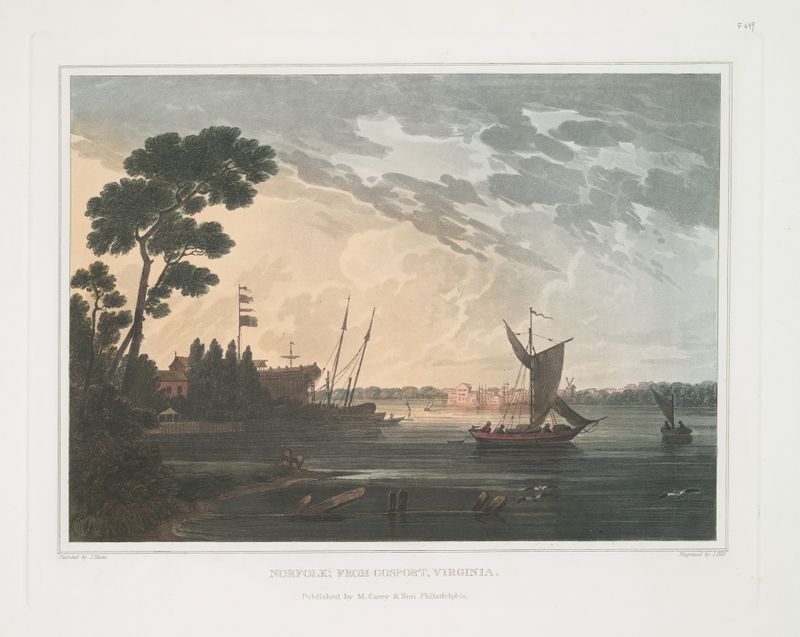
Norfolk, from Gosport, Virginia
Joshua Shaw
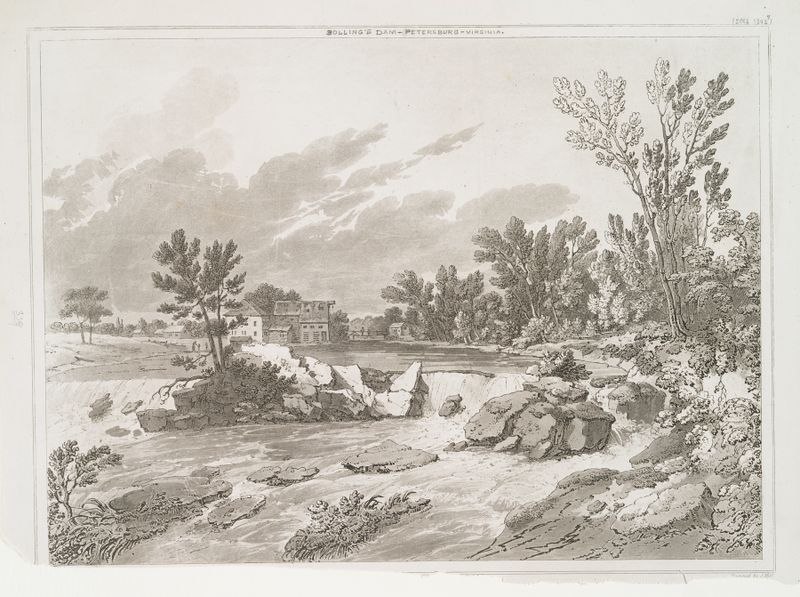
Bolling’s Dam, near Peterburgh, Virginia
Joshua Shaw
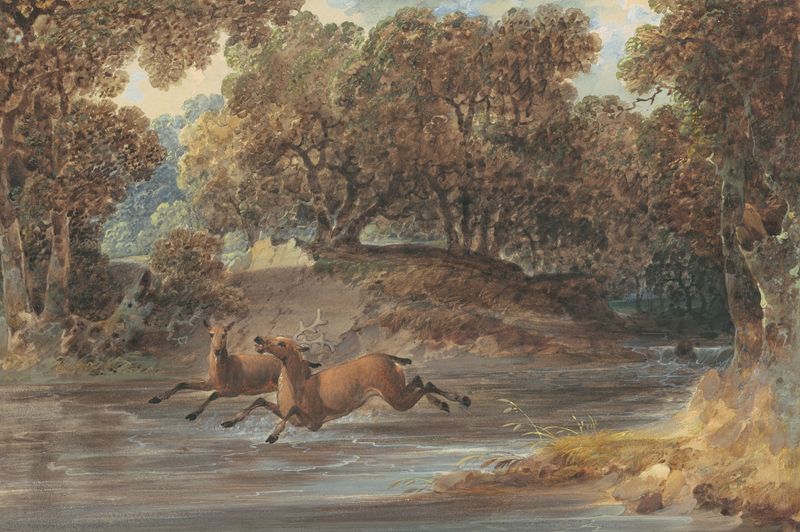
Landscape with Deer,North Carolina
Joshua Shaw





