
Washington’s sepulchre, Mount Vernon — History & Facts
In the stillness of a sepulchre, a haunting emptiness lingers, echoing the weight of history left unspoken. To the viewer, the composition draws the eye first to the solemn structure at the center, meticulously rendered in muted tones. Notice how the soft light spills over the stone, casting gentle shadows that enhance the sense of reverence. The surrounding greenery frames the scene, but it is the stark contrast of the sepulchre against the natural backdrop that evokes a profound sense of solitude.
Each brushstroke captures not only the form but also the silence enveloping this hallowed ground. Upon closer examination, subtle details reveal layers of meaning—the withering leaves that cling to the base of the monument suggest the passage of time, while the expansive sky above hints at an enduring legacy. The artist's choice of subdued colors amplifies the emotions of both loss and remembrance, inviting contemplation of those who once walked the earth. In this quiet space, the absence of figures amplifies the sense of emptiness, drawing attention to what remains—memory, respect, and perhaps, a longing for connection. Painted between 1819 and 1821, this piece belongs to an era when Joshua Shaw sought to depict American historical themes with reverence and introspection.
Living in the early days of the nation, he was influenced by the burgeoning sense of national identity and the collective memory of its founding figures. The work reflects not only a personal homage to George Washington but also embodies a broader cultural quest for meaning and place in a rapidly changing world.
More Artworks by Joshua Shaw
Browse all →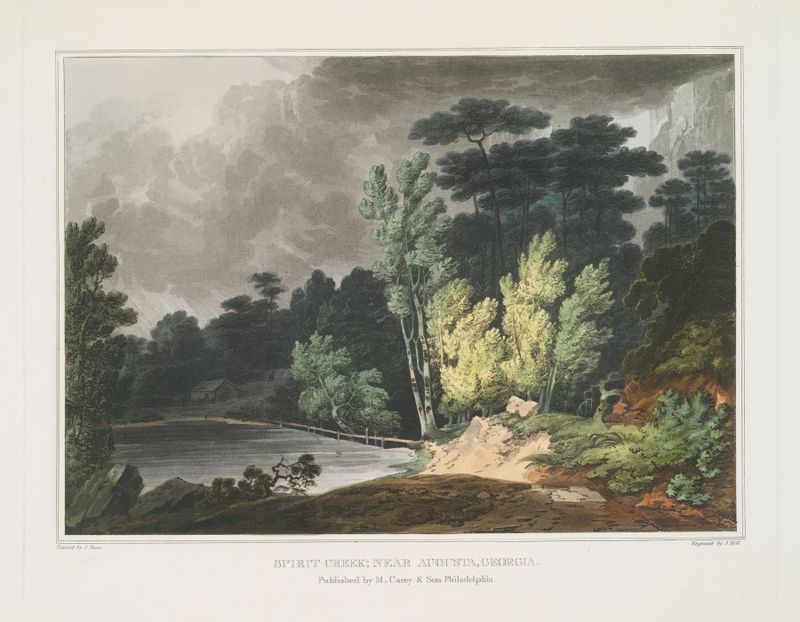
Spirit Creek, near Augusta, Georgia
Joshua Shaw
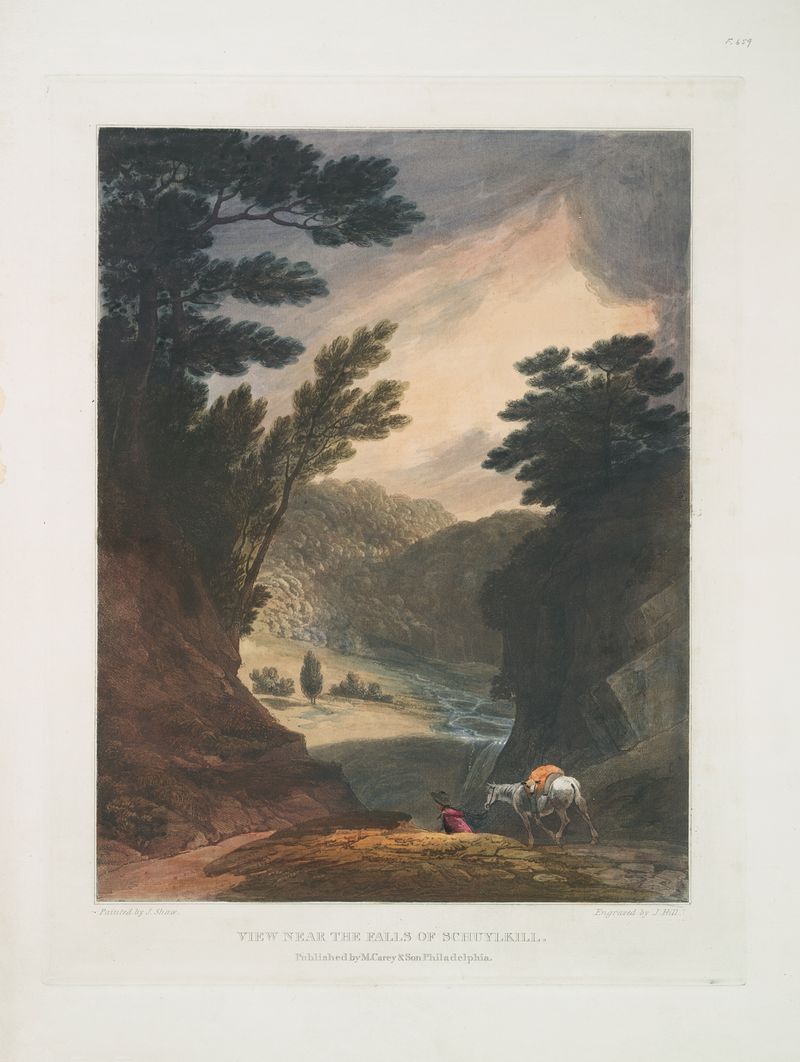
View near the Falls of Schuylkill
Joshua Shaw
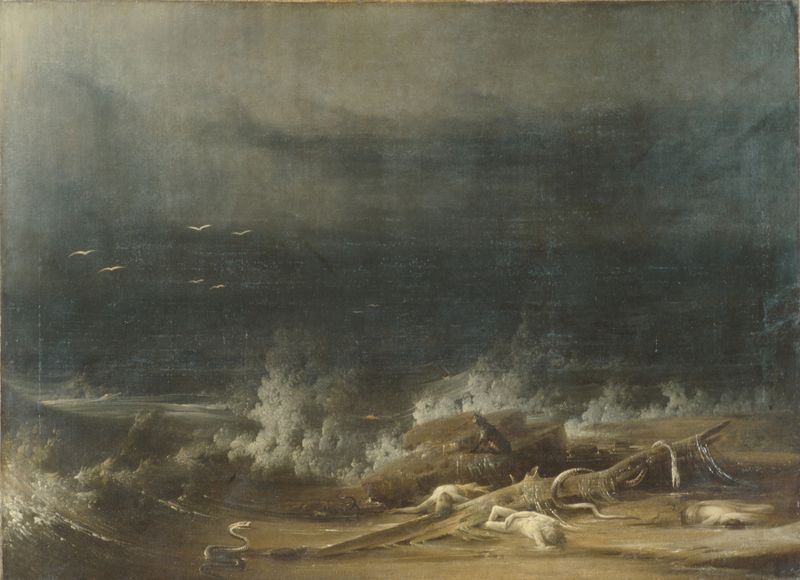
The Deluge towards Its Close
Joshua Shaw
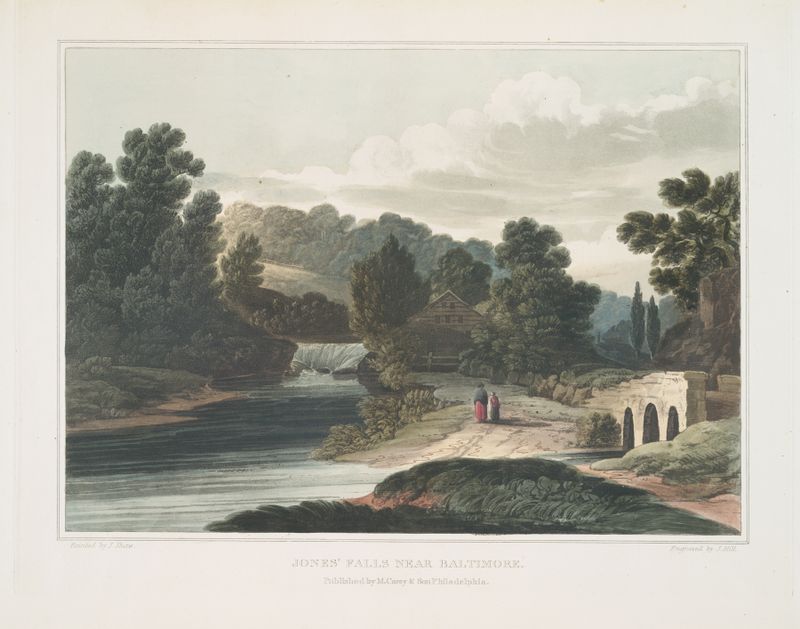
Jones’ Falls near Baltimore
Joshua Shaw
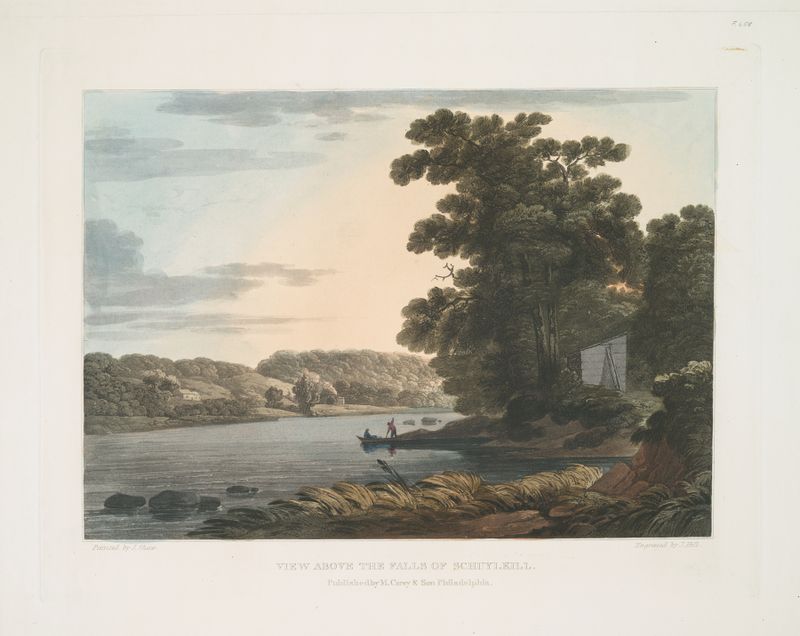
View above the Falls of Schuylkill
Joshua Shaw
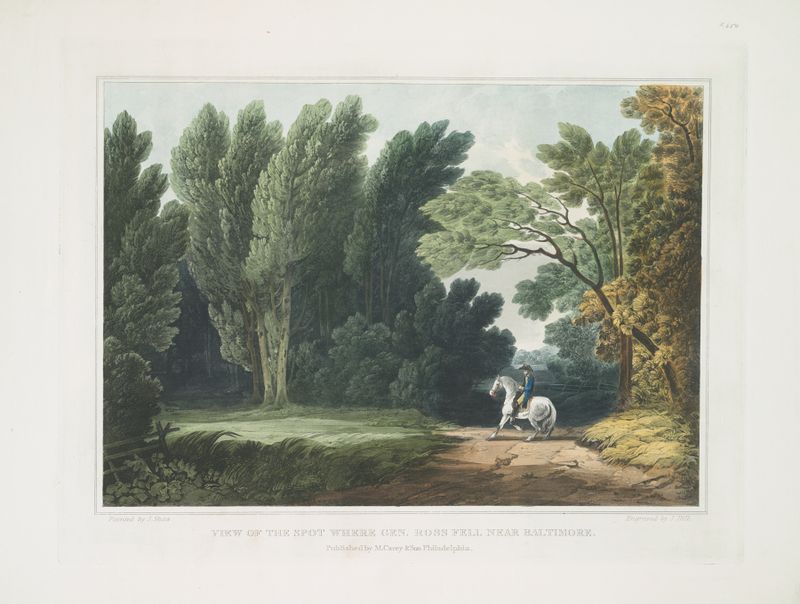
View of the spot where Gen. Ross fell near Baltimore
Joshua Shaw
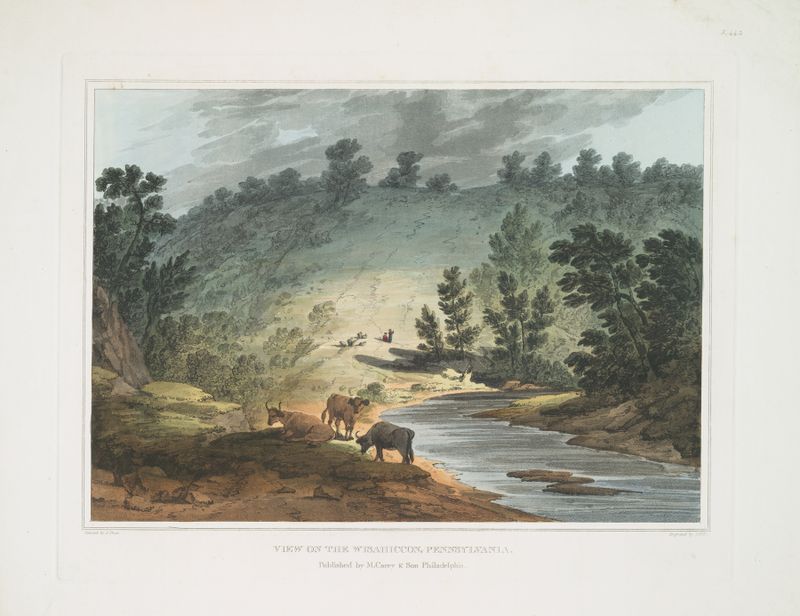
View on the Wisahiccon, Pennsylvania
Joshua Shaw
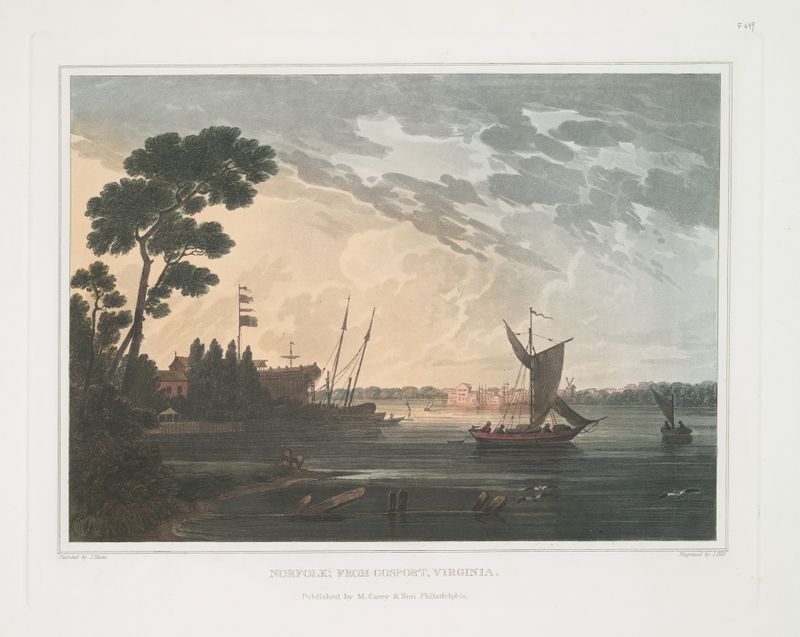
Norfolk, from Gosport, Virginia
Joshua Shaw
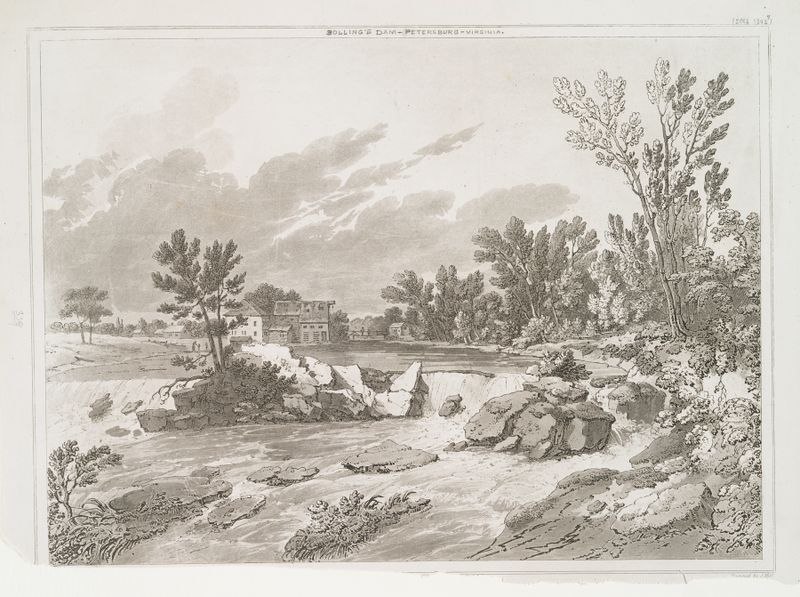
Bolling’s Dam, near Peterburgh, Virginia
Joshua Shaw
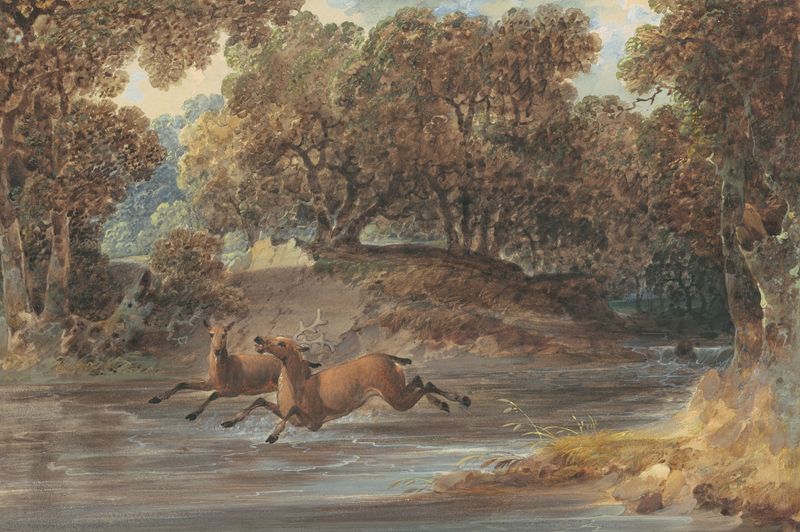
Landscape with Deer,North Carolina
Joshua Shaw
More Architecture Art
Browse all →
The statue of Liberty
Frédéric Auguste Bartholdi

View of Houses in Delft, Known as ‘The Little Street’
Johannes Vermeer

View of Houses in Delft, Known as ‘The Little Street’
Johannes Vermeer

The Cathedral in Rouen. The portal, Grey Weather
Claude Monet

The yellow house
Vincent van Gogh

The Church in Auvers-sur-Oise, View from the Chevet
Vincent van Gogh