Discover insights about this artwork
The Embroiderer — History & Facts
In The Embroiderer, we see a woman engaged in the delicate art of embroidery. The colors are soft and warm, with a palette dominated by earth tones and gentle pastels. She is seated at a table, surrounded by various sewing materials, which adds to the intimate atmosphere of the scene.
The light filtering through the window casts a gentle glow, enhancing the tranquility of the moment. The painting is executed in oil on canvas, showcasing Chardin's skill in rendering textures and details. The embroidery work appears intricate, highlighting the artist's attention to realism. The composition is balanced, with the figure positioned centrally, drawing the viewer's eye.
Chardin's brushwork is smooth, contributing to the overall softness of the piece. Jean Siméon Chardin was a prominent French painter known for his still lifes and genre scenes. This work, created around 1735, reflects the Rococo style, characterized by its focus on lightness and elegance. Interestingly, Chardin often depicted domestic life, emphasizing the beauty in everyday activities.
His ability to capture the essence of his subjects has made him a significant figure in 18th-century art.
More Artworks by Jean Siméon Chardin

The White Tablecloth
Jean Siméon Chardin
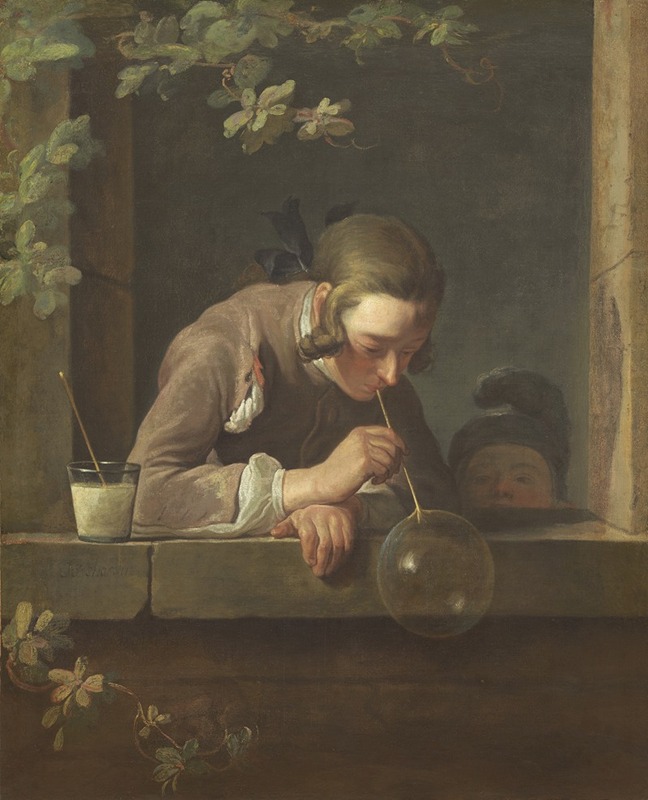
Soap Bubbles
Jean Siméon Chardin
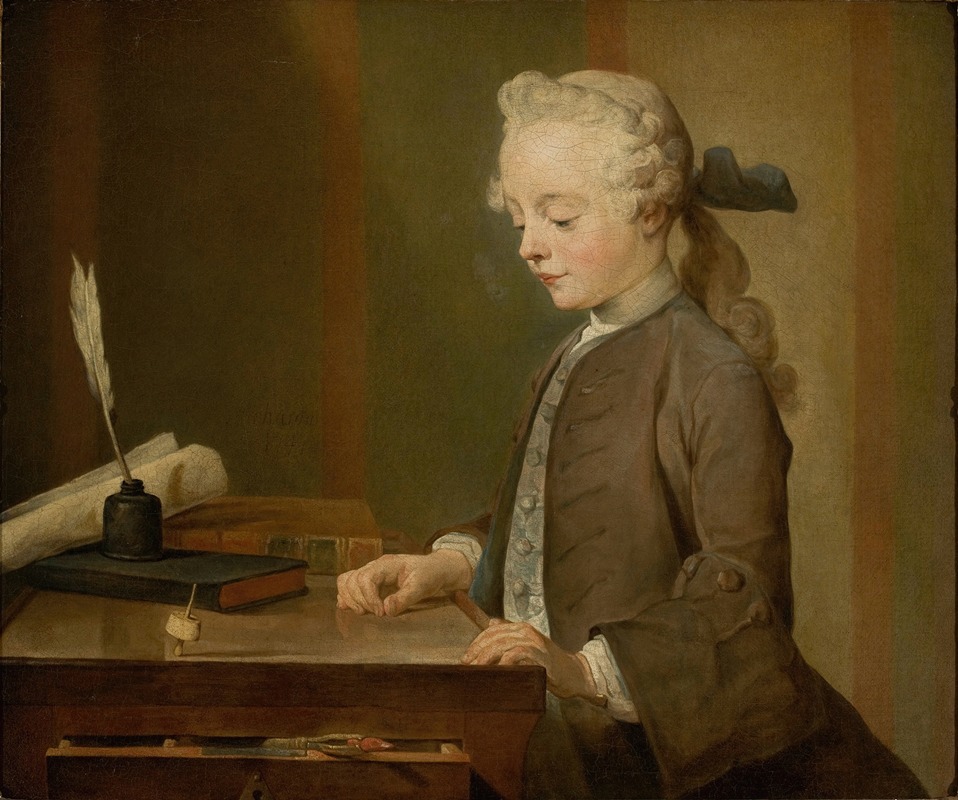
Portrait of Auguste Gabriel Godefroy
Jean Siméon Chardin
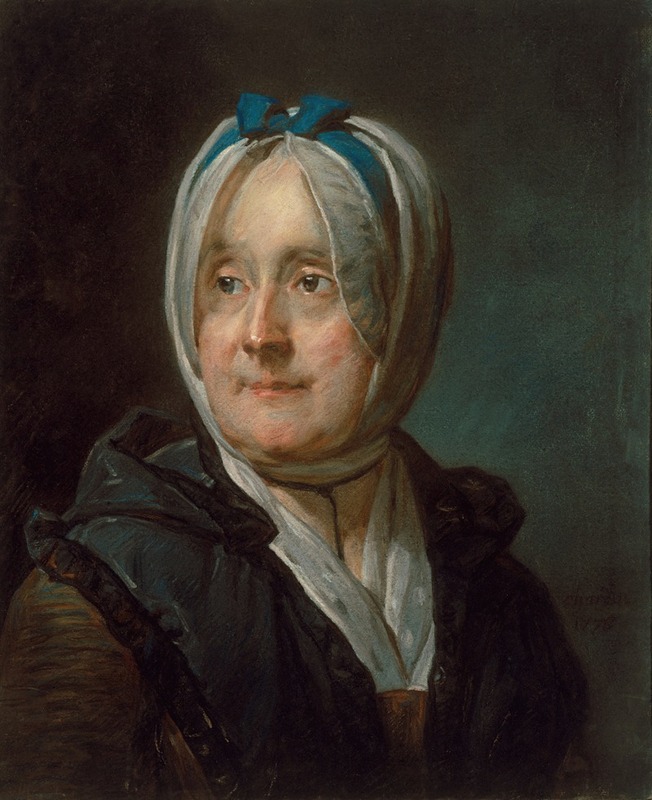
Portrait of Madame Chardin
Jean Siméon Chardin
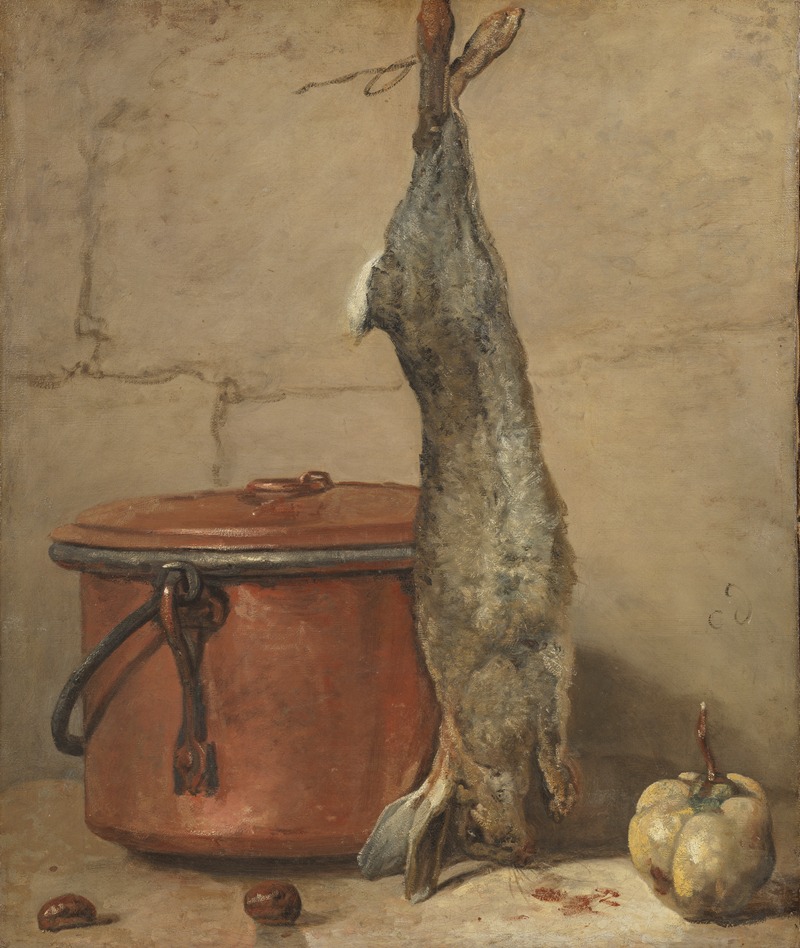
Rabbit and Copper Pot
Jean Siméon Chardin
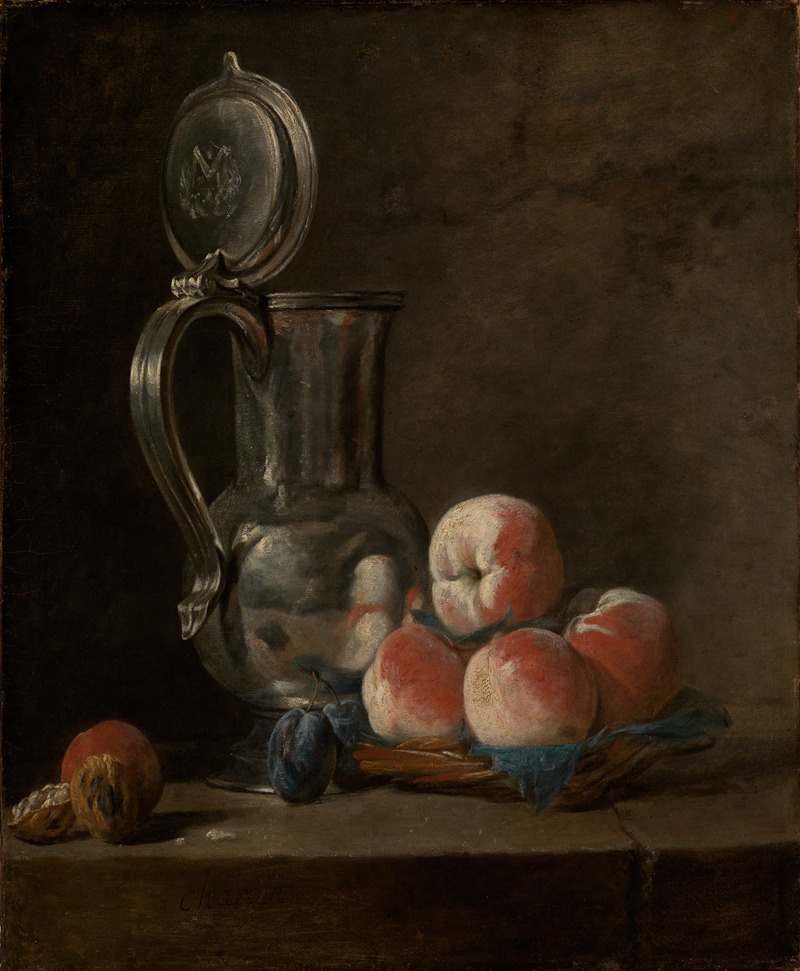
Still life with pewter jug and peaches
Jean Siméon Chardin
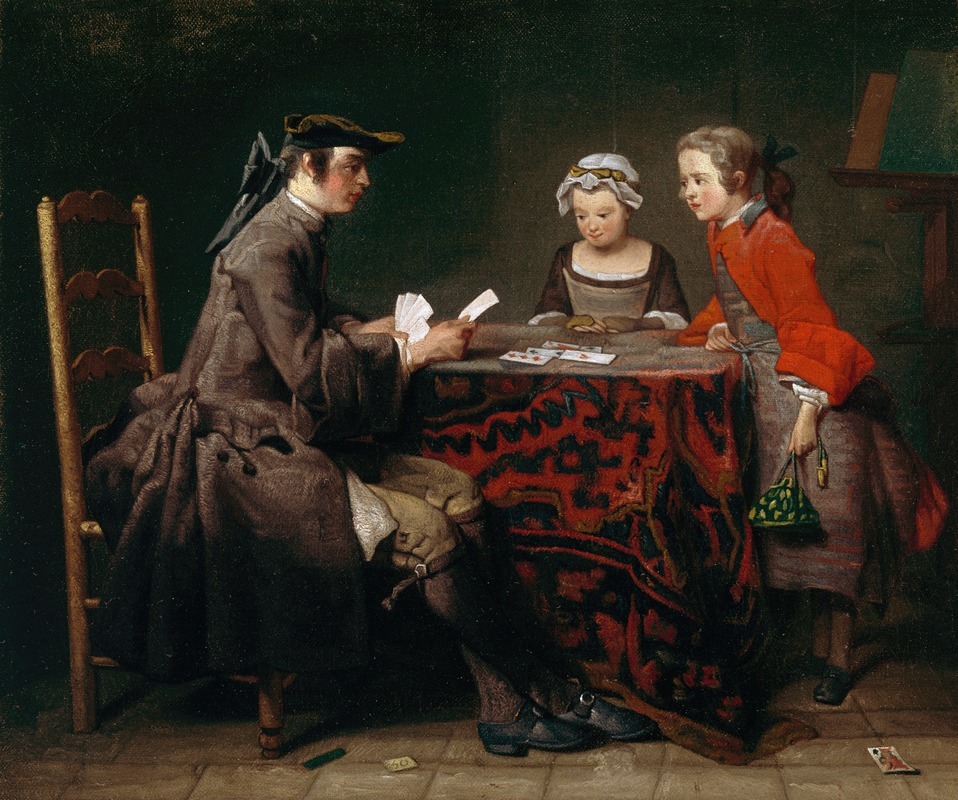
Les Tours de Cartes
Jean Siméon Chardin
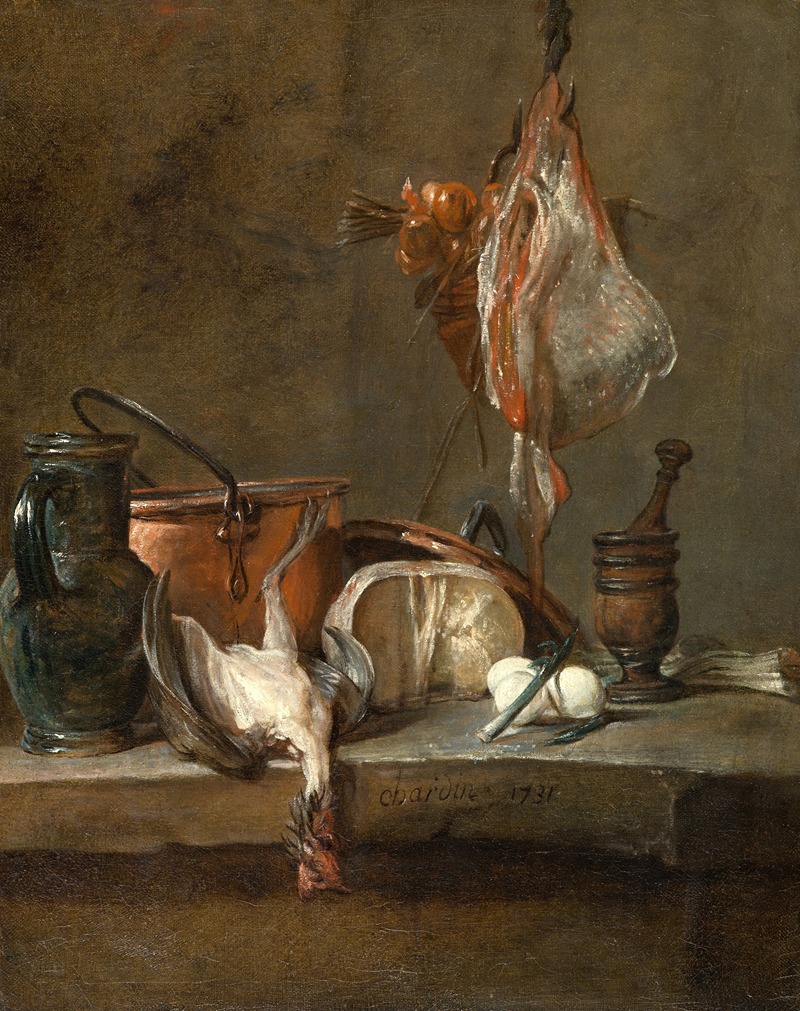
Still Life with Ray and Basket of Onions
Jean Siméon Chardin
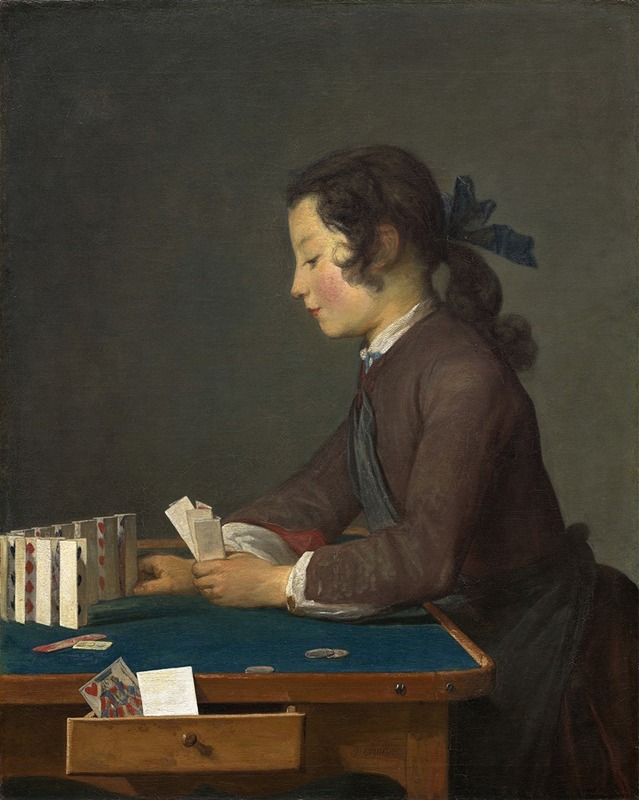
The House of Cards
Jean Siméon Chardin
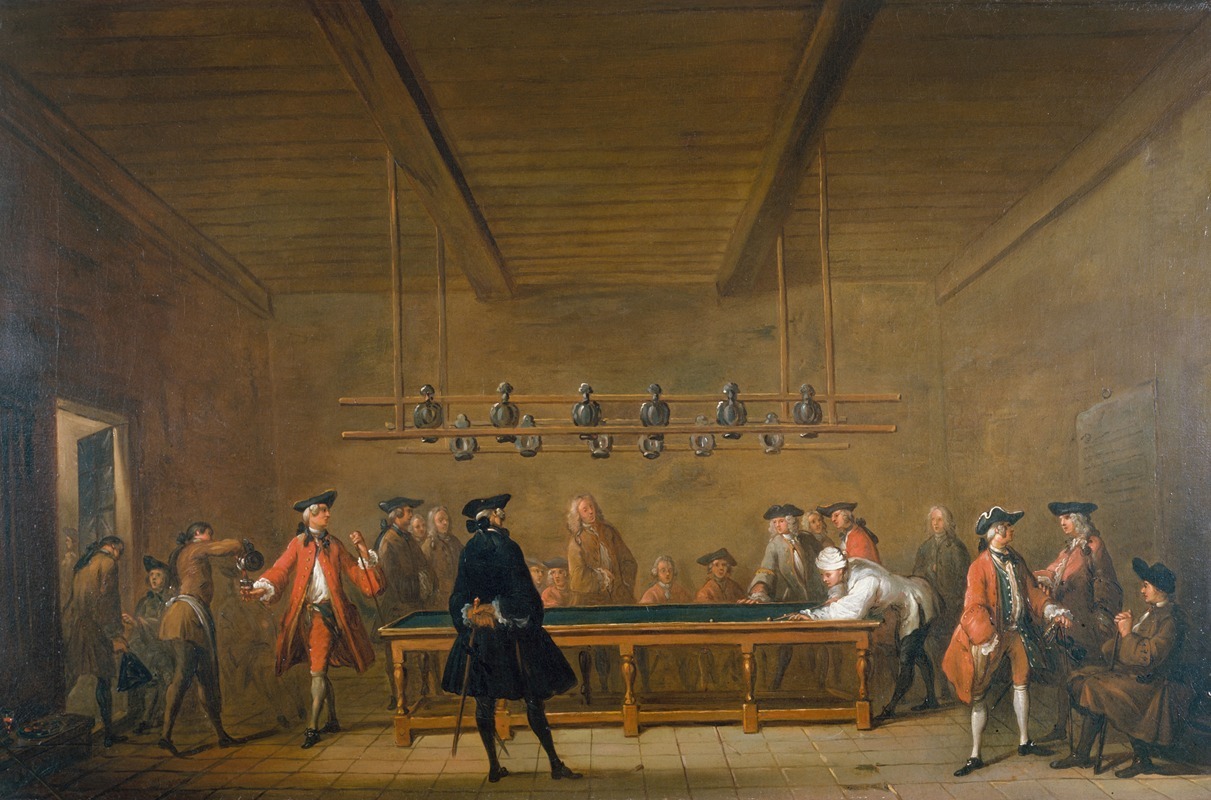
La Partie de billard
Jean Siméon Chardin