
The Entombment — History & Facts
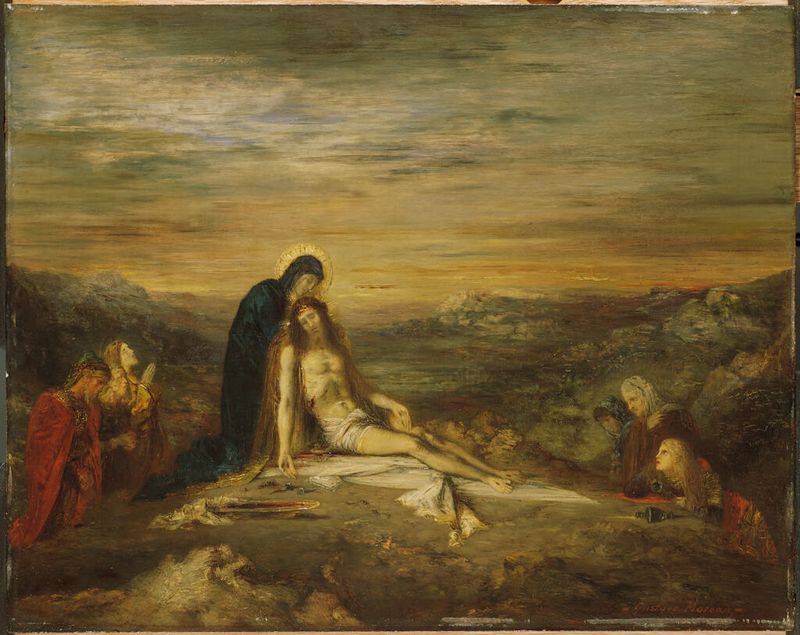
In the flicker of fading daylight, a revelation occurs – not just in the canvas but in the heart of the observer. Here, light becomes a beacon, illuminating the depth of human emotion, a silent dialogue in the face of despair. Focus first on the shimmering, ethereal illumination cascading down from the upper left, where it spills over the figures gathered in mourning. The masterful interplay of light and shadow emphasizes the solemnity of the entombment while drawing your gaze to the central figure, cradling the lifeless body.
The soft, muted tones contrast sharply with the vivid golds and deep blues that frame this poignant scene, evoking a sense of reverence and sorrow. Notice how the intricate details of the drapery and the characters’ expressions are brought to life with every brushstroke, enhancing the emotional weight of the moment. Beyond the immediate sorrow lies an exploration of faith and transience. The juxtaposition of the living against the backdrop of death invites profound contemplation on loss and legacy.
The delicate rendering of the faces reveals layers of grief and acceptance, each character a testament to shared human experiences. Moreover, the light itself acts as a metaphor for divine presence, a guiding force amidst the grief, elevating the scene beyond mere representation into the spiritual realm. In the late 1860s, while residing in Paris, Gustave Moreau produced The Entombment, influenced by Symbolism’s emergence within the art world. During this period, he was grappling with themes of mortality and spirituality, reflecting the broader cultural shifts of his time.
As the art scene began to embrace the abstract and the introspective, Moreau’s work stood at the intersection, pioneering a vision that emphasized the emotional and the ineffable.
More Artworks by Gustave Moreau
Browse all →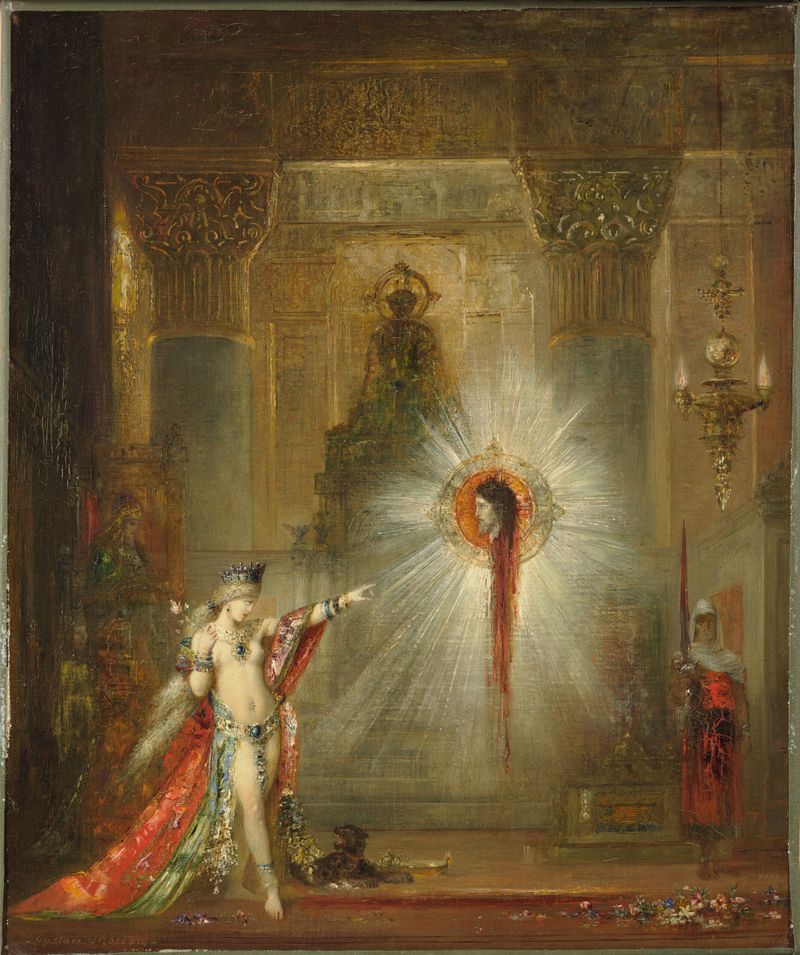
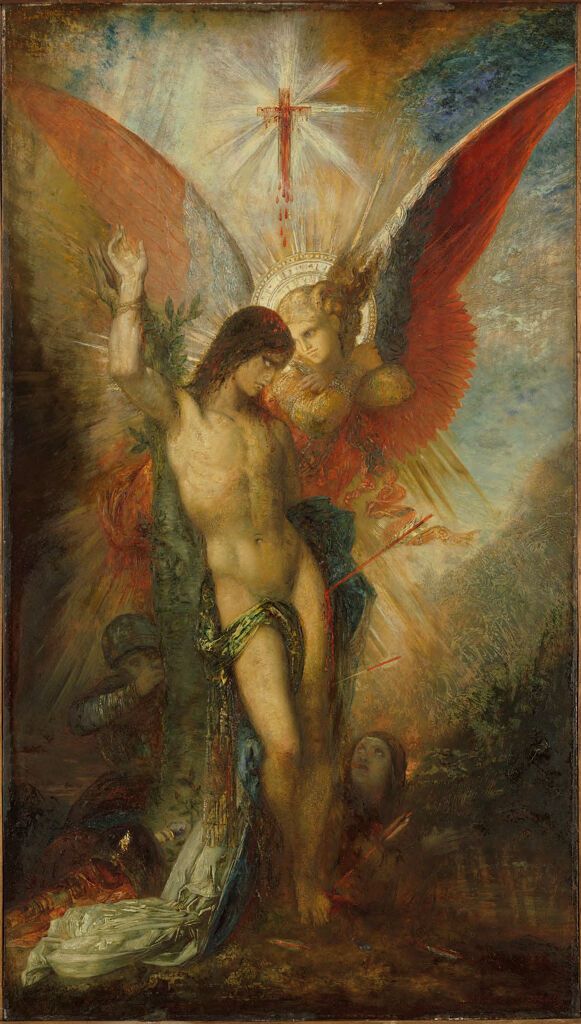
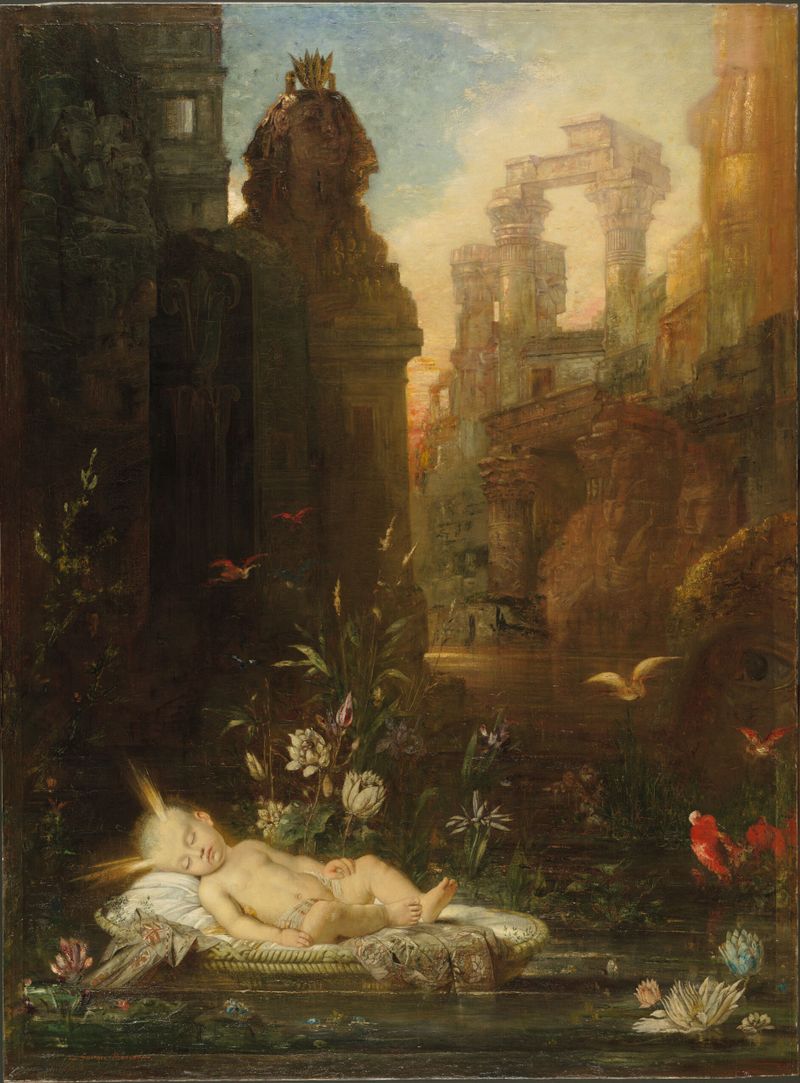
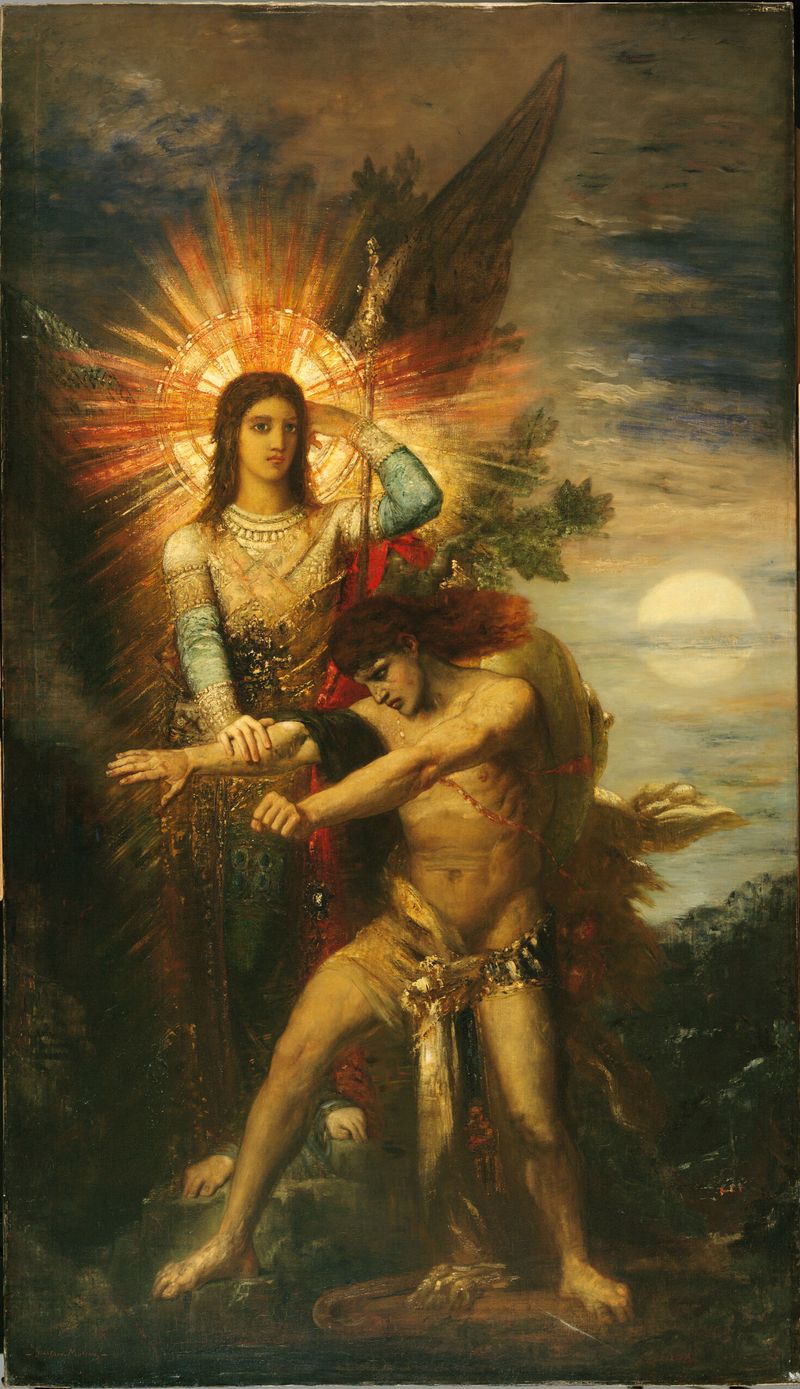

More Religious Art
Browse all →
The Return of the Prodigal Son
Rembrandt van Rijn

The Garden of Earthly Delights
El Bosco

Count Orgaz’ funeral
El Greco

The Hundred Guilder Print: the central piece with Christ preaching, the plate arched
Rembrandt van Rijn

The Descent from the Cross
Rogier van der Weyden

The return of the prodigal son
Rembrandt van Rijn