The Ferry Boat — History & Facts
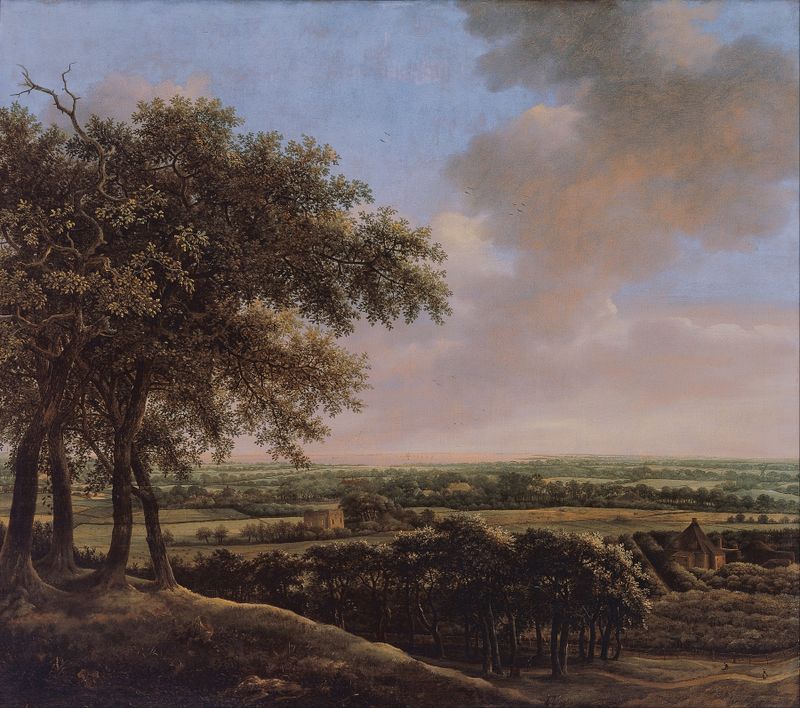
Where does light end, and longing begin? This question reverberates through every brushstroke of The Ferry Boat, revealing the delicate interplay between beauty and desire that transcends its canvas. Look to the center, where the ferry emerges from the mist, its silhouette softly illuminated by the warm glow of an unseen sun. The gentle ripples of water, painted with meticulous detail, catch the light, creating a shimmering pathway that draws the eye across the scene. Notice how the muted earth tones of the boat contrast with the vibrant hues of the horizon, suggesting both the tranquility of the journey and the anticipation of what lies beyond. At first glance, the painting captures a serene moment, yet beneath the surface lies a profound emotional tension.
The figures aboard the ferry, seemingly calm, harbor unspoken stories of yearning and hope as they navigate the waters. The interplay of light and shadow not only enhances the visual beauty but also symbolizes the duality of existence—the known and the unknown, the present and the desired future. Each detail invites the viewer to contemplate their own journey, echoing the universal theme of longing that weaves through human experience. In 1655, Jan Lagoor created this work during a period of artistic innovation in the Netherlands, where landscapes and genre scenes flourished.
As the art world began to embrace realism and emotional depth, Lagoor’s approach to light and atmosphere paved the way for future generations. He was influenced by the burgeoning interest in capturing the fleeting moments of life, positioning his own experience within the broader currents of 17th-century art.