
The Final Resignation of Prejudices — History & Facts
In The Final Resignation of Prejudices, Robert Smirke uses a palette of muted earth tones and soft pastels. The composition features a central figure, possibly representing society, surrounded by various allegorical figures. These figures embody different prejudices, depicted through their expressions and postures.
The setting appears to be a dreamlike landscape, enhancing the painting's allegorical nature. The painting is executed in oil on canvas, a medium that allows for rich texture and depth. Viewers can observe Smirke's technique of layering colors to create dimension and movement. The figures are rendered with attention to detail, showcasing Smirke's skill in portraying human emotion.
The overall size of the painting is approximately 90 x 120 cm, making it a significant piece for display. Robert Smirke was known for his allegorical works, often addressing social issues of his time. The Final Resignation of Prejudices reflects the growing awareness of societal biases in the early 19th century. An interesting fact about this work is that it was commissioned for a public exhibition, aiming to provoke thought and discussion among viewers.
Smirke's ability to blend narrative with visual art makes this piece noteworthy in his oeuvre.
More Artworks by Robert Smirke

Hotspur and the Plotters at Bangor
Robert Smirke
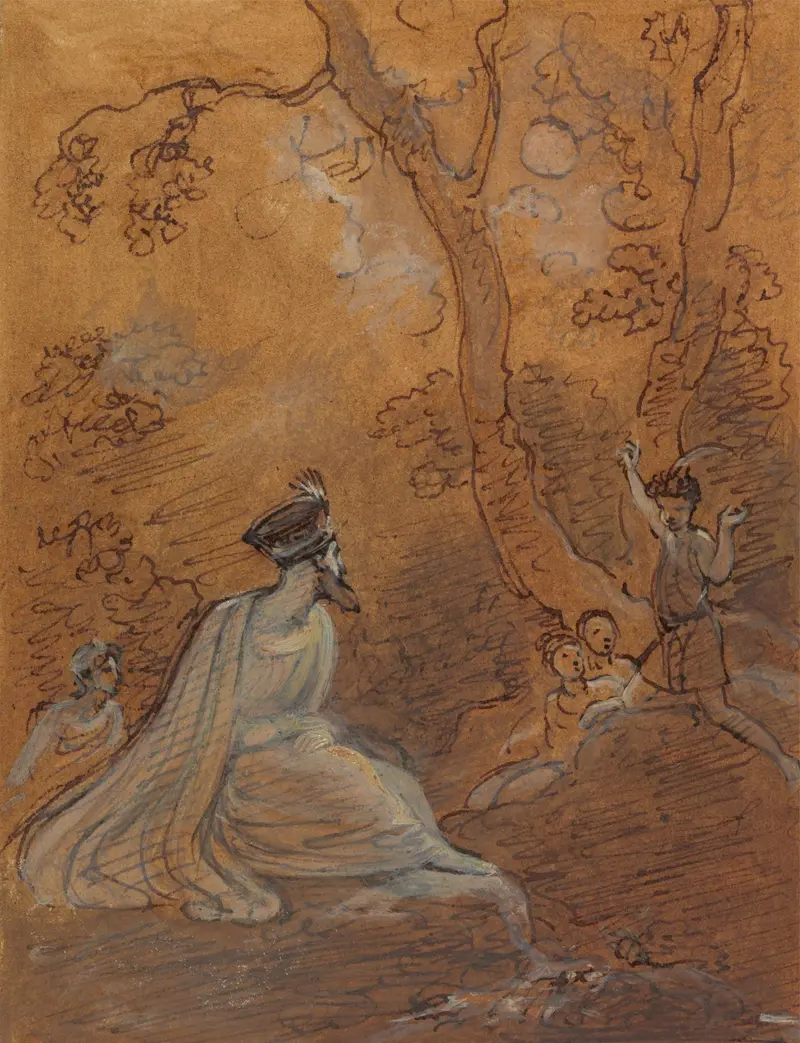
Oberon and Puck
Robert Smirke
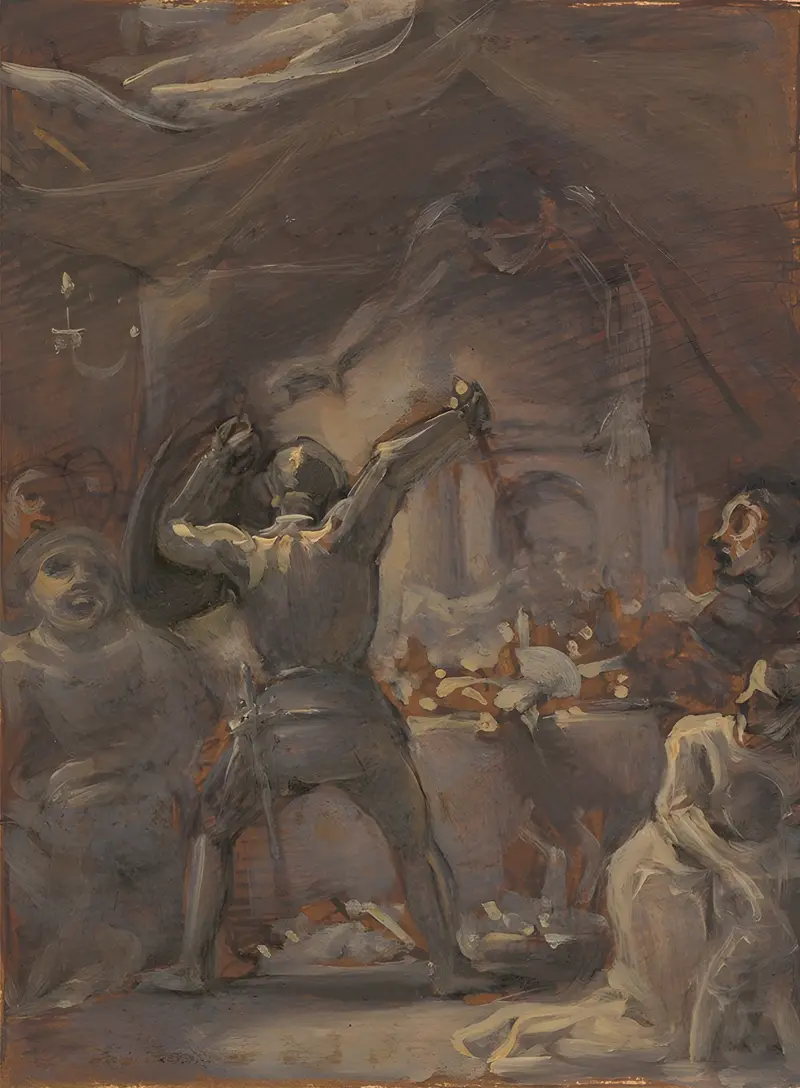
One from Illustrations to Shakespeare
Robert Smirke
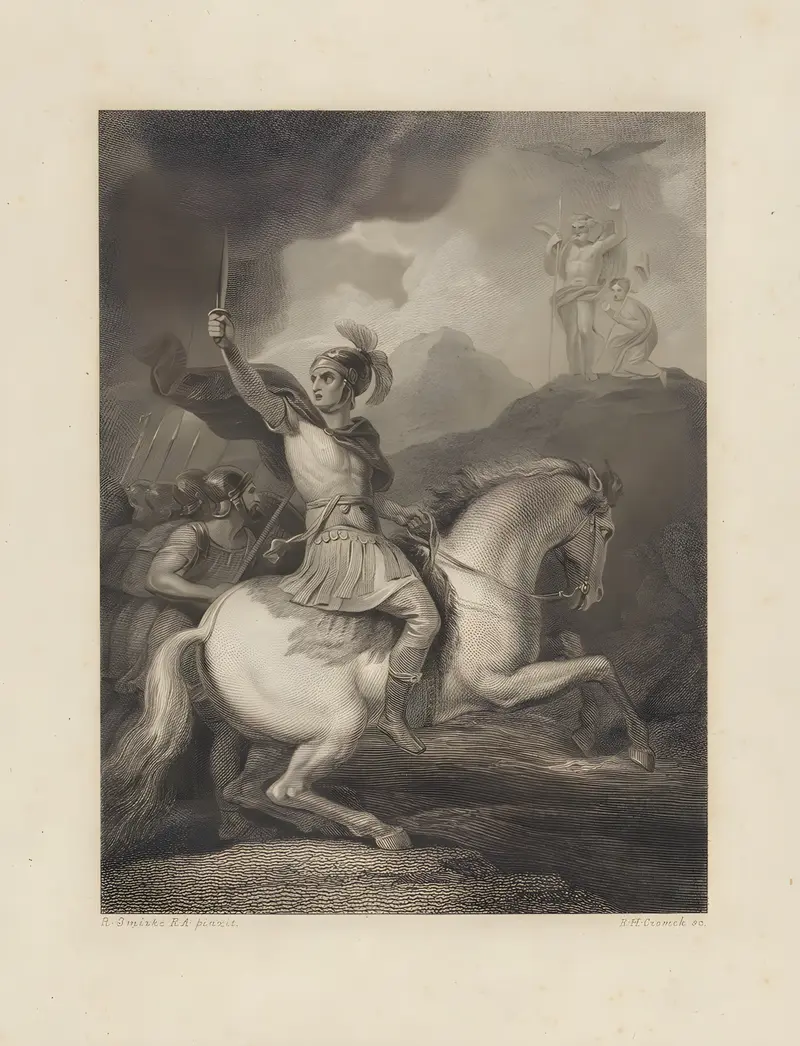
Cesar Passing the Rubicon
Robert Smirke
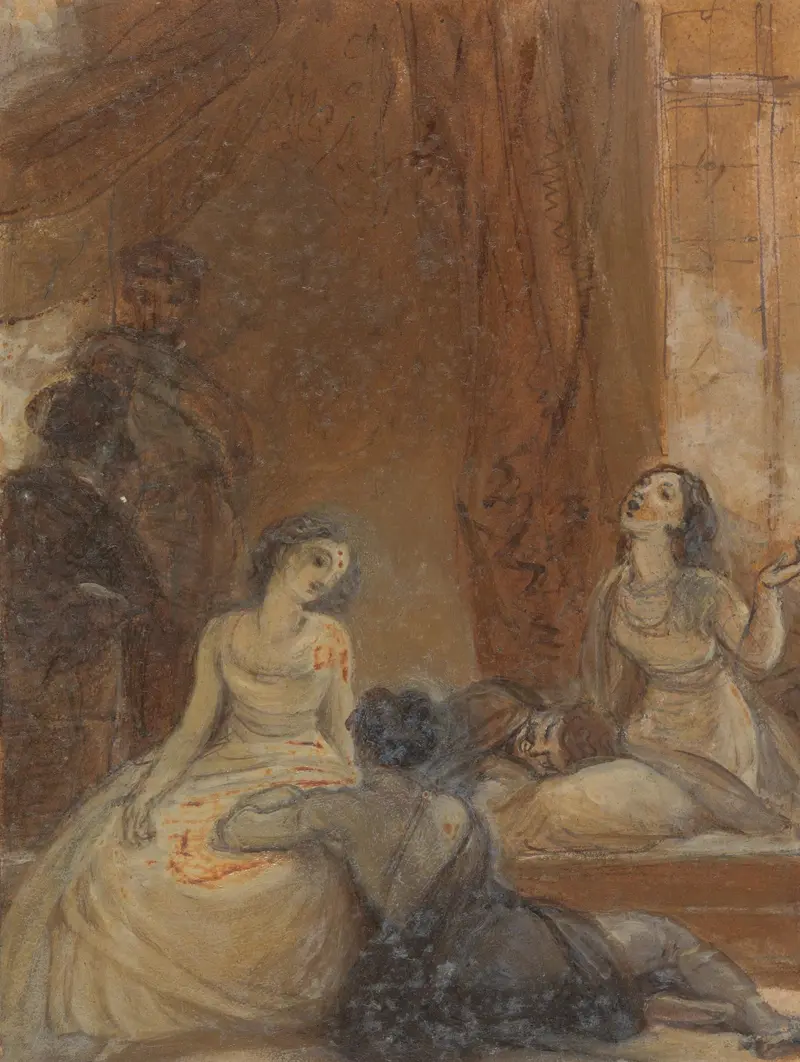
Lady Mortimer’s Welsh Song
Robert Smirke
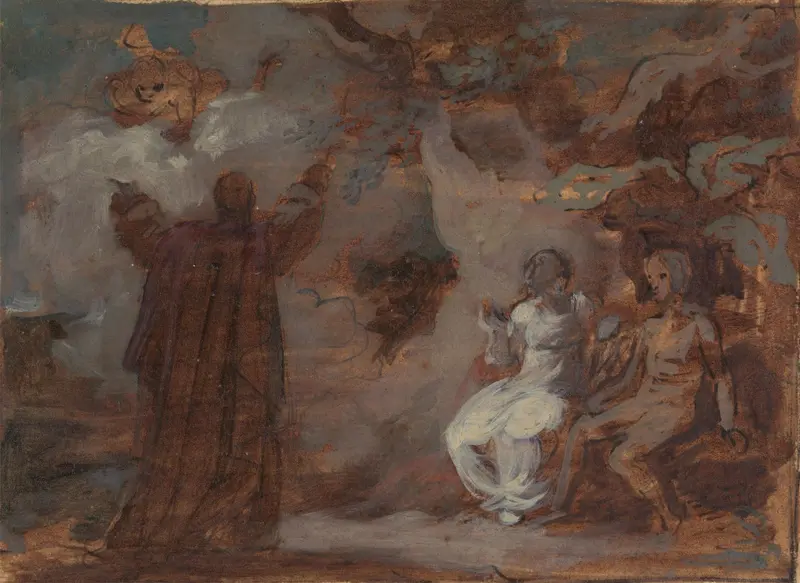
Prospero Conjuring a Masque for Ferdinand and Miranda
Robert Smirke

Master William Page and Sir Hugh Evans
Robert Smirke
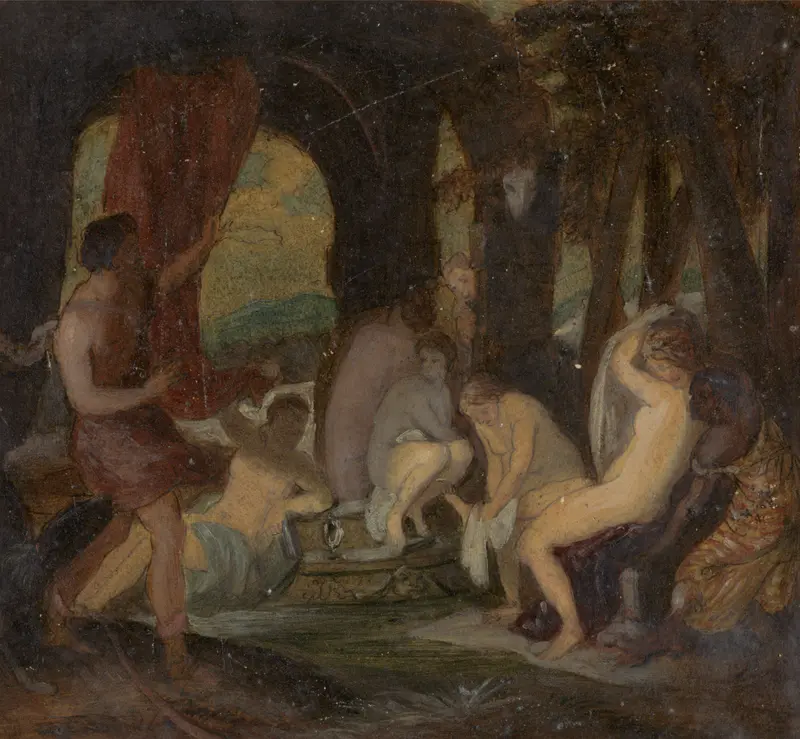
Diana and Actaeon
Robert Smirke
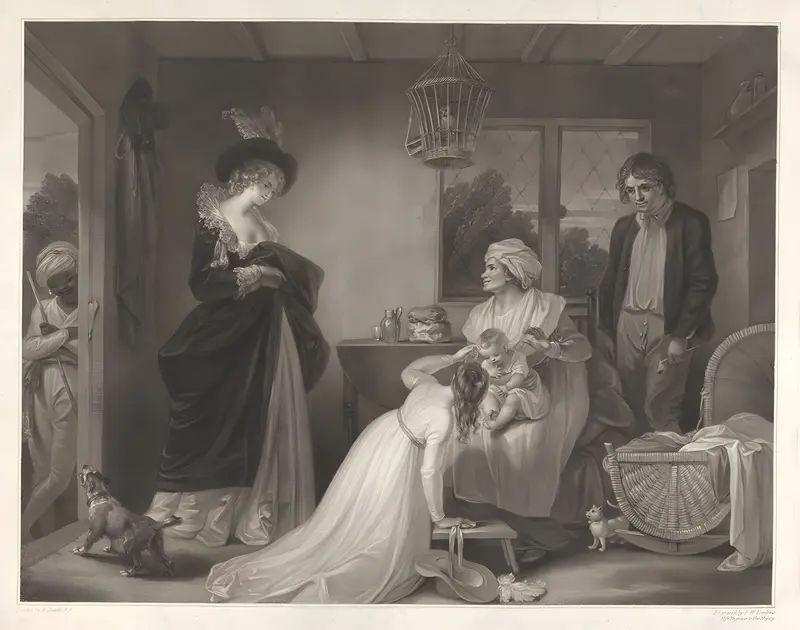
As You Like It; Act II, Scene VII; The Seven Ages Man (First Age)
Robert Smirke

As You Like It; Act II, Scene VII; The Seven Ages Man (Third Age)
Robert Smirke





