
‘The Finish’ : (1) General (2) Dearest Mae (3) Ploughboy — History & Facts
What secret hides in the quiet of the canvas? In a world brimming with noise and chaos, silence often speaks the loudest. Focus on the central figure, the young ploughboy, standing resolute against an expansive, tranquil landscape. His earthy attire blends harmoniously with the rich browns and greens of the field, while the soft, golden hues of a setting sun illuminate his face, casting gentle shadows that embody both strength and vulnerability. Notice how the artist masterfully uses light to guide the viewer’s gaze, creating a sense of depth and inviting contemplation of the boy’s inner world. The contrast between the boy’s stillness and the dynamic strokes of grass surrounding him speaks volumes.
In this moment of pause, there’s a palpable tension between aspiration and reality, as well as a deep connection to the earth, echoing themes of labor and youth. The subtle details—a tucked shirt, a clenched fist—suggest both determination and a yearning for freedom. This delicate balance invites viewers to reflect on their own journeys, revealing layers of emotional complexity beneath the surface. Charles Denton painted The Finish in 1853, during a time of great change in the art world, marked by the rise of romanticism and a focus on individual experience.
Living in England, he was influenced by the pastoral landscapes and rural life surrounding him, which fueled his desire to depict the nobility of simple labor. This work is a testament to his skill in capturing the essence of human emotion against the backdrop of nature's beauty, reinforcing the significance of silence in revealing the depths of the human spirit.
More Artworks by Charles Denton
Browse all →
Abergavenny Steeple Chase: ‘Taking the Brook’ : Dearest Mae, The Nun, Pontiff, General, Physician, Thurgarton, Ploughboy
Charles Denton

Abergavenny Steeple Chase: ‘Taking the Wall’ : Pontiff, General, Thurgarton, Dearest Mae, Ploughboy
Charles Denton
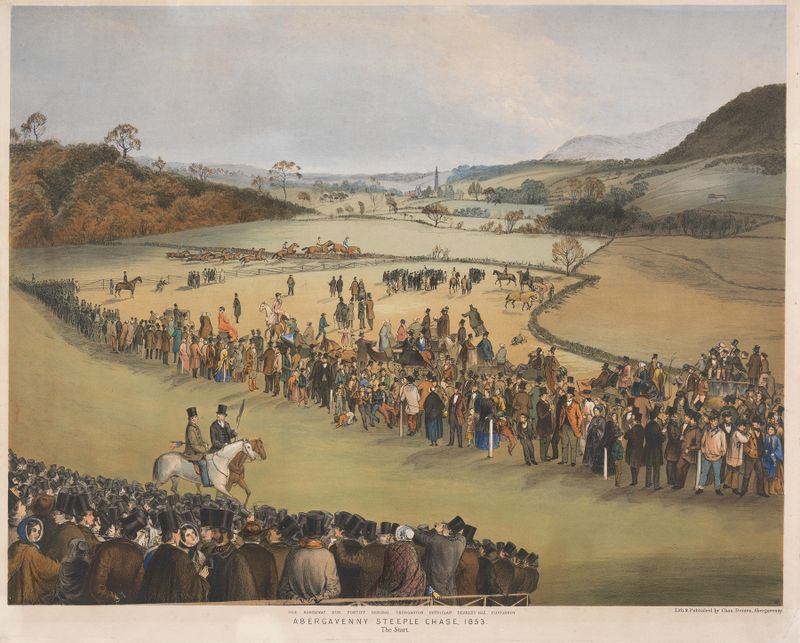
Abergavenny Steeple Chase: The Start : Doe, Harkaway, Nun, Pontiff, General, Thurgarton, Physician, Dearest Mae, Ploughboy
Charles Denton





