
The Fisherman’s Home On The Beach — History & Facts
Who listens when art speaks of silence? In The Fisherman’s Home On The Beach, emptiness is not mere absence but a profound presence that evokes reflection and contemplation. Look to the left at the weathered hut, its rustic wood suggesting years of stories wrapped in the grain. The muted colors, where browns and soft blues intermingle, announce the fading light of dusk that blankets the scene in tranquility. Notice how the horizon melts into the sea, blurring boundaries between land and water, inviting the viewer to linger in this gentle embrace of nature.
Each brushstroke reveals the artist's meticulous attention to the elements, transforming the canvas into a tactile experience that speaks volumes. In the stillness, the contrasts of life and solitude emerge. The retreating tide suggests both the end of a day’s toil and the anticipation of a new dawn, encapsulating the cyclical nature of existence. The fisherman, absent yet omnipresent, hints at stories of labor and longing, while the empty beach echoes the weight of absence; it serves as a reminder of the quiet moments that shape our lives.
This duality of presence and absence creates emotional tension, inviting viewers to reflect on the connections that define us. During an uncertain period in the late 19th century, Konstantinos Volanakis painted this work, likely in Greece, amidst a changing artistic landscape. As a leading figure in marine painting, he navigated both traditional techniques and the evolving movements of realism, searching for ways to capture the soul of the sea and its silent witnesses. His exploration in this piece marks a significant moment in his career, reflecting his commitment to portraying the intimate relationship between humanity and nature.
More Artworks by Konstantinos Volanakis
Browse all →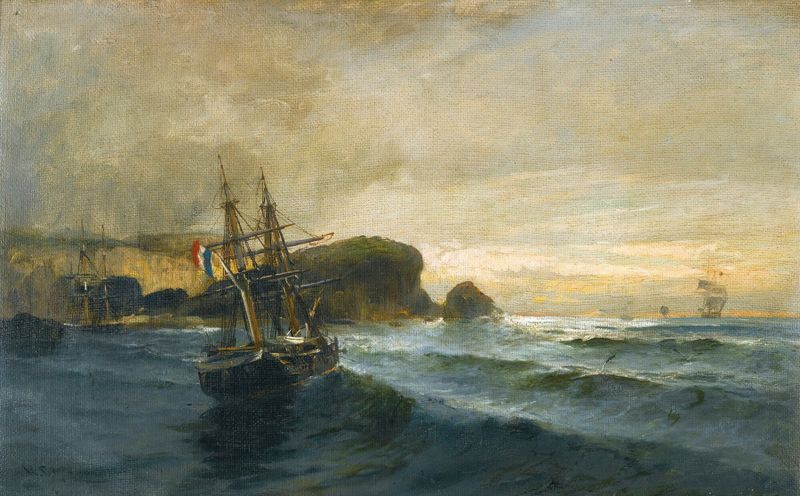
Along The Shore
Konstantinos Volanakis
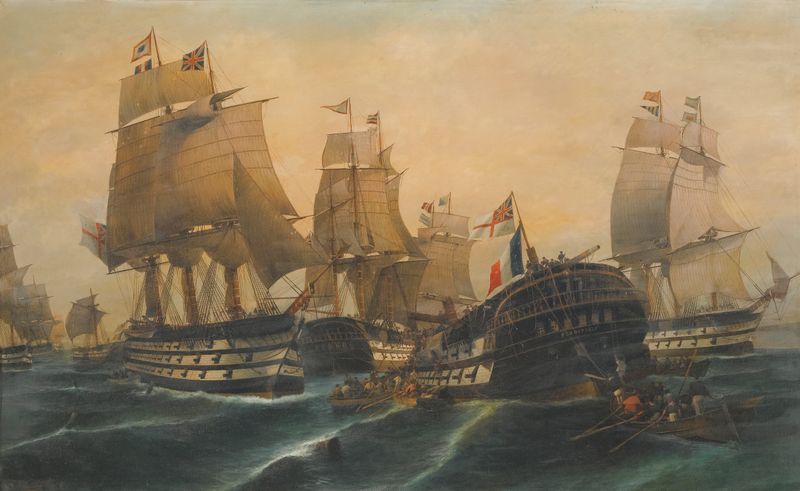
The Battle Of Trafalgar
Konstantinos Volanakis
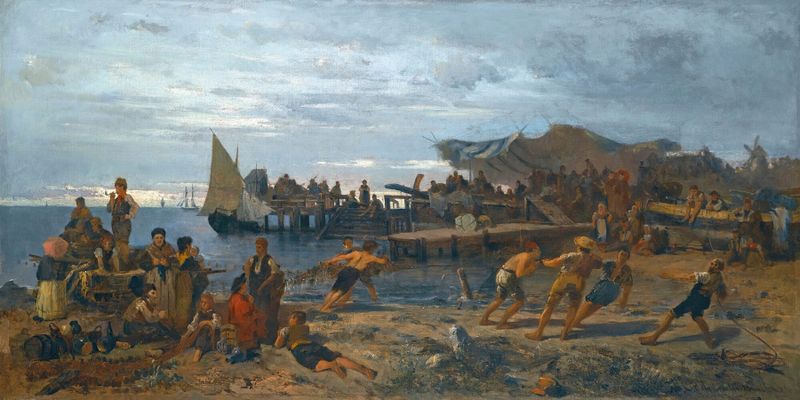
A Bustling Shore
Konstantinos Volanakis
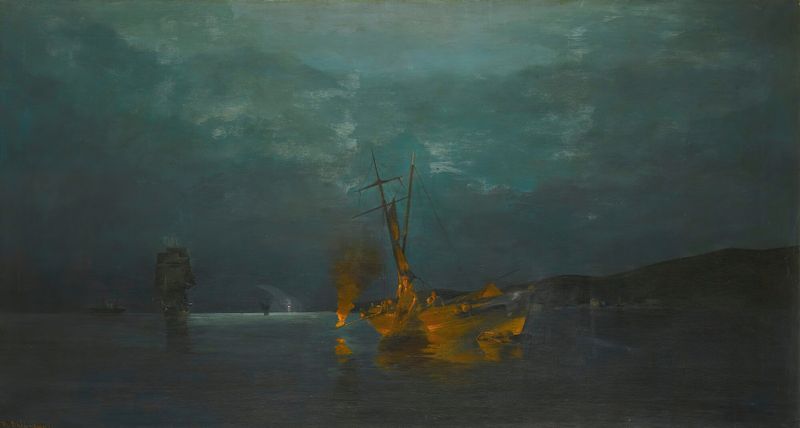
Pyrophani – Firefishing
Konstantinos Volanakis
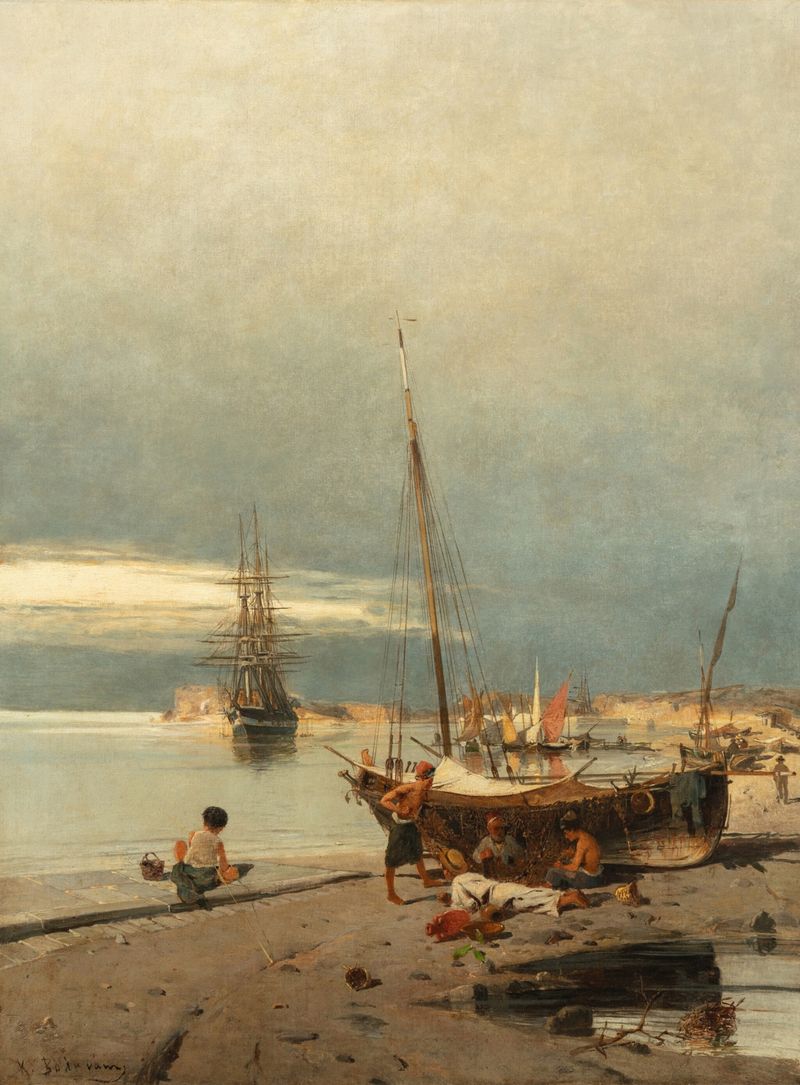
A Greek harbor
Konstantinos Volanakis
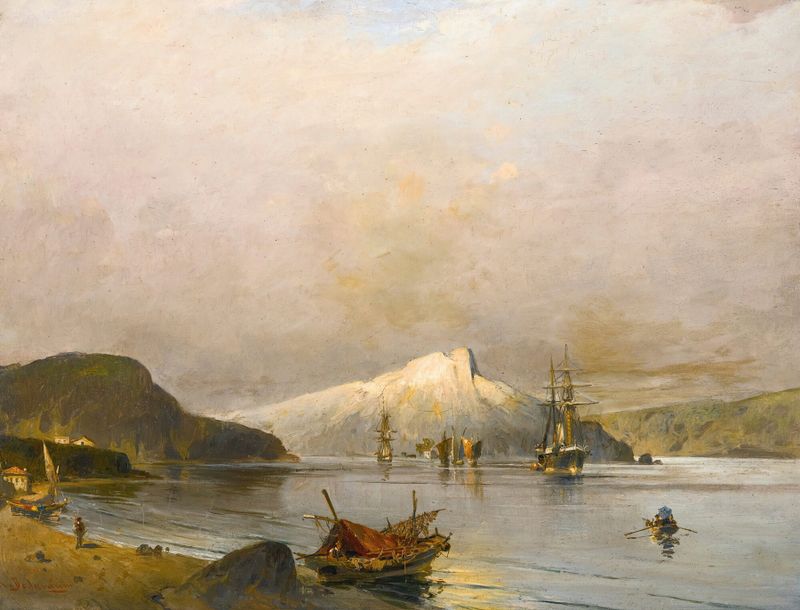
A coastal bay
Konstantinos Volanakis
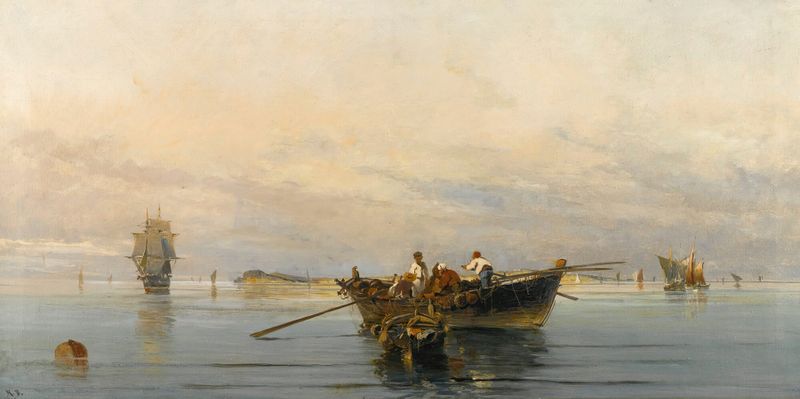
On calm waters
Konstantinos Volanakis
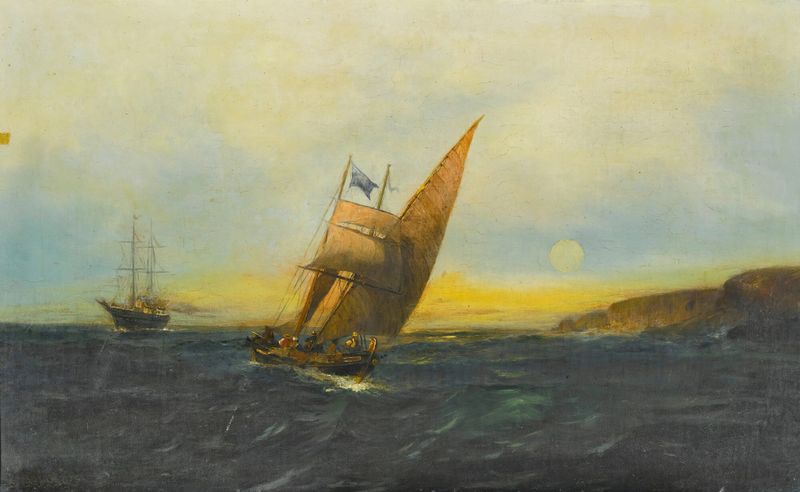
Sailing off the coast
Konstantinos Volanakis
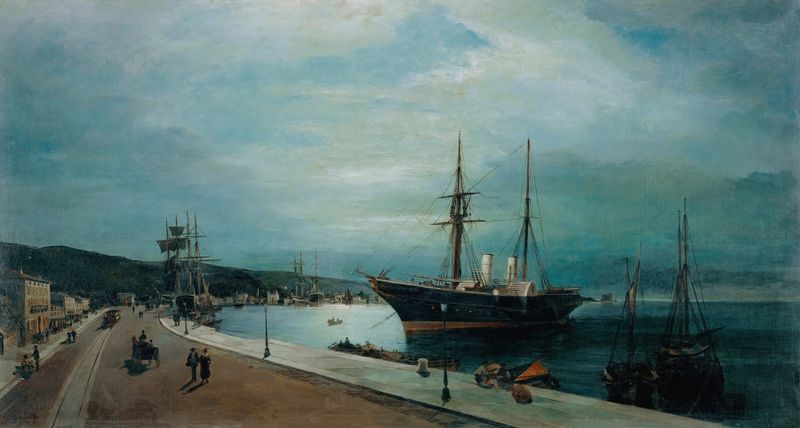
Moonlit Harbour Of Volos
Konstantinos Volanakis
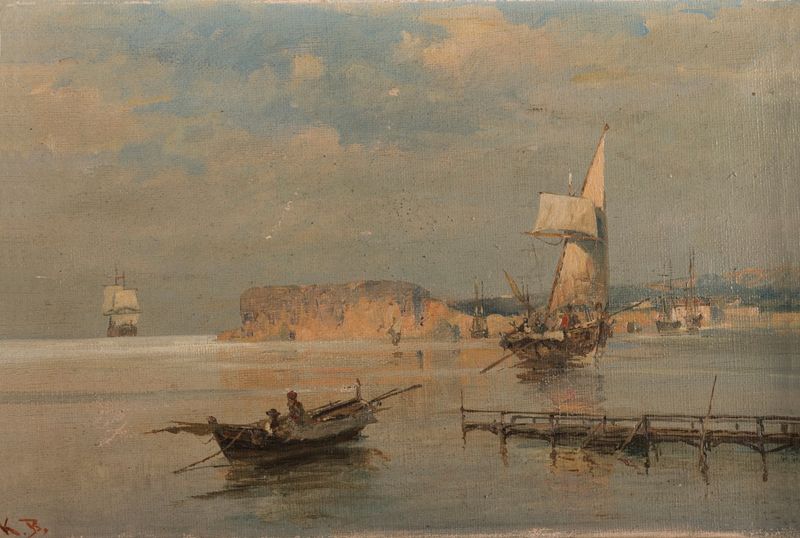
Boats In A Port
Konstantinos Volanakis





