
The Five Rivers Plains and the course of River Oreti, Southland — History & Facts
Who listens when art speaks of silence? In The Five Rivers Plains and the course of River Oreti, a tapestry of destiny unfolds across a vast landscape, inviting viewers to ponder the passage of time and the forces that shape our lives. Look to the foreground, where the gentle flow of the River Oreti meanders through the lush plains. Notice how the artist orchestrates a symphony of greens and browns, each brushstroke breathing life into the rolling hills and tranquil waterways. The sunlight bathes the scene, casting intricate shadows that guide the eyes across the canvas, leading toward the distant mountains that stand as silent sentinels.
Chevalier’s technique captures not just the essence of the land, but the sublime stillness that envelops it. Hidden beneath the surface, the interplay of light and shadow suggests the duality of nature—its serene beauty and the inevitable passage of time. The winding river, a metaphor for the journey of life, contrasts with the solid, immovable mountains, prompting contemplation of human aspirations versus nature’s unyielding presence. The colors evoke a sense of nostalgia, whispering of past destinies waiting to be discovered amidst the tranquility. In 1866, Chevalier painted this work during a transformative period in New Zealand's history, as European settlers began to reshape the landscape.
Living in Dunedin, he found inspiration in the untouched beauty around him, capturing both the allure and fragility of nature as it faced the tides of change. This painting reflects not only the artist’s connection to the land but also the broader cultural shifts occurring during an era of exploration and colonization.
More Artworks by Nicholas Chevalier
Browse all →
Coast near Dunedin
Nicholas Chevalier
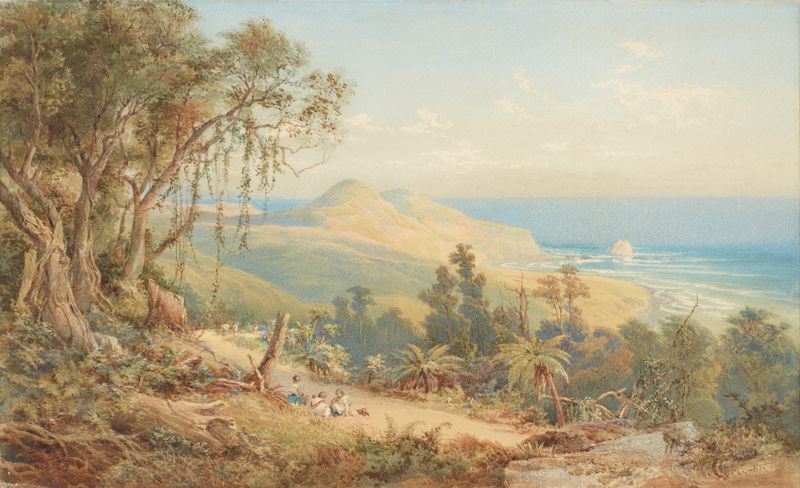
Sandfly Bay, Otago
Nicholas Chevalier

Buckler Burn at the head of Wakatipu Lake
Nicholas Chevalier

Mr MacKellar’s Station, the Waimea Plains, Southland
Nicholas Chevalier
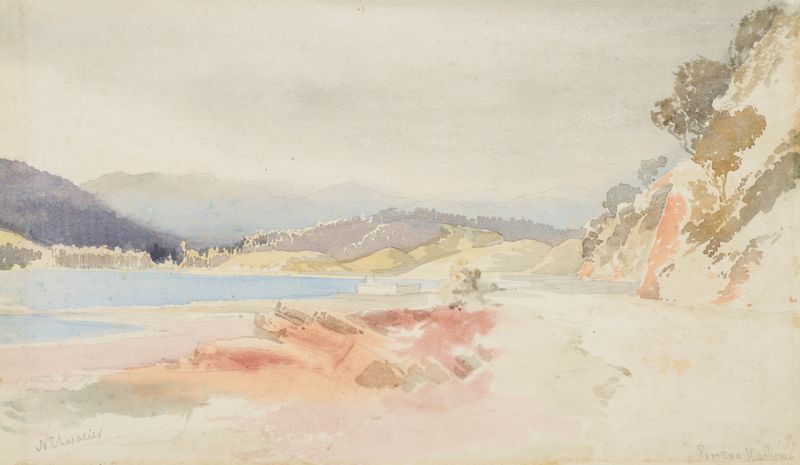
Porirua Harbour
Nicholas Chevalier
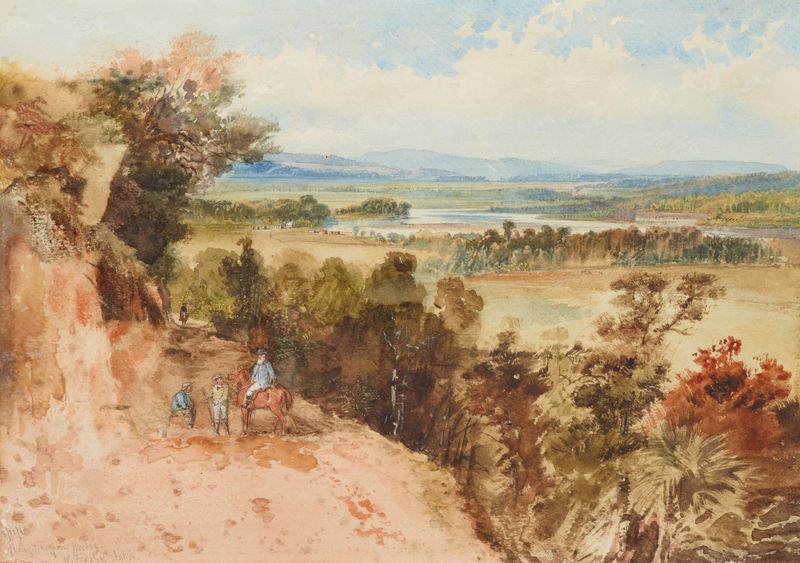
Rangitikei from Westoe, W. Fox Esq’s Station
Nicholas Chevalier

The Upper Rangitikei
Nicholas Chevalier
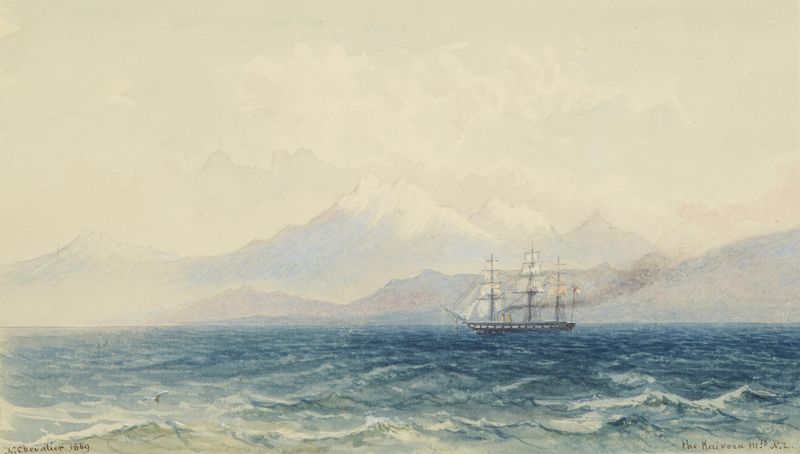
The Kaikoura Mountains, N.Z.
Nicholas Chevalier

Upper Hutt Valley
Nicholas Chevalier

The Tararua Mountains and the Waipoua River
Nicholas Chevalier





