
The Fountain Of The Sweet Waters Of Asia, On The Bosphorus — History & Facts
In its stillness, it reveals the fragility of beauty, inviting us to ponder what lies beneath its serene surface. Look closely at the central fountain, where water cascades gently over intricately carved stone. The azure hues of the water contrast sharply with the warm earth tones of the surrounding architecture, drawing your gaze inward to the delicate interplay of light and shadow. Notice how the artist captures the shimmering reflections on the water’s surface, evoking a sense of movement even in stillness.
This composition, framed by lush greenery, creates a sanctuary that beckons with a promise of tranquility. Yet beneath this calm exterior lies an undercurrent of transient beauty. The fountain, a symbol of nature’s gift, also reminds us of the impermanence of life. The gentle ripples in the water reveal the delicate balance between stability and change.
The vibrant colors, while alluring, evoke a fleeting moment, urging viewers to appreciate what is often overlooked — the fragility of existence itself. Created during a period of aesthetic exploration in the late 19th century, the artist found inspiration in the romanticized views of the East. Working in Italy, Corrodi was immersed in a world where orientalism mingled with emerging modernity. It was a time when Western artists were captivated by the allure of distant lands, yet the artist’s brush sought to capture not just the beauty, but also the transitory essence of these landscapes, reflecting both the excitement and melancholy of an era in flux.
More Artworks by Hermann David Salomon Corrodi
Browse all →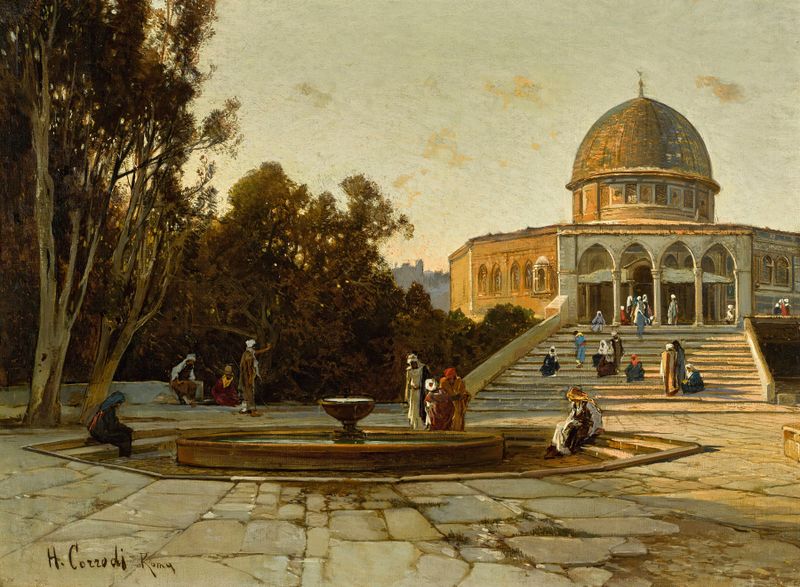
The Dome Of The Rock, Jerusalem
Hermann David Salomon Corrodi

The Galata Bridge, Constantinople
Hermann David Salomon Corrodi
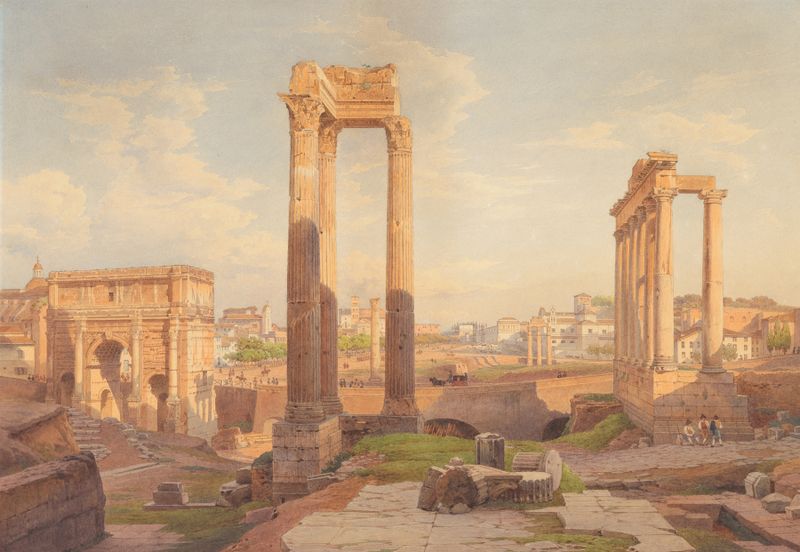
Forum Romanum
Hermann David Salomon Corrodi
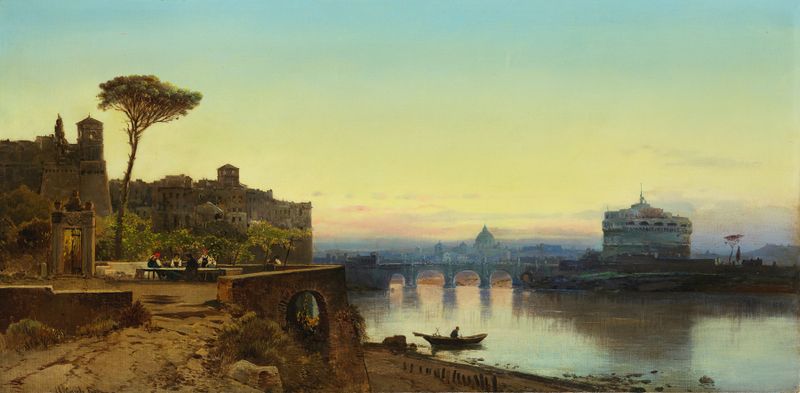
Blick über den Tiber auf die Engelsburg
Hermann David Salomon Corrodi

Prayer Before Jerusalem
Hermann David Salomon Corrodi
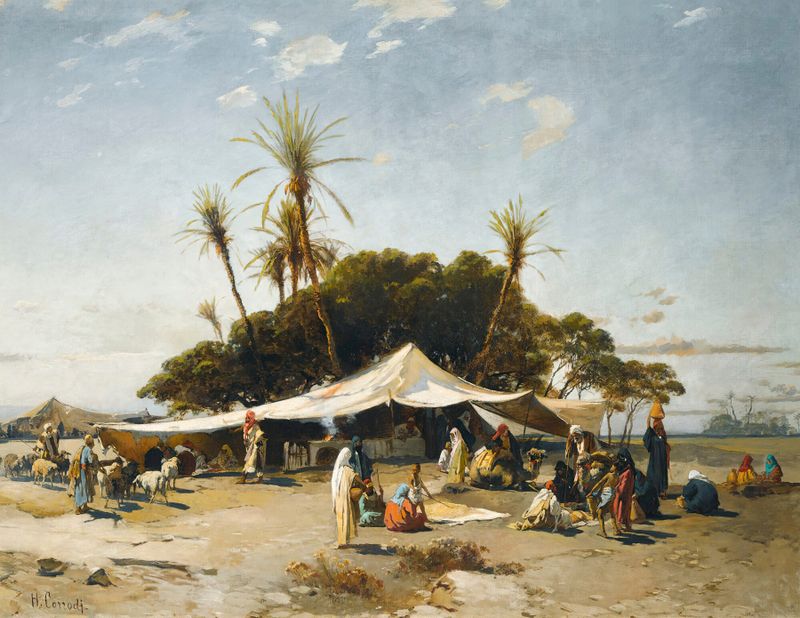
A camp in the desert
Hermann David Salomon Corrodi

A Bedouin Camp At Dusk
Hermann David Salomon Corrodi
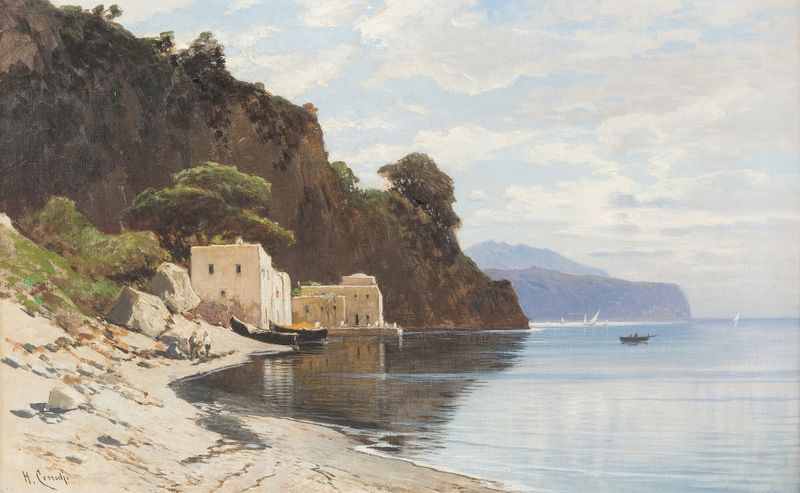
At the Amalfi coast
Hermann David Salomon Corrodi

An oasis encampment
Hermann David Salomon Corrodi

On The Banks Of The Nile
Hermann David Salomon Corrodi
More Architecture Art
Browse all →
The statue of Liberty
Frédéric Auguste Bartholdi

View of Houses in Delft, Known as ‘The Little Street’
Johannes Vermeer

View of Houses in Delft, Known as ‘The Little Street’
Johannes Vermeer

The Cathedral in Rouen. The portal, Grey Weather
Claude Monet

The yellow house
Vincent van Gogh

The Church in Auvers-sur-Oise, View from the Chevet
Vincent van Gogh