The Four Seasons 2 — History & Facts
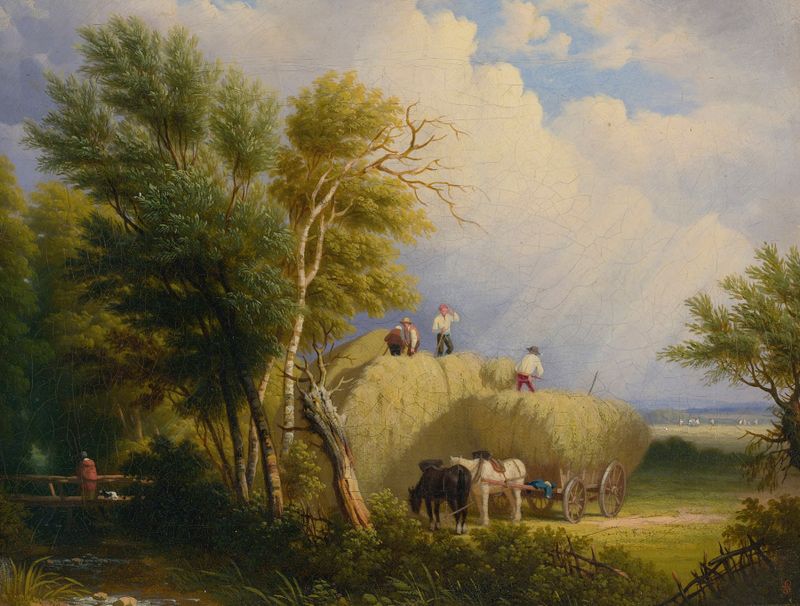
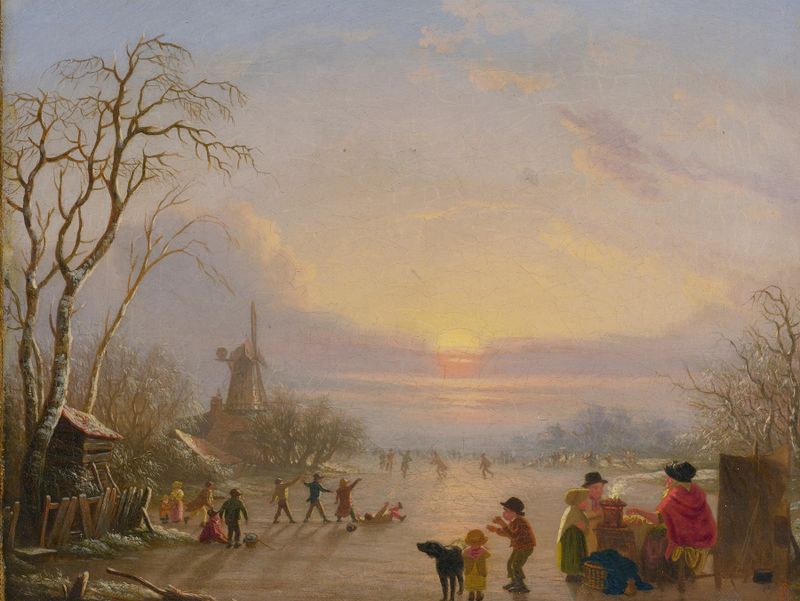
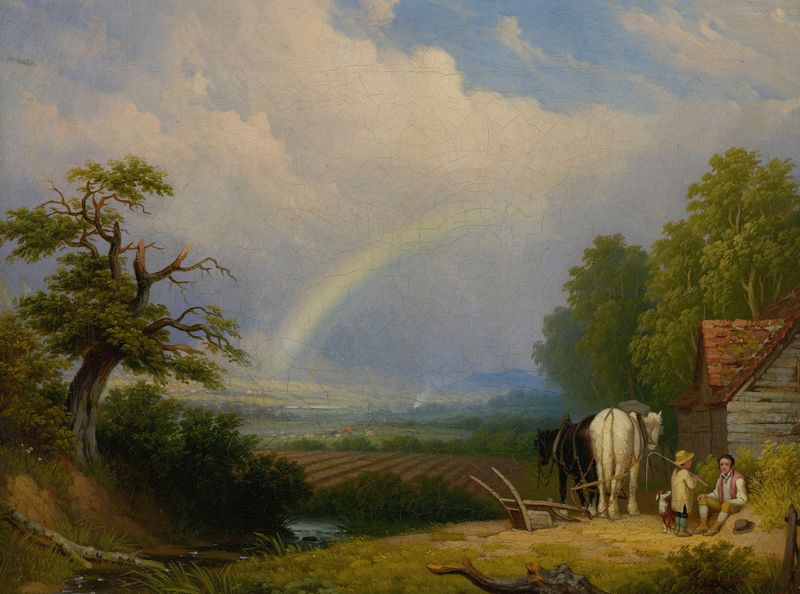
What if silence could speak through light? In The Four Seasons 2, the delicate interplay between color and shadow invites viewers to explore the faith that resides in transitions. Look to the upper left, where vivid blue and soft pastels coalesce into a gentle dawn. The warm hues of orange and yellow cascade into the center, drawing your gaze downwards to the verdant greens and rich earth tones that complete the cycle. The artist’s skill is evident in the way he layers colors, each stroke resonating with the essence of its respective season.
Textures fluctuate between smooth and rough, suggesting the whispers of nature responding to the passage of time. There is a profound tension here, between the vibrant life of spring and the somber stillness of winter. Notice how the fleeting bloom of blossoms, laden with promise, contrasts with the stark, bare branches that signal the end of a cycle. This dance of vitality and dormancy reflects not only the seasons but the cycle of faith—how belief is both nurtured and tested through the changing landscapes of existence. Created during a time of personal exploration, the artist painted The Four Seasons 2 in his studio, likely influenced by the shifting seasons outside his window.
His work emerged amidst a broader movement in art that sought to capture the ephemeral quality of life and nature, mirroring the societal searches for deeper understanding in a rapidly changing world.