The Four Seasons 4 — History & Facts
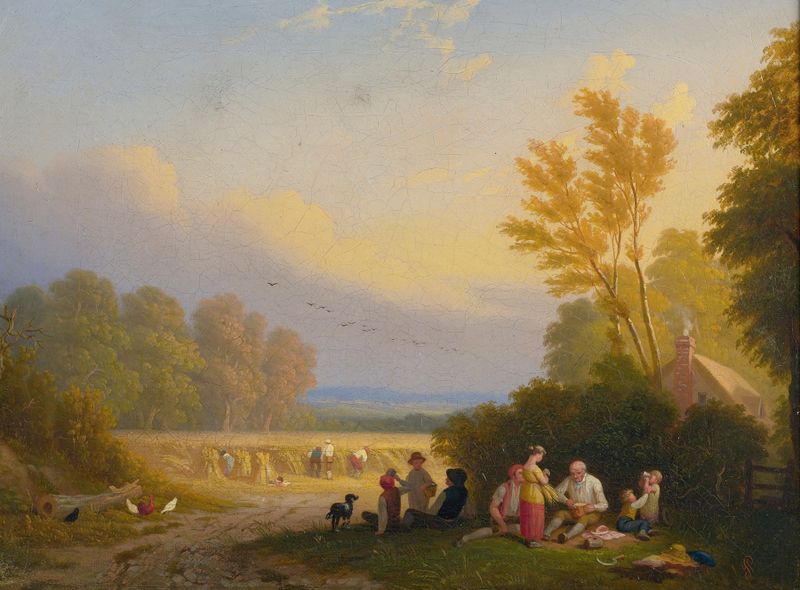
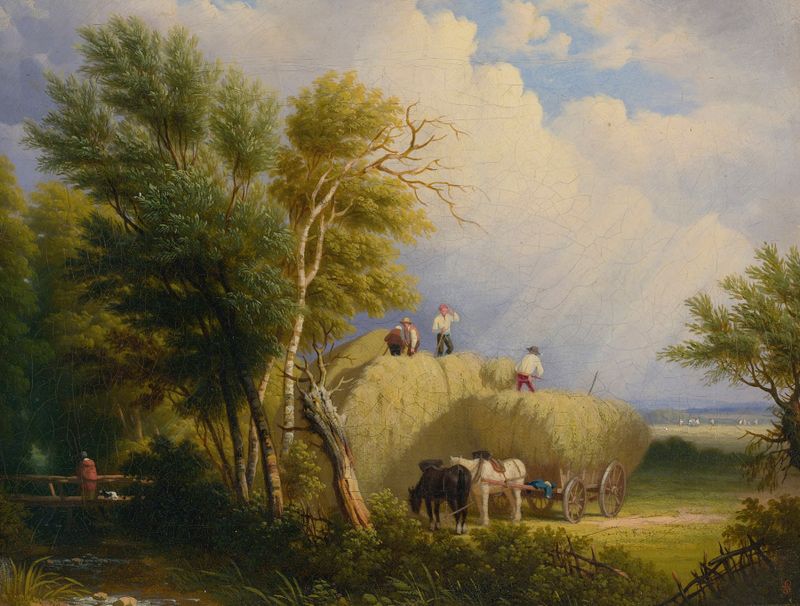
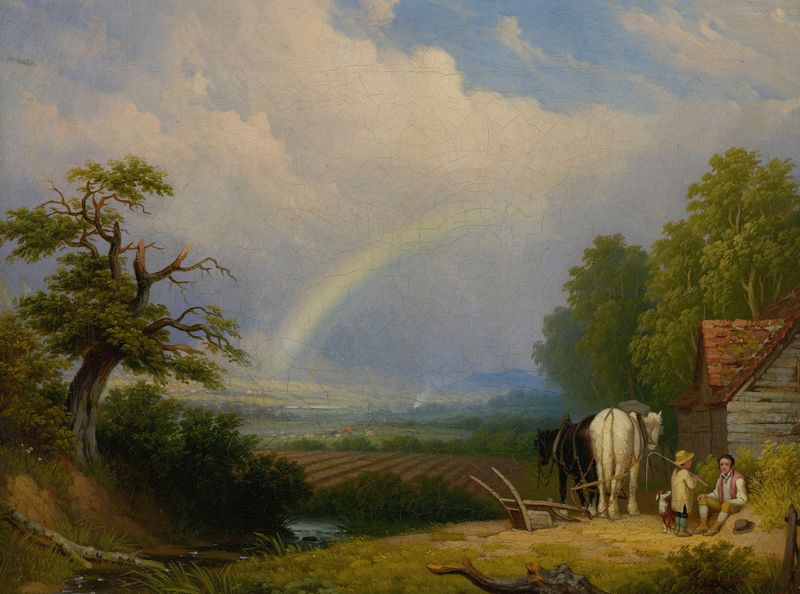
In the stillness of an unpainted moment, a world of awakening stirs just beneath the surface, demanding attention. Each brushstroke holds the potential for transformation, urging the viewer to step closer and feel the pulse of life that thrums within. Focus first on the vibrant interplay of colors that capture the essence of changing seasons. Look to the swirling greens and yellows, where spring breathes life into the canvas, then shift your gaze to the rich oranges and deep reds, signaling the warmth of summer.
Notice how the composition flows, leading your eye seamlessly from one panel to the next, as the cyclical nature of time unfolds before your very eyes. The use of light creates a dynamic contrast; highlights glimmer where the seasons radiate joy, while shadows whisper of the inevitable passage of time. Within this visual symphony, there are deeper emotional currents at play. The juxtaposition of budding flowers alongside falling leaves suggests not only the beauty of growth but also the poignant reality of decay.
Each season, with its unique palette, evokes a different sensation — a fleeting joy, an intense passion, a bittersweet farewell. These contrasts remind us that every ending heralds a new beginning, encapsulating the essence of life in all its complexity. Created during an unspecified period in the artist's career, the work reflects his fascination with nature and the cyclical rhythms of life. While the exact date remains unknown, Puller’s exploration of the seasons is a testament to the broader artistic movements of his time, where abstraction and realism intertwined, inviting viewers to find meaning in both the seen and the unseen.