
The Four Seasons III — History & Facts
In a world where every fleeting moment bears the weight of destiny, the significance of nature’s cyclical beauty becomes a poignant reminder of our place within it. Look closely at the intricate interplay of light and shadow that dances across the canvas. The artist employs a rich palette of greens and golds, drawing your eye first to the vibrant foliage that flourishes in the foreground. The meticulous detail in each leaf hints at a reverence for the changing seasons, while the soft, luminescent sky serves as a backdrop—a fleeting moment caught between dawn and dusk. Within the layers of this composition lies a deeper narrative.
The juxtaposition of blooming flowers and wilting petals echoes the duality of life and death, suggesting that each season has its own story of birth, decay, and renewal. The subtle presence of small creatures in the foliage evokes a sense of watchful guardianship, as if time itself is both sculptor and spectator in this delicate balance of existence. The painting's origins are shadowed in mystery, but it is believed to have been created by Lucas van Uden during a time when still life and landscape painting were gaining prominence in the late 16th century in the Netherlands. As an artist deeply influenced by the natural world around him, he infused his works with a poetic sensitivity, reflecting not only his personal experiences but also the collective longing for harmony with nature that resonated across Europe during this period.
More Artworks by Lucas van Uden
Browse all →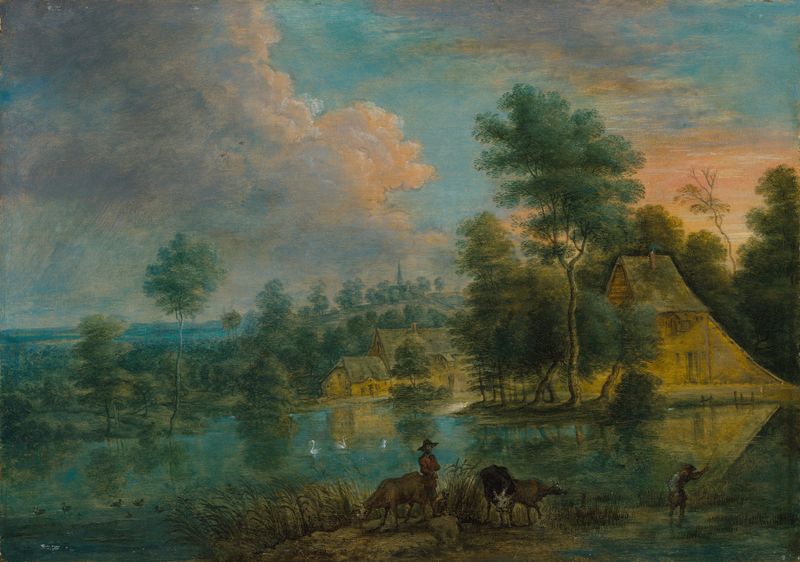
A river landscape with travellers
Lucas van Uden
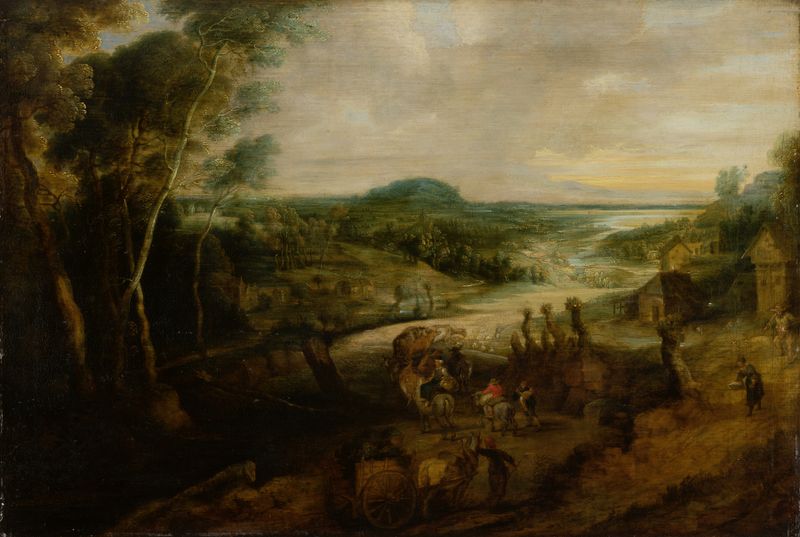
River Landscape with Peasants on the Way to Market
Lucas van Uden
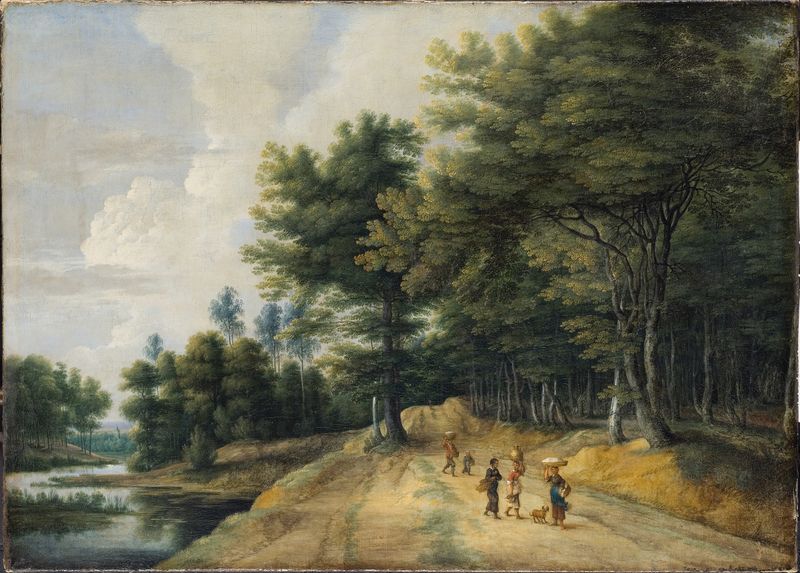
Landscape with a Road through a Wood of Beeches
Lucas van Uden
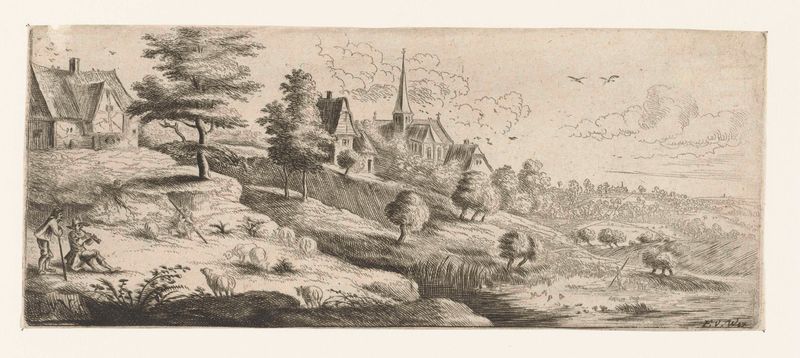
Landschap met een dorp en een schalmei spelende man
Lucas van Uden
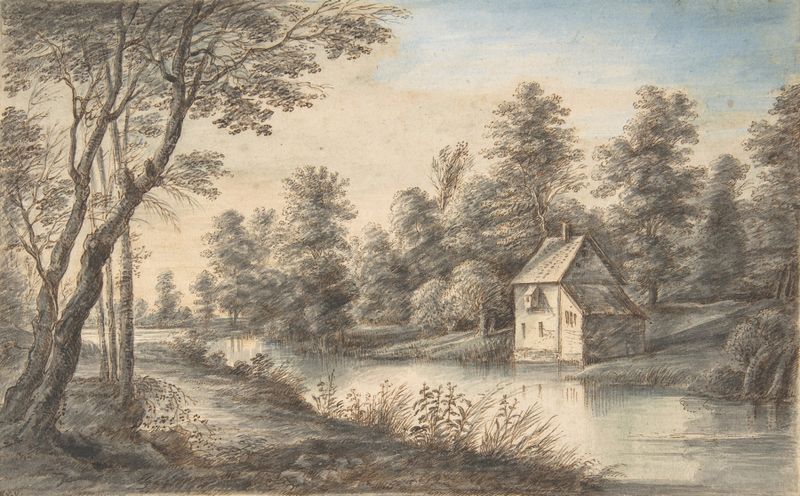
Wooded Landscape with a House beside a River
Lucas van Uden
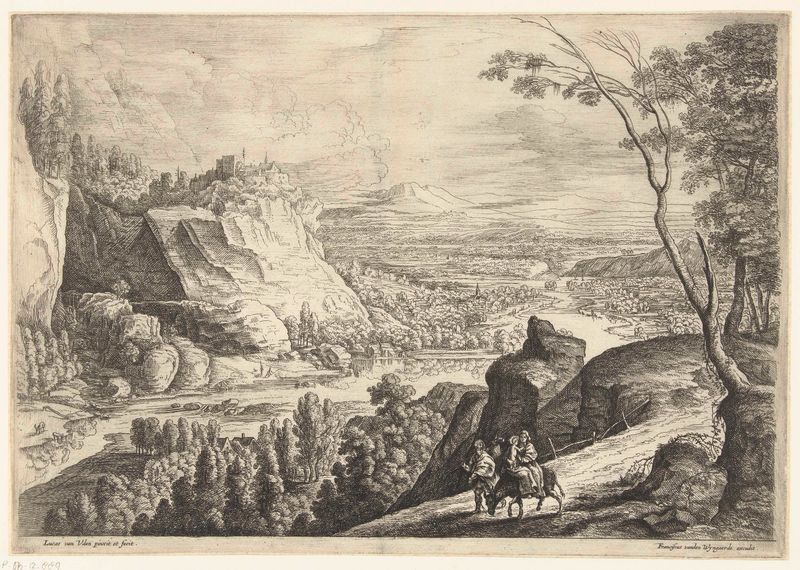
Landschap met de vlucht naar Egypte
Lucas van Uden
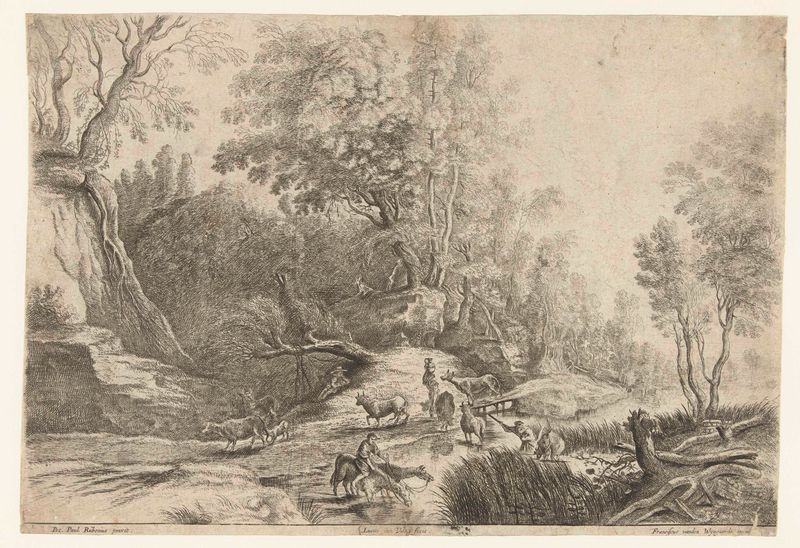
Paarden en koeien bij een drinkplaats
Lucas van Uden
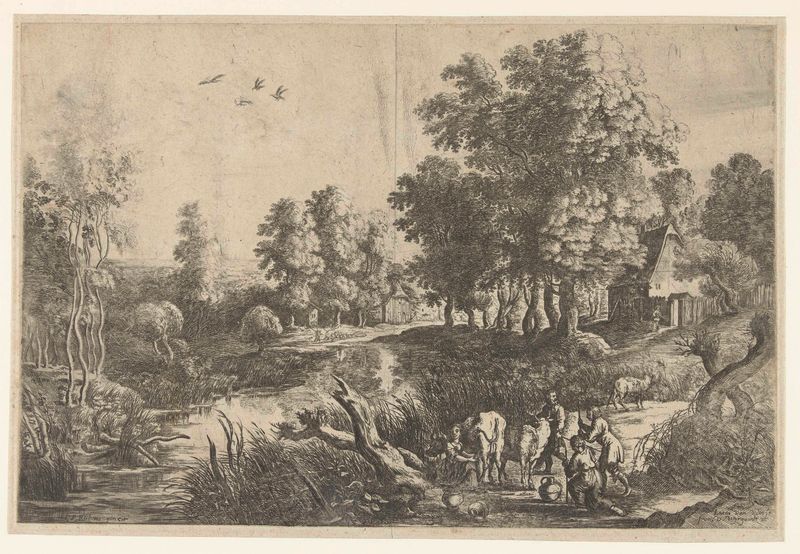
Boeren met vee bij een beek
Lucas van Uden
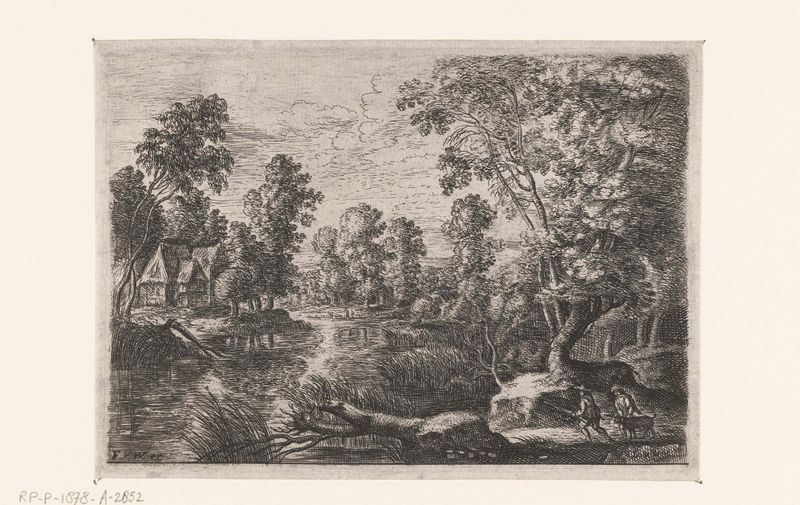
Landschap met een beek en een jager
Lucas van Uden
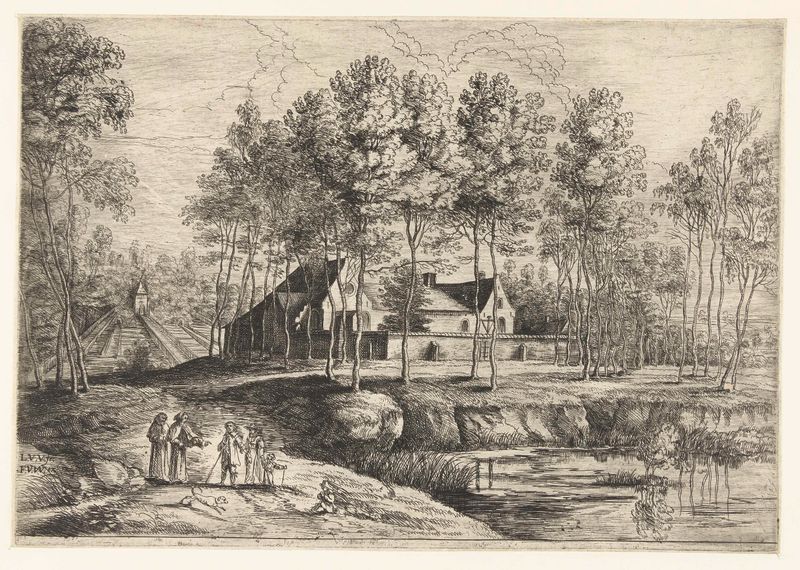
Gezicht op het kapucijnenklooster te Tervuren
Lucas van Uden





