
The Good Education — History & Facts
In The Good Education, Jean Siméon Chardin presents a warm and intimate scene. The painting features a young girl sitting at a table, engaged in her studies. Soft, natural light filters through the window, illuminating her focused expression.
The color palette is gentle, with warm browns and soft whites dominating the composition. The painting is executed in oil on canvas, showcasing Chardin's skillful brushwork. The textures of the girl's clothing and the objects on the table are rendered with great attention to detail. Chardin employs a realistic style, typical of the Rococo period, emphasizing the everyday life of his subjects.
The dimensions of the artwork are approximately 73 x 60 cm. Jean Siméon Chardin was known for his still lifes and genre scenes that captured the essence of 18th-century French life. The Good Education reflects his interest in the theme of education and the role of women in society. Interestingly, Chardin often depicted children and domestic scenes, highlighting the importance of nurturing and learning in a familial setting.
This painting is a fine example of his ability to blend realism with a delicate touch.
More Artworks by Jean Siméon Chardin

The Ray
Jean Siméon Chardin
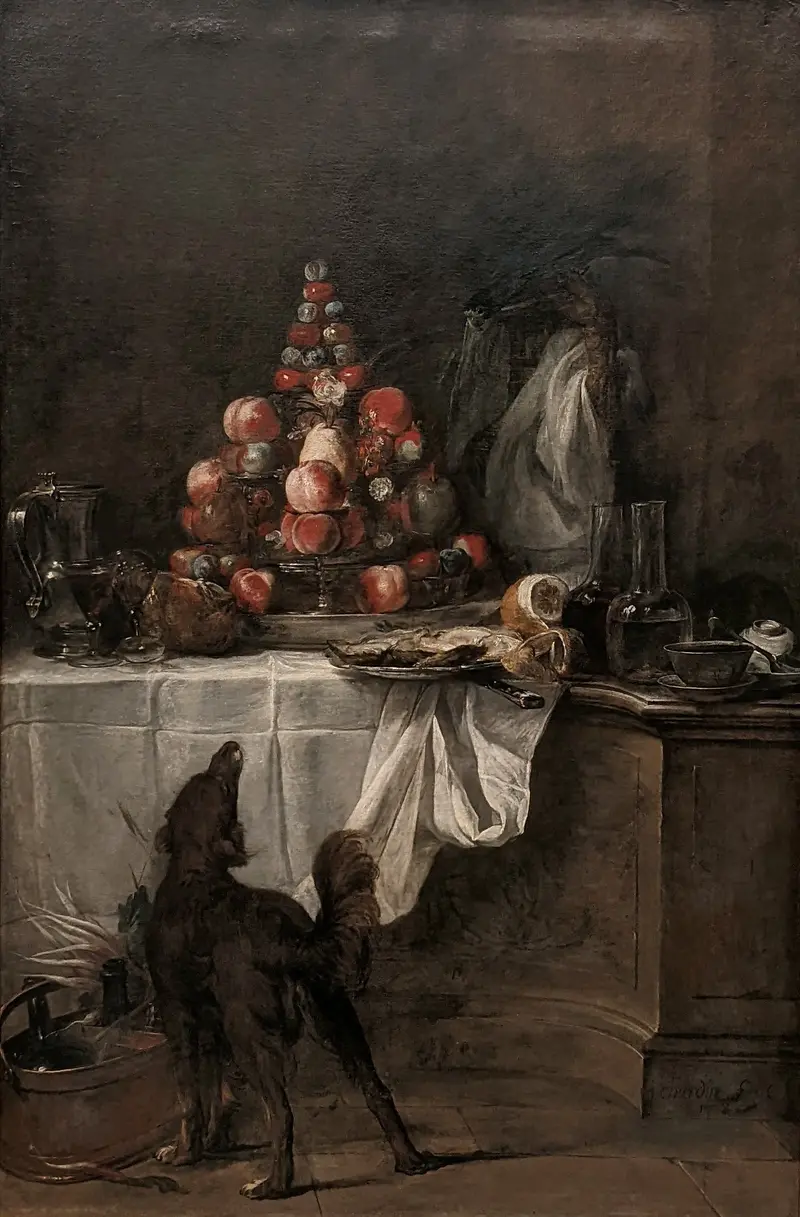
The Buffet
Jean Siméon Chardin

The White Tablecloth
Jean Siméon Chardin
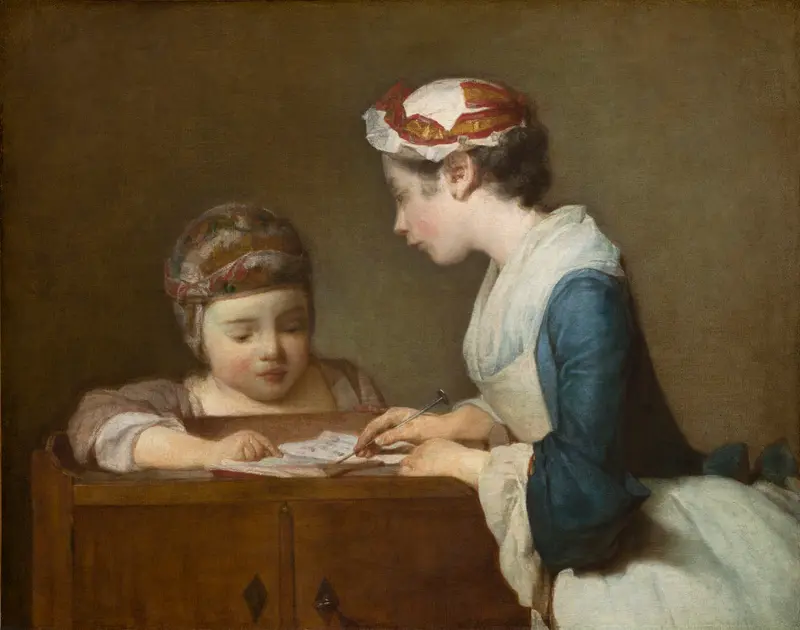
The Little Schoolmistress
Jean Siméon Chardin
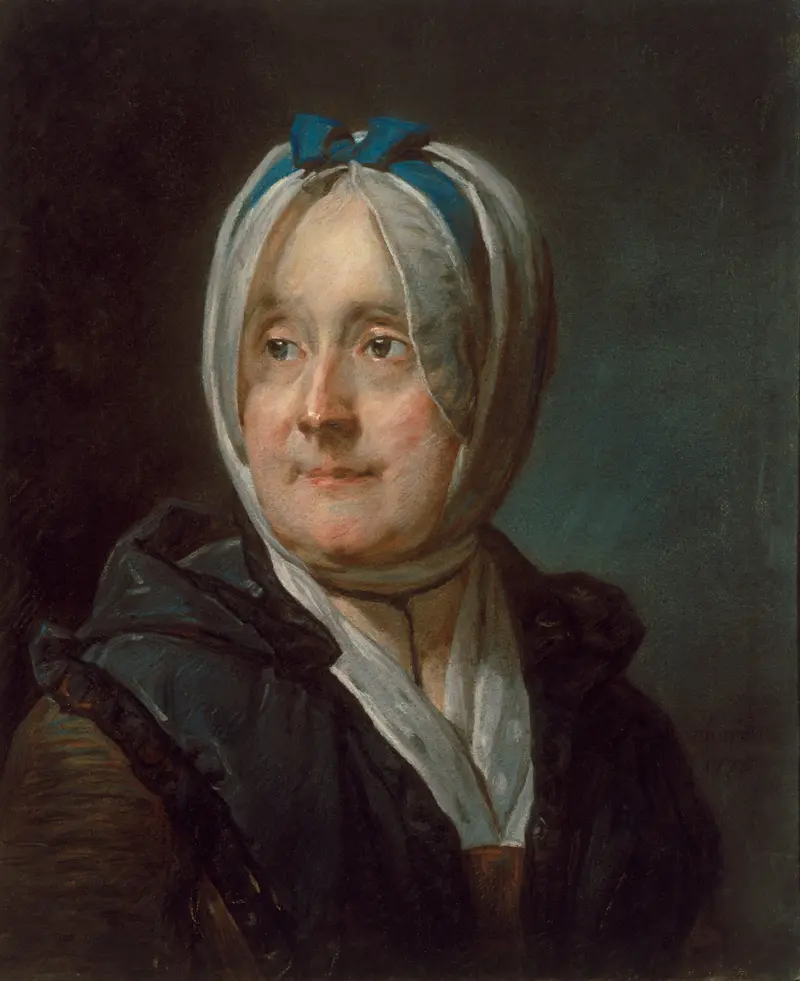
Portrait of Madame Chardin
Jean Siméon Chardin
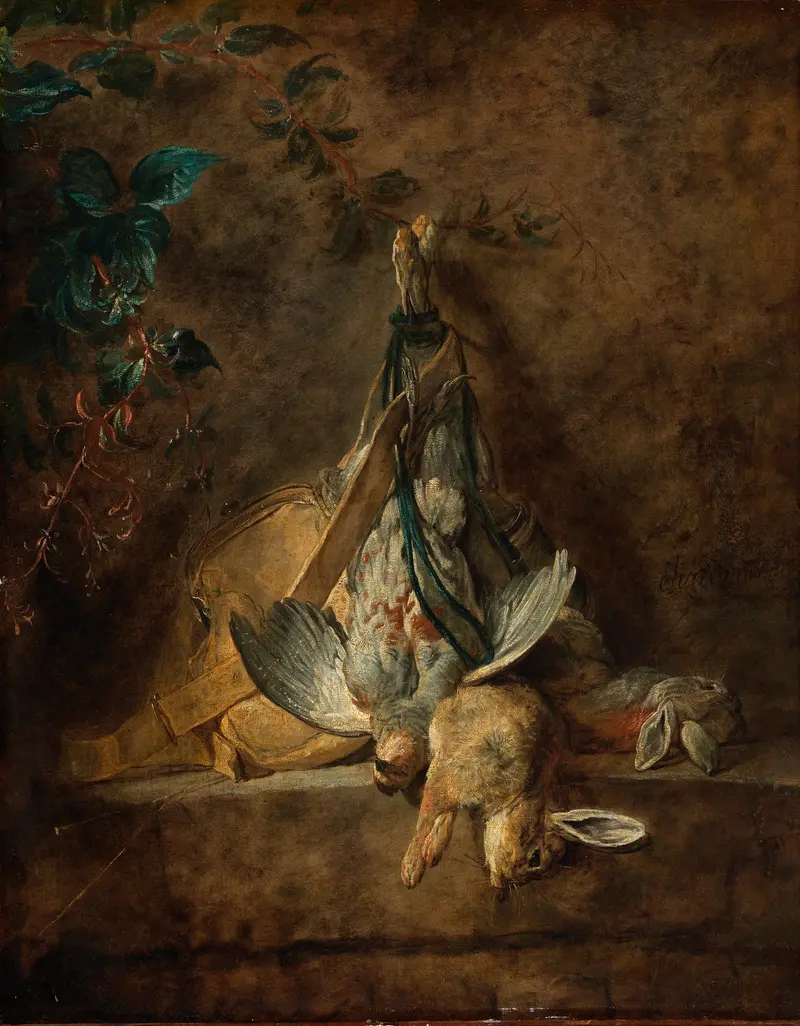
A Still Life; Two Rabbits, a Grey Partridge, Game Bag and a Powder Flask
Jean Siméon Chardin
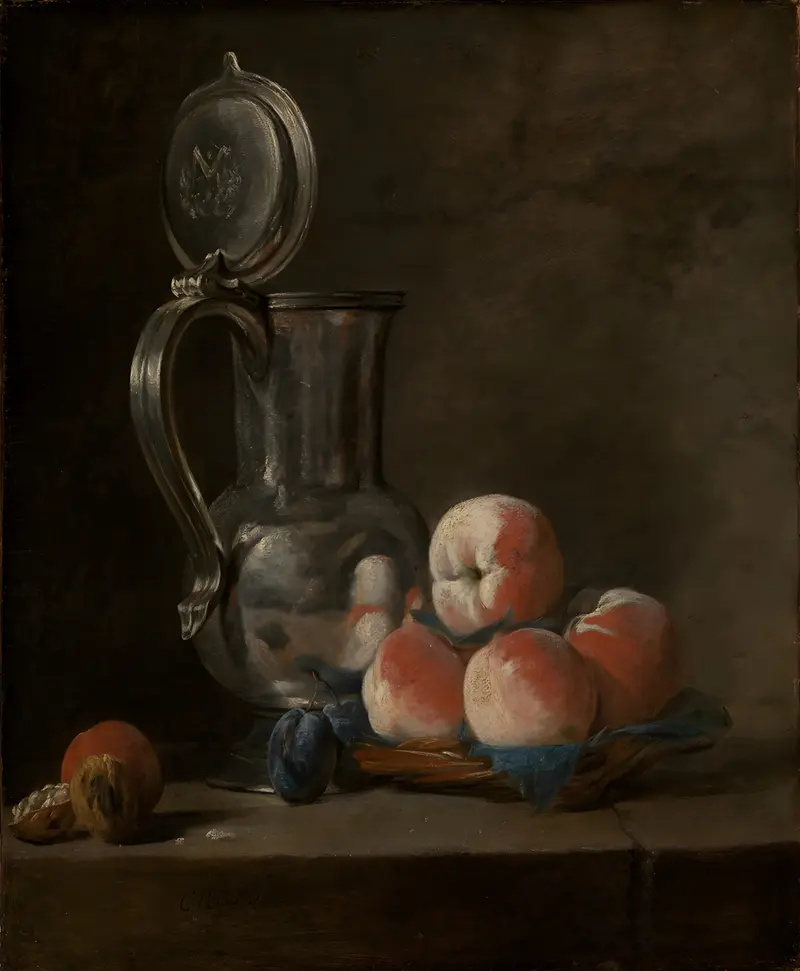
Still life with pewter jug and peaches
Jean Siméon Chardin
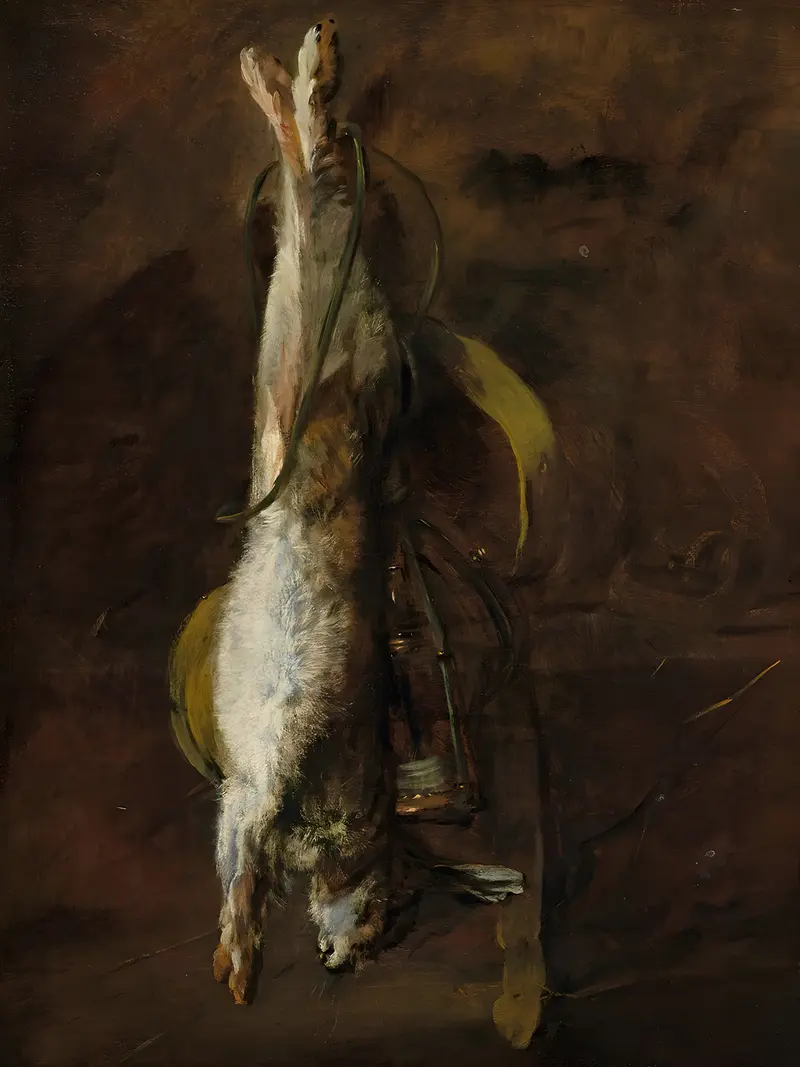
A dead rabbit and a satchel
Jean Siméon Chardin
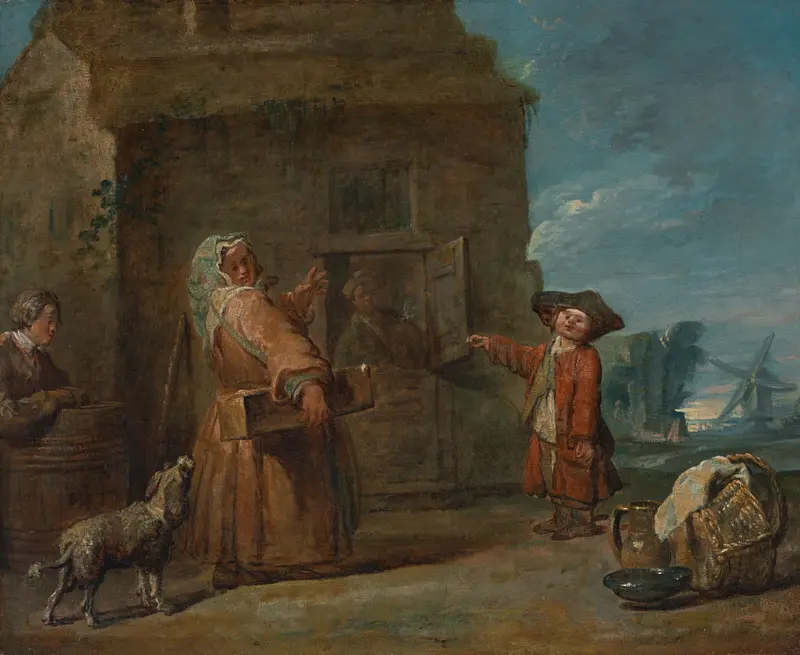
A genre scene, possibly La boïte du prestidigitateur (‘The Conjurer’s Box’)
Jean Siméon Chardin
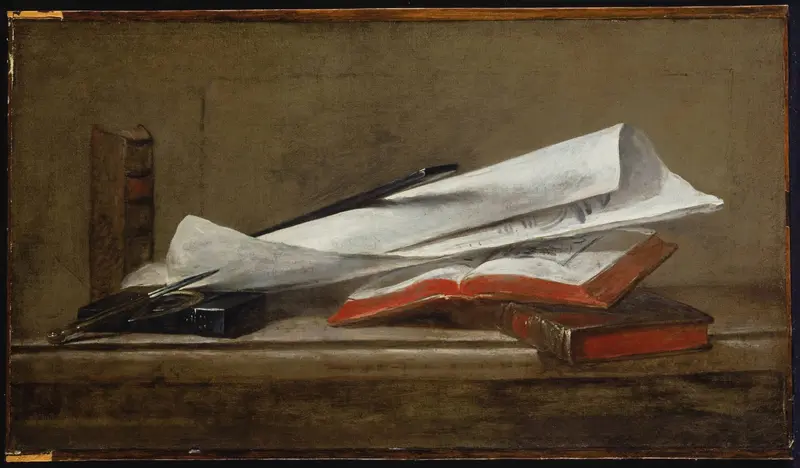
Attributes of the Architect
Jean Siméon Chardin
More Genre Scene Art

Banquet of the Officers of the St George Civic Guard
Frans Hals

Rembrandt and Saskia in the Scene of the Prodigal Son
Rembrandt van Rijn

Bal du moulin de la Galette
Pierre-Auguste Renoir

Quadrille at the Moulin Rouge
Henri de Toulouse-Lautrec

A Burial at Ornans
Gustave Courbet

When Will You Marry?
Paul Gauguin