The Grachten — History & Facts
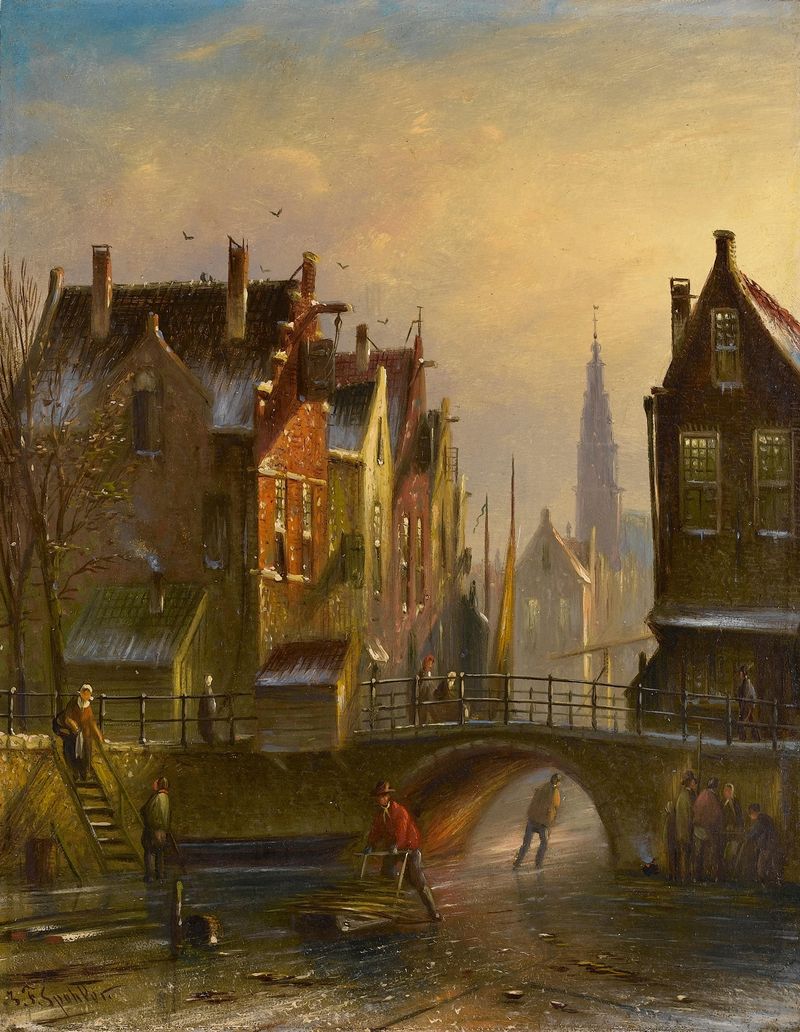
When did color learn to lie? The vibrant hues, while seemingly inviting, may conceal an unsettling truth beneath their surface. Focus first on the stark contrast presented in the center, where deep, turbulent blues intersect with soft pastels. Notice how the brushwork breathes life into the scene; strokes pulse with intensity, drawing you into an almost surreal world that feels both captivating and disorienting. The chaotic patterns dance across the canvas, suggesting movement and turbulence, while still lending an air of stability—an illusion crafted with precision. Delve deeper into the composition, and you’ll uncover a tension that exists between madness and serenity.
The juxtaposition of serene water reflections against the frantic energy of the surrounding landscape evokes a sense of unease. This duality speaks to the complexities of human emotion, as if the artist is inviting you to question what is seen versus what is felt. The use of color becomes a metaphor for the masks we wear, hiding our inner turmoil even as we present a tranquil facade to the world. Johannes Franciscus Spohler likely created this work during a period of personal exploration, as the details of his life remain largely obscured.
Working in the Netherlands, his exploration of color and emotion aligned with the broader artistic movements of his time, which were beginning to embrace abstraction and emotional expression. This painting reflects not only his individual journey but also the shifting tides of an evolving art scene, where the boundaries of reality began to blur.