
The Grand Canal — History & Facts
In The Grand Canal, a shimmering vista of idyllic tranquility conveys an undercurrent of melancholy that lingers like a haunting refrain. Look to the left at the delicate play of light upon the water’s surface, where golden reflections dance among the ripples. The architectural silhouettes of Venice rise majestically in the distance, their earth tones juxtaposed against the azure of the sky, creating a striking harmony. The careful brushstrokes reveal a skilled hand, guiding the viewer's gaze through the winding canal, suggesting movement and itinerancy, while the soft color palette evokes a dreamlike quality. Yet, beneath this serene exterior lies a tension between grandeur and solitude.
The absence of bustling figures in the scene hints at a deeper emotional narrative—the emptiness of beauty without connection. Notice how the gentle curve of the canal draws the eyes inward, mirroring life’s relentless passage, encapsulating both the allure and the inherent sadness of the city’s fading glory. Each brushstroke seems to whisper tales of longing, as if the scenery itself mourns what was once vibrant. Created during a time of personal reflection, Antonietta Brandeis painted The Grand Canal amidst the cultural revival of the late 19th century.
Living in Venice, she was surrounded by the city’s rich artistic legacy, yet also faced the challenges of being a female artist in a male-dominated field. This work, likely completed between 1880 and 1900, captures her unique perspective—a blend of nostalgia for the past and a deep appreciation for the beauty that remains, all while navigating the complexities of her own artistic identity.
More Artworks by Antonietta Brandeis
Browse all →
St Mark’s, Venice
Antonietta Brandeis

Venice, a View of Ponte de la Calcina on Rio di San Vio
Antonietta Brandeis
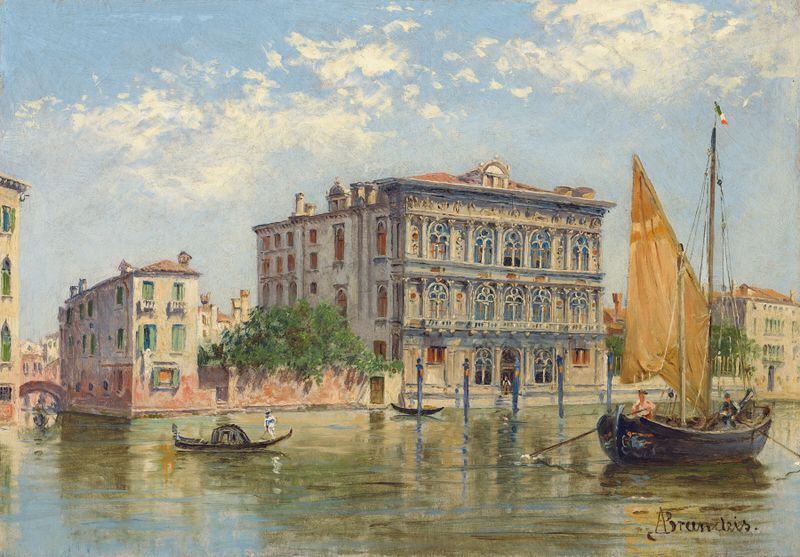
Ca’ Vendramin Calergi from the Grand Canal, Venice
Antonietta Brandeis
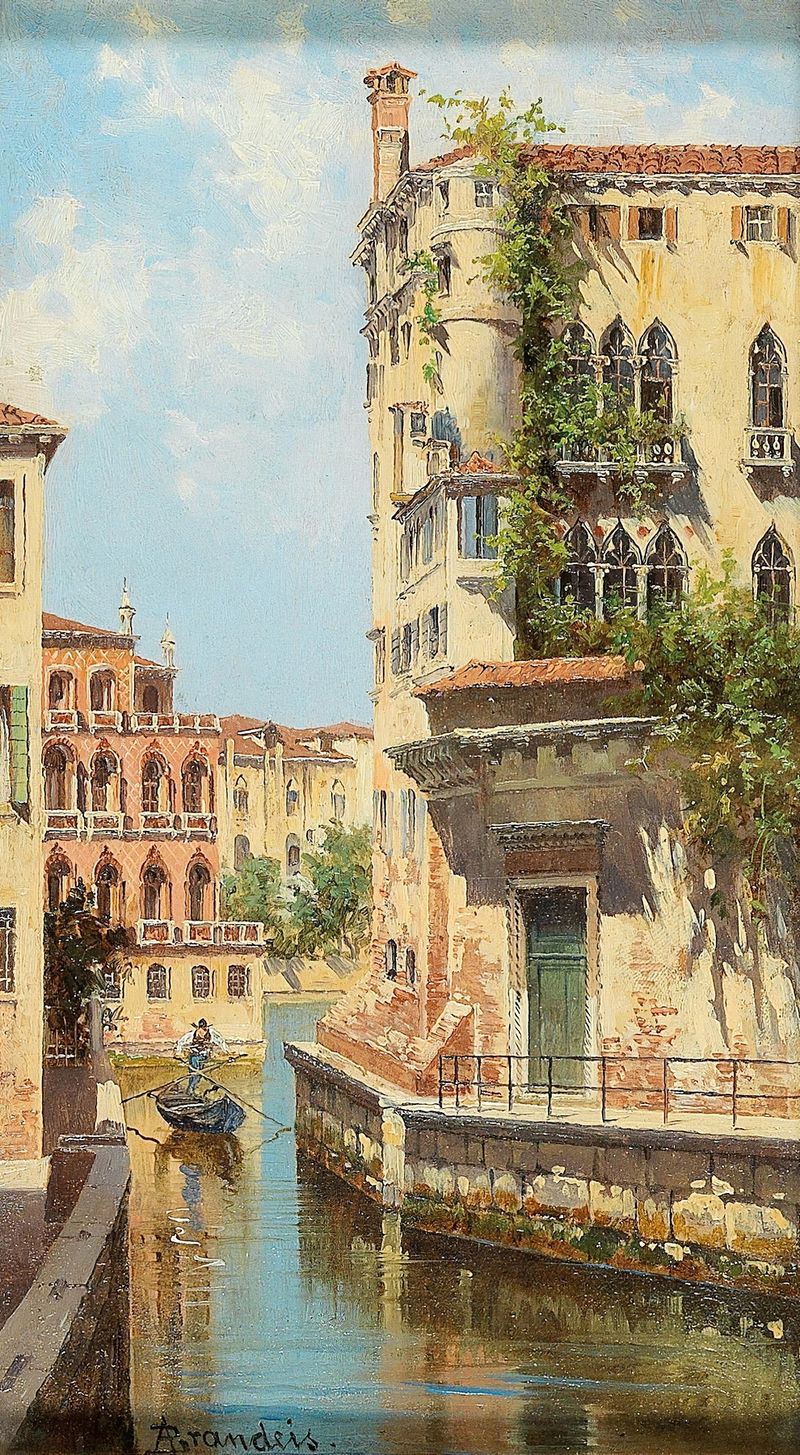
Canal In Venice With View Of The Back Of The Palazzo Rocca
Antonietta Brandeis
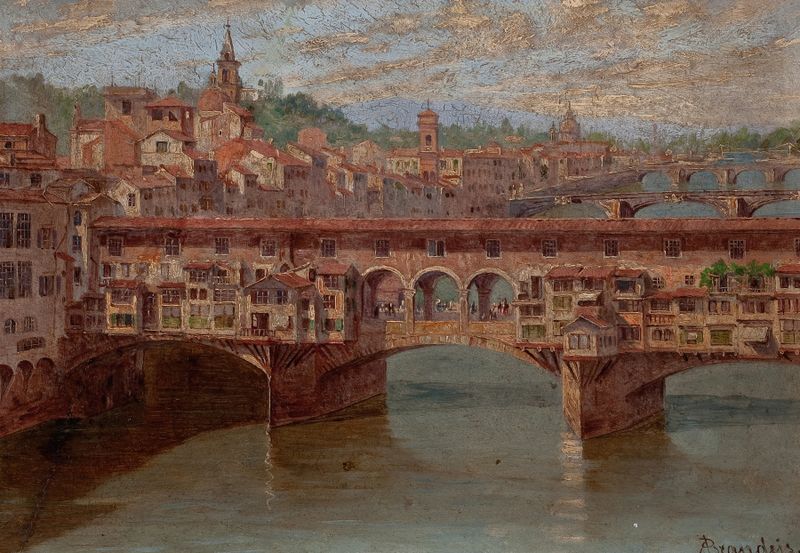
Ponte Vecchio, Florence
Antonietta Brandeis

The Grand Canal, Venice
Antonietta Brandeis
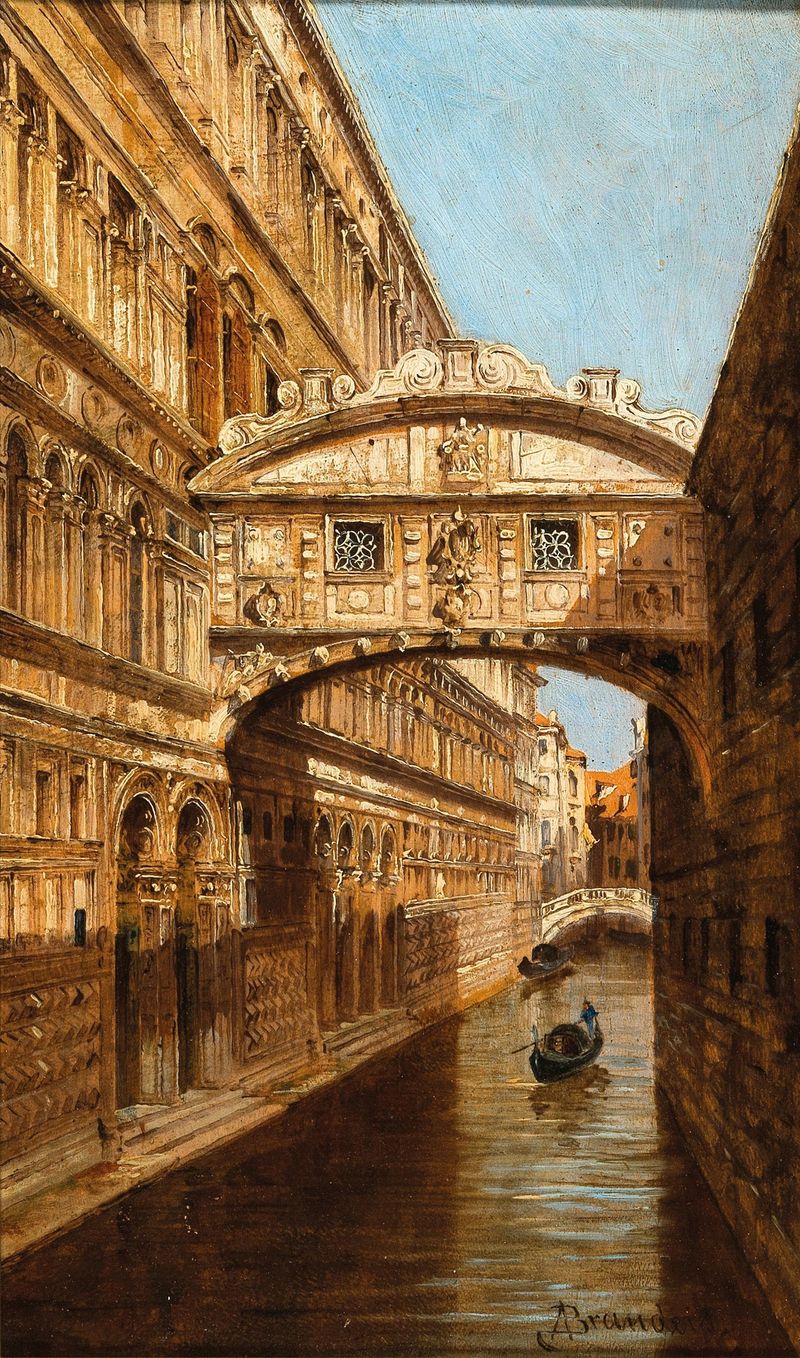
Venice, Le ponte dei Sospiri, Venezia
Antonietta Brandeis
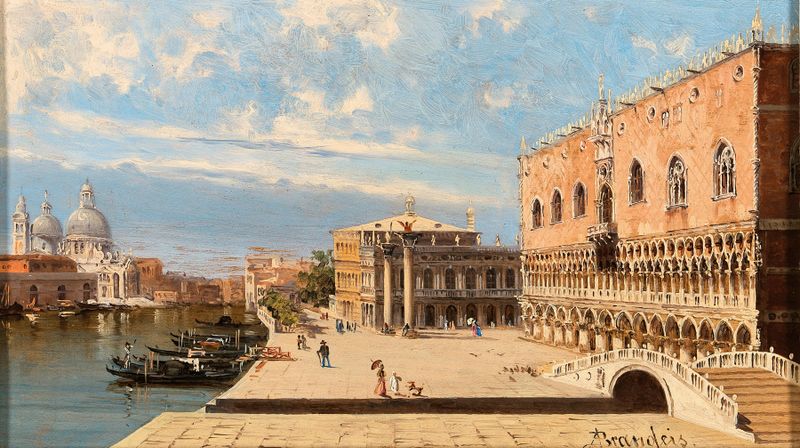
Il Palazzo Ducale Venezia
Antonietta Brandeis
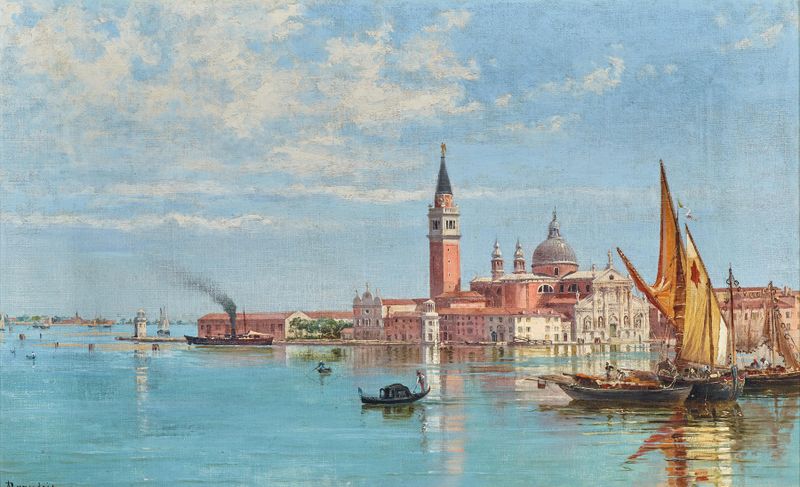
Venice, a View of San Giorgio Maggiore
Antonietta Brandeis
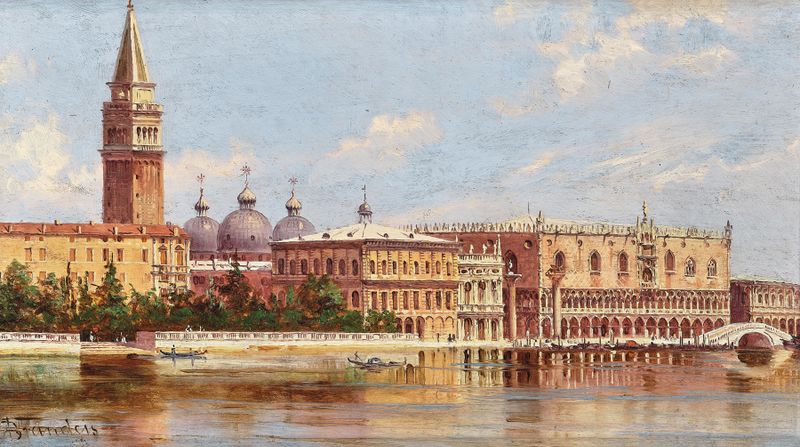
Venice, a View of the Bacino di San Marco
Antonietta Brandeis





