
The grand lay-out — History & Facts
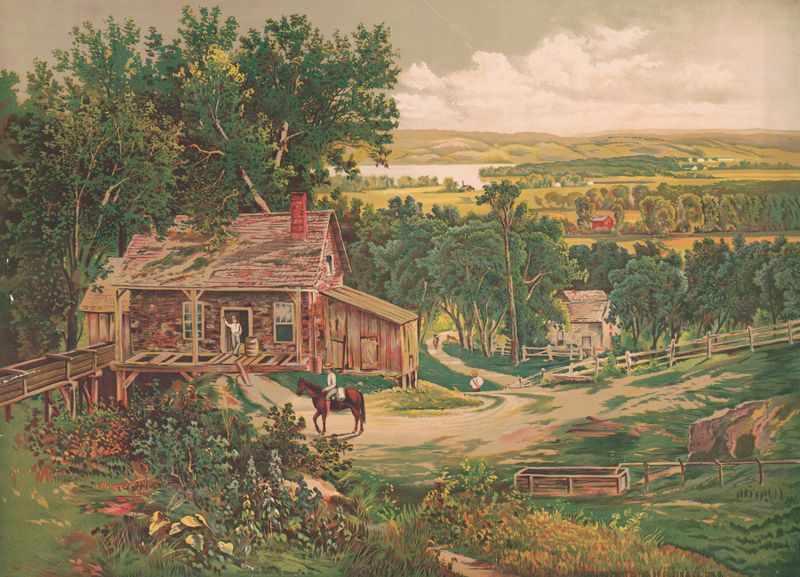
This notion resonates deeply within the intricate folds of The Grand Lay-out. A striking exploration of shadow and light, this piece beckons viewers to contemplate the hidden struggles woven beneath its surface. Look to the center of the composition, where the carefully arranged elements draw the eye into a delicate harmony. Notice how the soft, muted hues of the background contrast with the occasional glint of gold; these choices create a sense of depth and intrigue.
Shadows play across the scene, lending it an air of mystery and inviting closer inspection of the textures and forms present. The meticulous lithographic technique allows for intricate details to emerge, imbuing the artwork with a sense of tactile richness. Delve deeper into the interplay of light and shadow, where contrasting elements speak volumes about the dualities of existence. The glaring brightness of the gold hints at prosperity, while the enveloping shadows serve as a reminder of the lurking vulnerabilities and unspoken fears.
This dynamic tension underscores the complexity of beauty, suggesting that it often masks deeper truths, challenging observers to look beyond the surface and confront their own interpretations of the apparent charm. In 1874, Gibson & Co. Lith was at the forefront of the lithographic movement, embracing the burgeoning advances in printing technology. The era was marked by a fascination with realism and detail, as artists sought to capture the essence of life in new and innovative ways.
Amidst social changes and artistic exploration, this particular piece emerged as a commentary on the nature of beauty, reflecting the complexities of contemporary life and the shadows that often accompany it.
More Artworks by Gibson & Co. Lith
Browse all →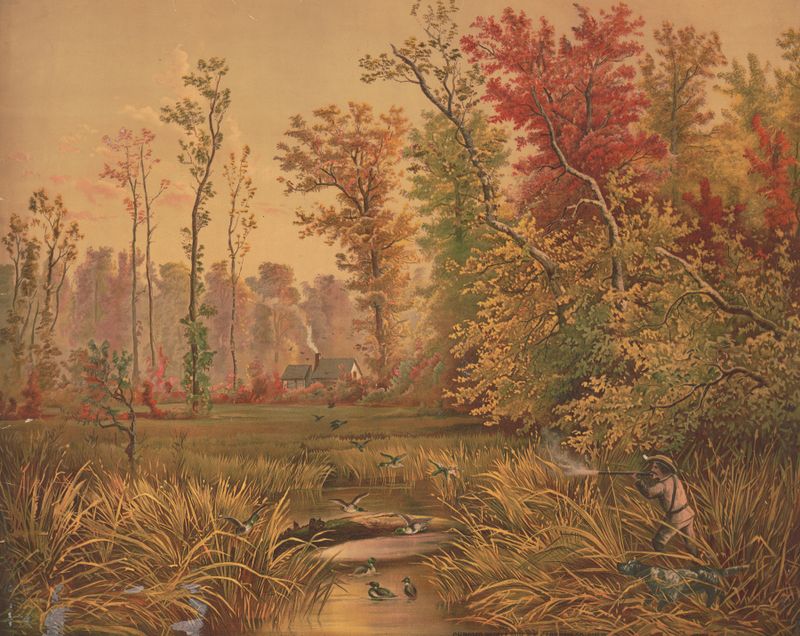
Duck shooting in Indiana
Gibson & Co. Lith
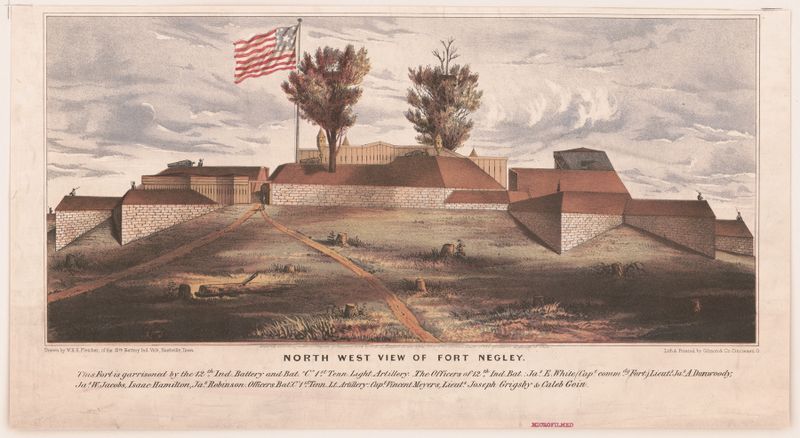
North west view of Fort Negley
Gibson & Co. Lith
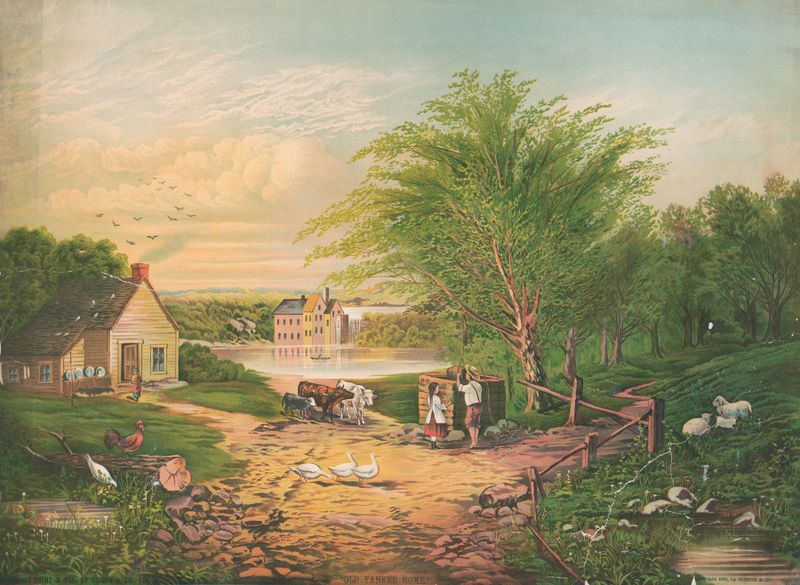
Old Yankee home
Gibson & Co. Lith
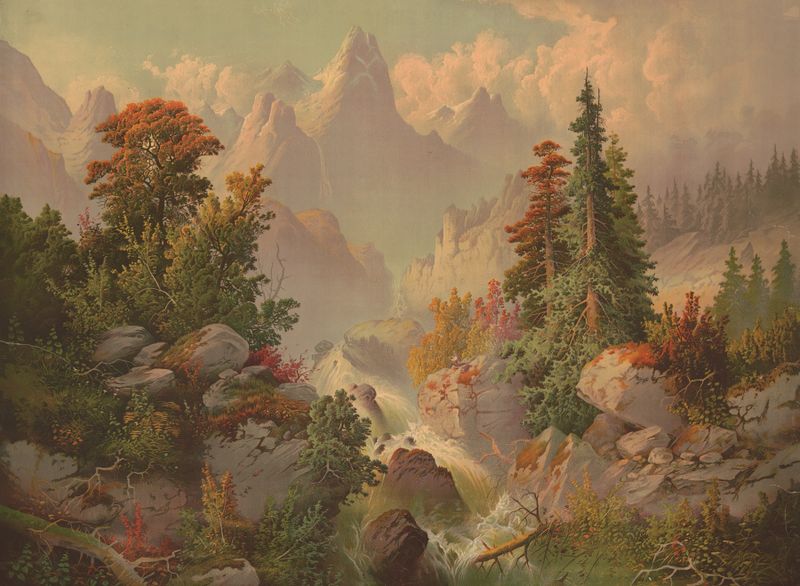
Cascade in the Rocky Mountains
Gibson & Co. Lith

Venice pride of the sea
Gibson & Co. Lith
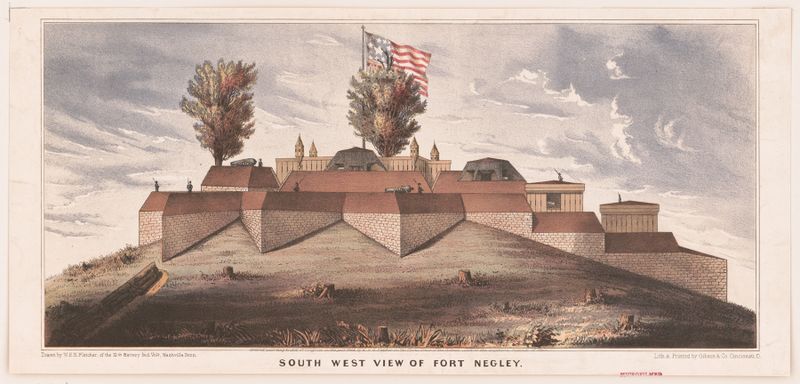
South west view of Fort Negley
Gibson & Co. Lith
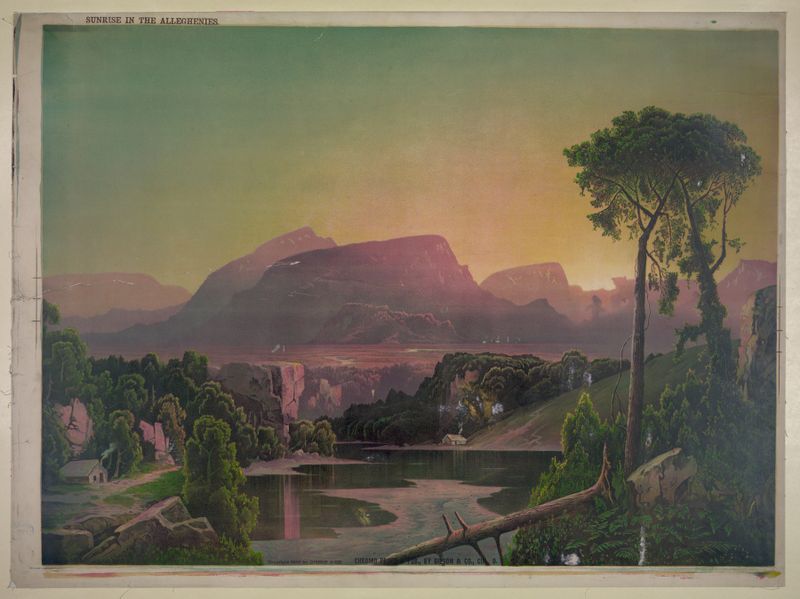
Sunrise in the Alleghenies
Gibson & Co. Lith
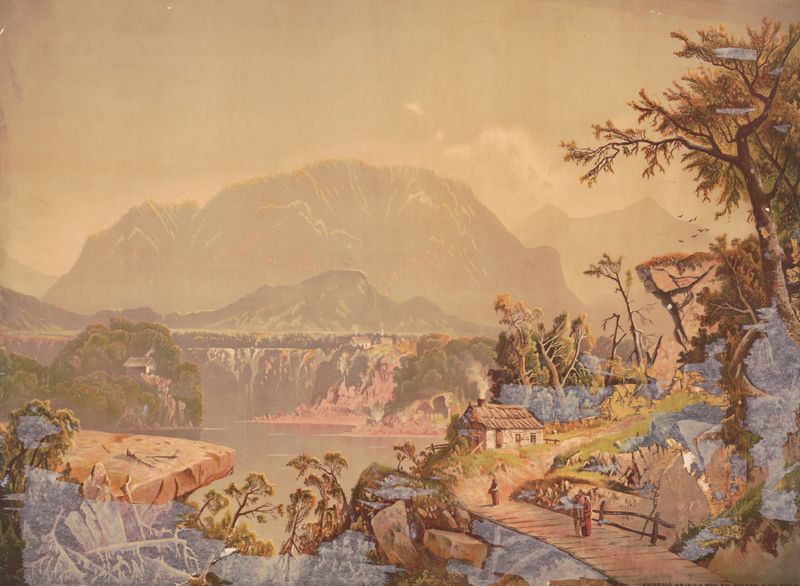
Morning on the Penobscot
Gibson & Co. Lith
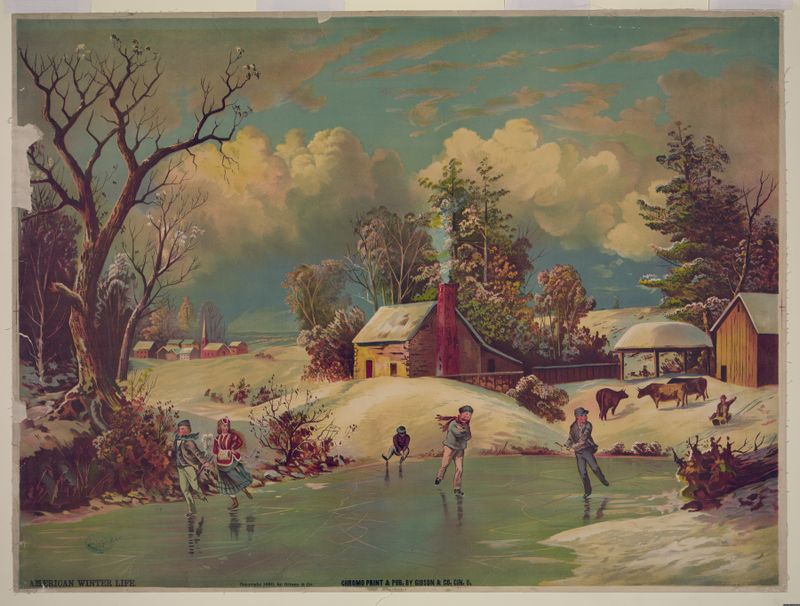
American winter life
Gibson & Co. Lith
Grandfather’s mill
Gibson & Co. Lith





