
The Grand Mogol’s Pleasure Palace, a few miles from Delhi — History & Facts
In the quietude of nostalgia, art creates a bridge to a world long past, where each stroke whispers stories of grandeur and decay. Look to the left at the ornate architecture, each arch and dome meticulously crafted, rising proudly against the backdrop of a soft azure sky. The palette is a sumptuous blend of warm ochres and deep greens, with splashes of jewel-toned colors that evoke the opulence of the palace’s former glory. Notice how the delicate details of floral motifs curl and unfold across the canvas, inviting the eye to dance over intricate patterns that mirror the lavish lifestyle once enjoyed within these walls. Beneath the surface, the painting contrasts the vibrancy of life against the inevitable passage of time.
The crumbling edges of the structures hint at decay, reminding the viewer of impermanence, while the lush gardens symbolize a lingering beauty amid fading memories. This duality reflects not just a physical space but also the emotional resonance of nostalgia itself, a longing for what once was, imbued with both joy and melancholy. Created in 1750, this work emerged during a rich period in Indian art history, as Mughal influences intertwining with local traditions forged a unique aesthetic. The anonymous artist captured a moment in the ever-evolving landscape of Delhi, where imperial splendor faced the encroaching shadows of change.
In this era, the Mughal Empire, though waning, remained a powerful symbol of beauty and resilience, a paradox mirrored in the artwork itself.
More Artworks by Unknown Artist
Browse all →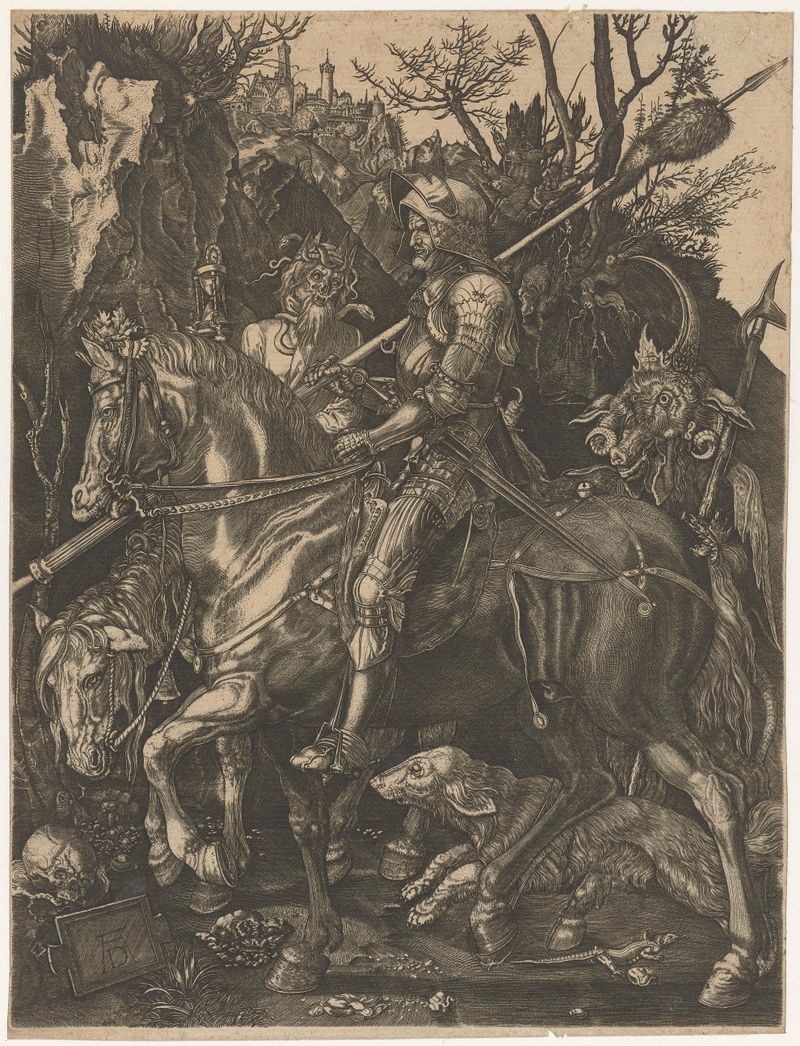
Ridder, Dood en Duivel
Unknown Artist
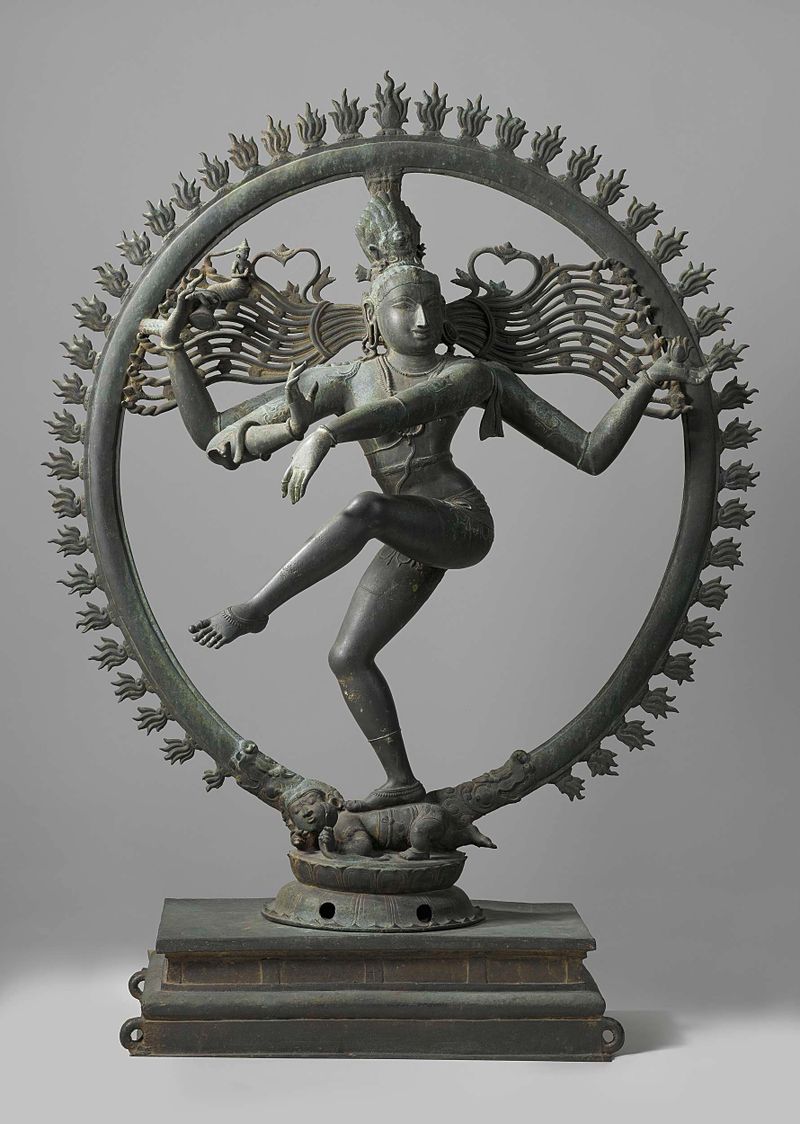
Shiva Nataraja
Unknown Artist
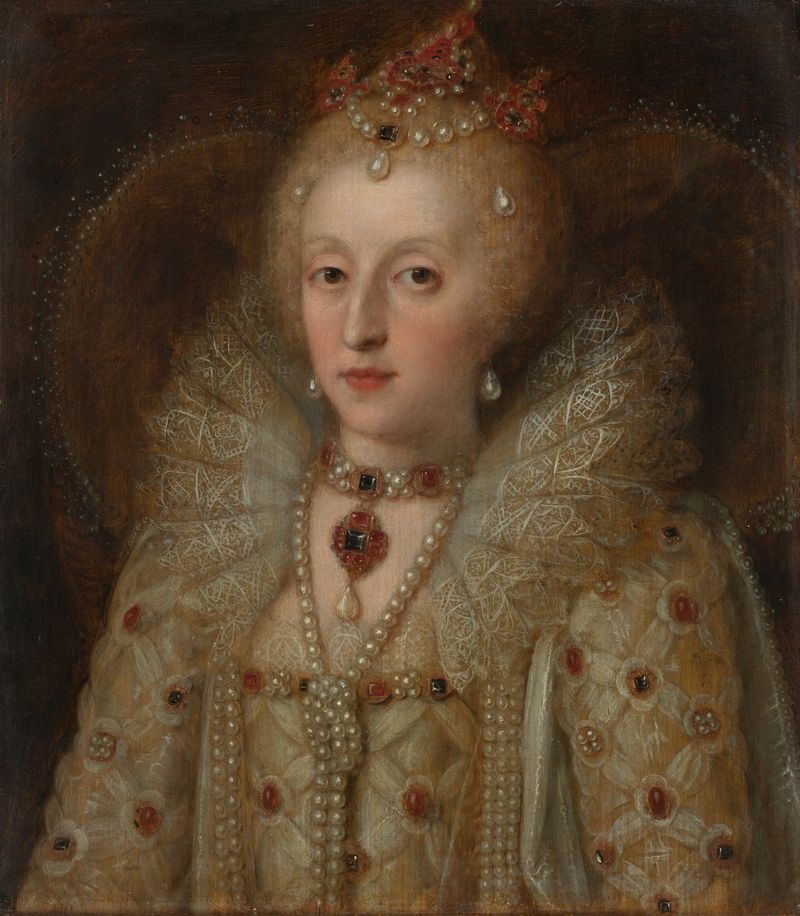
Portrait of Elizabeth I, Queen of England
Unknown Artist
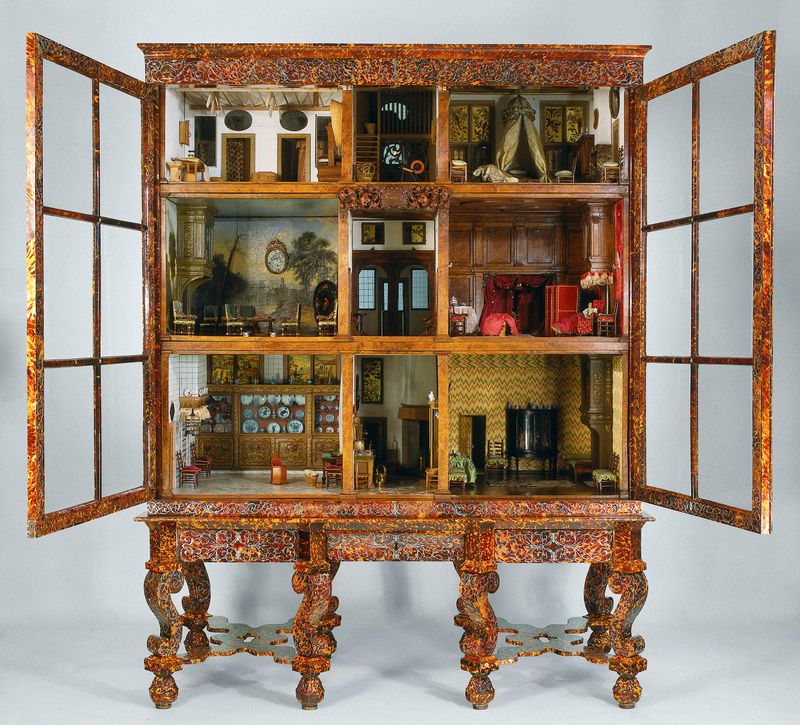
Dolls’ house of Petronella Oortman
Unknown Artist
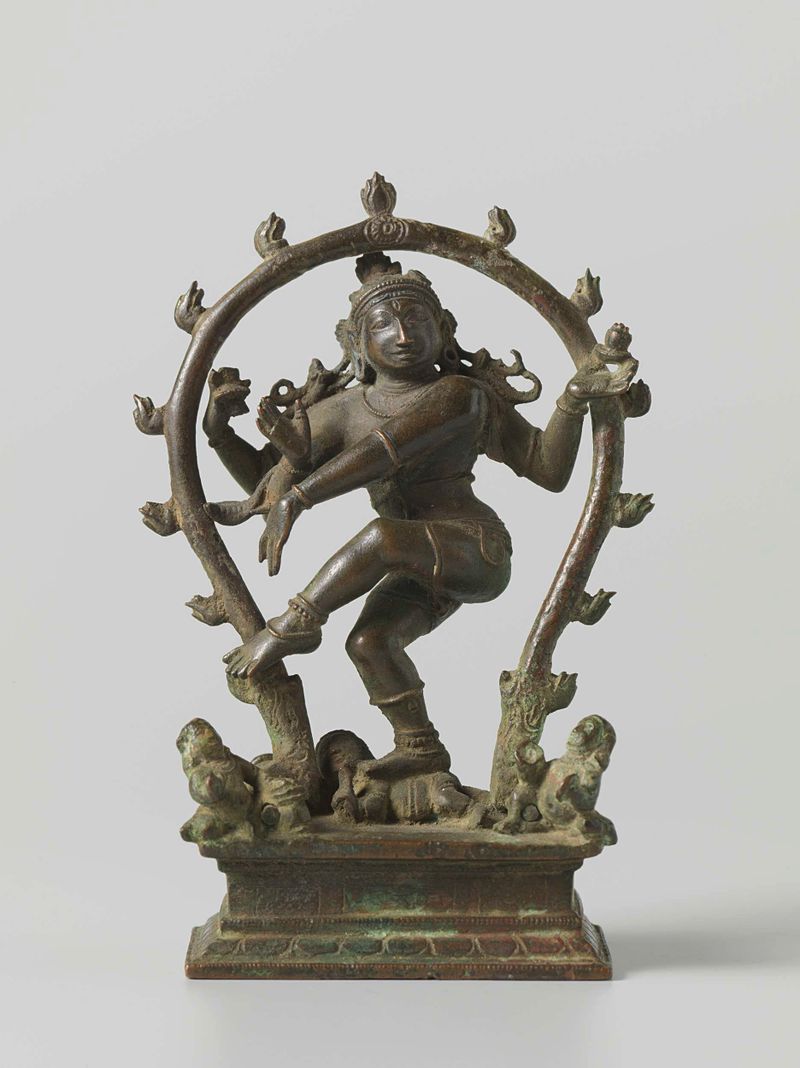
Shiva Nataraja
Unknown Artist

The Tale of Genji
Unknown Artist

The Tale of Genji
Unknown Artist
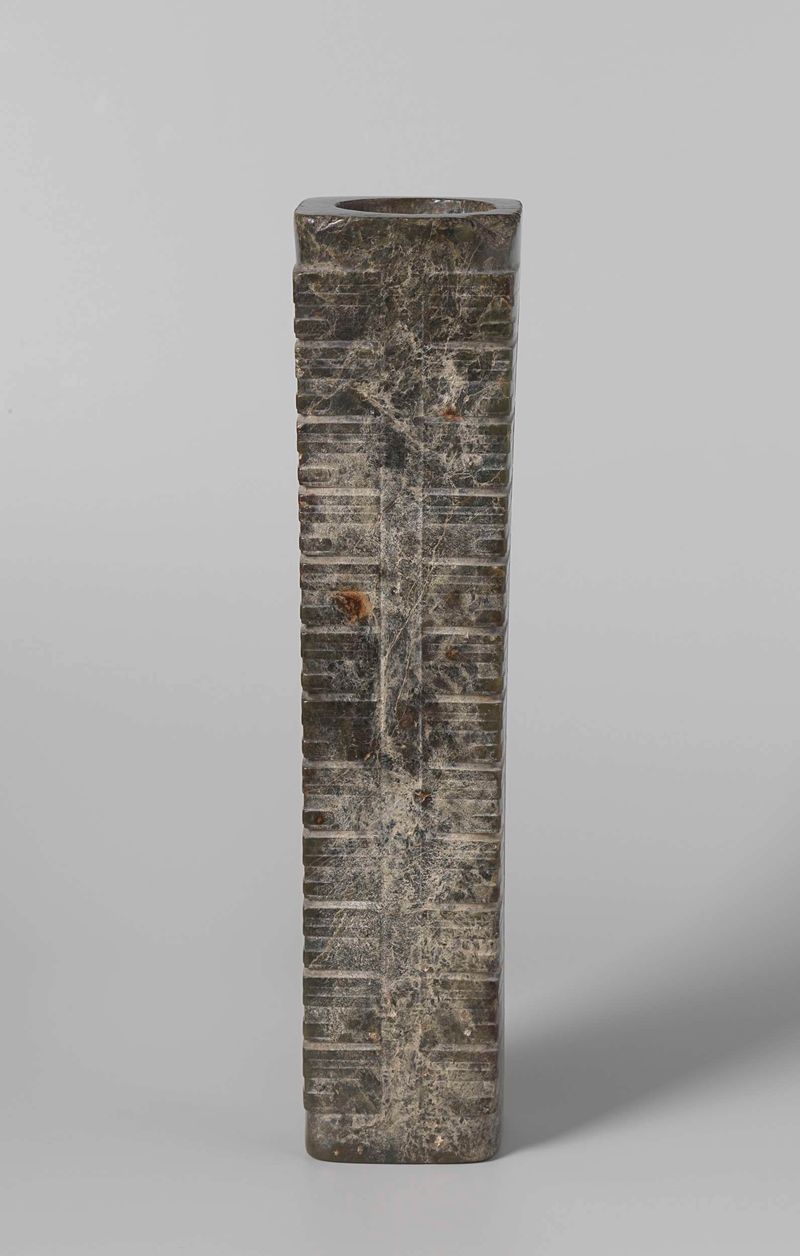
Cong
Unknown Artist
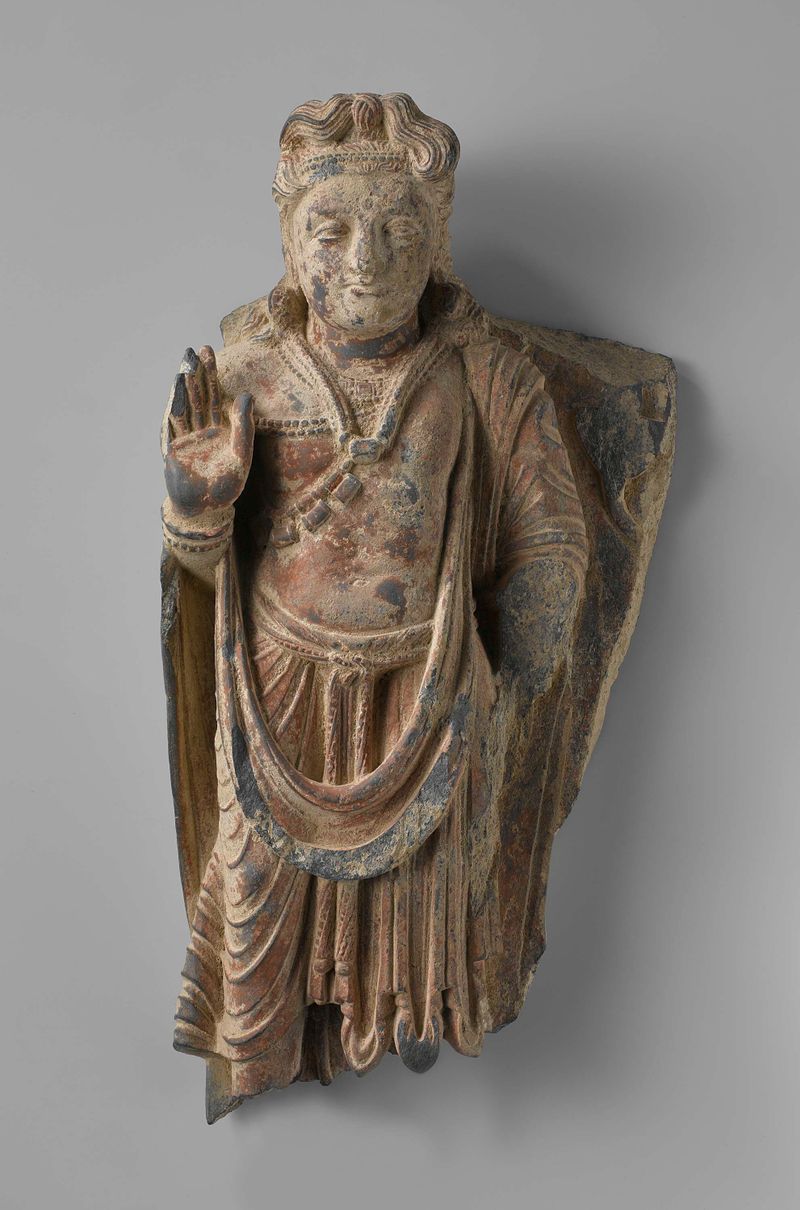
The bodhisattva Maitreya
Unknown Artist
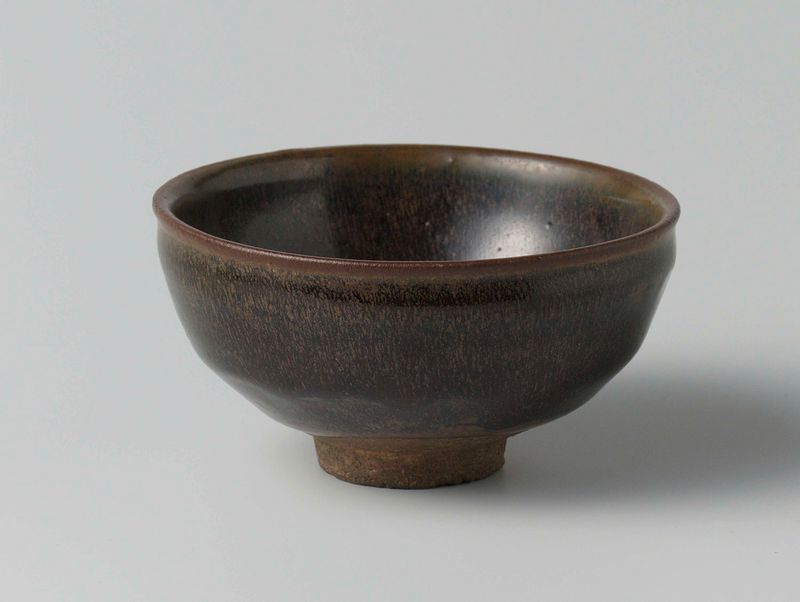
Teabowl with a 'hare's fur' glaze
Unknown Artist
More Architecture Art
Browse all →
The statue of Liberty
Frédéric Auguste Bartholdi

View of Houses in Delft, Known as ‘The Little Street’
Johannes Vermeer

View of Houses in Delft, Known as ‘The Little Street’
Johannes Vermeer

The Cathedral in Rouen. The portal, Grey Weather
Claude Monet

The yellow house
Vincent van Gogh

The Church in Auvers-sur-Oise, View from the Chevet
Vincent van Gogh