The Great Gallery in the Louvre — History & Facts
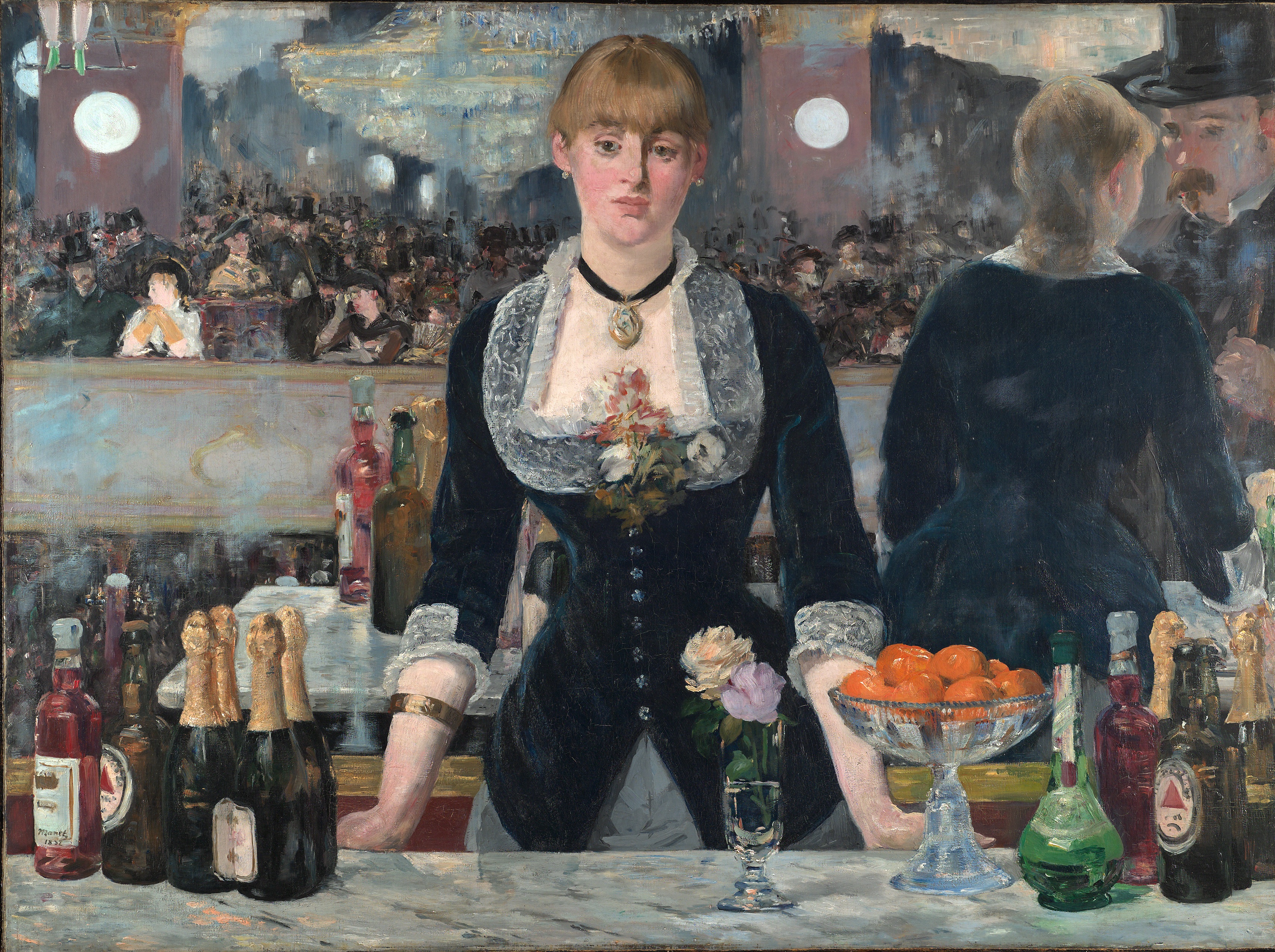
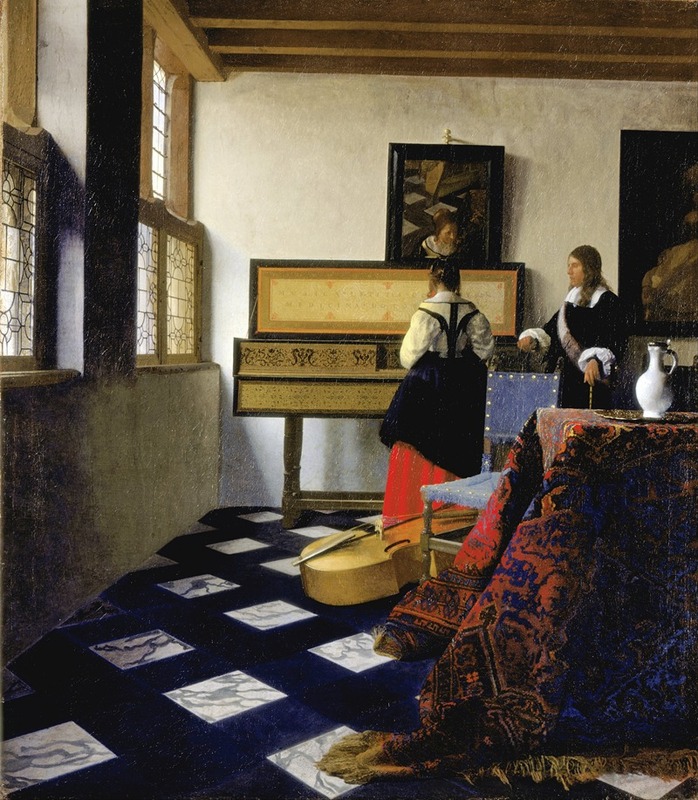
Who listens when art speaks of silence? In the hushed expanse of the Louvre, a world of revolution lies dormant, waiting for a spark to ignite its potential. Look to the center of the canvas, where an illustrious array of artworks is carefully arranged. Notice how the dim light filters through the grand windows, casting a soft glow on the polished wooden floors and illuminating the frames of the paintings. The intricate details of the architecture, with its soaring columns and ornate moldings, draw your eye upward, inviting a sense of awe and reverence toward the masterpieces that surround the viewer.
The muted color palette conveys a serene atmosphere, yet there is an undercurrent of tension, as if the very air thrums with whispers of change. As you delve deeper into the scene, observe the lone figure, a curator or perhaps a visitor, standing with a contemplative posture. This presence serves as a bridge between the art and the audience, embodying the silent conversation that unfolds within these hallowed walls. The juxtaposition of vibrant works of art against the stillness of the gallery underscores a poignant contrast: the dynamic nature of creativity versus the stasis of tradition, hinting at the societal upheaval that looms just beyond the gallery’s doors. In 1791, Bourgeois painted this work during a time of significant political turmoil and artistic awakening in France, shortly after the onset of the French Revolution.
As the country grappled with revolutionary fervor, the artist sought to capture the essence of the Louvre—transforming into a sanctuary for art and ideas amid the chaos of societal change. This piece reflects not only the reverence for artistic heritage but also an anticipation of the imminent evolution of culture and society itself.