
The Green At Banbury — History & Facts
In the wake of loss, how do we capture the essence of a moment that seems to slip from our grasp? Look to the center of the canvas, where verdant grass stretches luxuriously beneath a vast sky, painted in soft, pastel blues and delicate whites. The light dances across the surface, casting shadows that hint at the presence of unseen figures. Notice how the fluid brushwork creates a sense of movement, as if the very air is alive with whispers of nostalgia and memories that echo through time. Delve deeper into the subtle contrasts present in this artwork.
The vibrant greens signify life and renewal, yet they coexist with an underlying melancholy that permeates the scene. The sparse composition evokes a sense of solitude, drawing attention to the absence of figures that could have animated the space, further suggesting the weight of loss that hangs in the air. Each detail—the gentle sway of the grass, the soft hues of the sky—serves as a reminder of what has been left behind. Created in 1920, this work emerged during a period of significant change and reflection for Joseph Edward Southall, who was based in Birmingham, England.
The aftermath of World War I was still resonating, and the art world was grappling with the complexities of modernity. Southall, known for his intimate landscapes and attention to color, used this piece to explore themes of memory and sorrow, encapsulating the profound emotional landscape of his time.
More Artworks by Joseph Edward Southall
Browse all →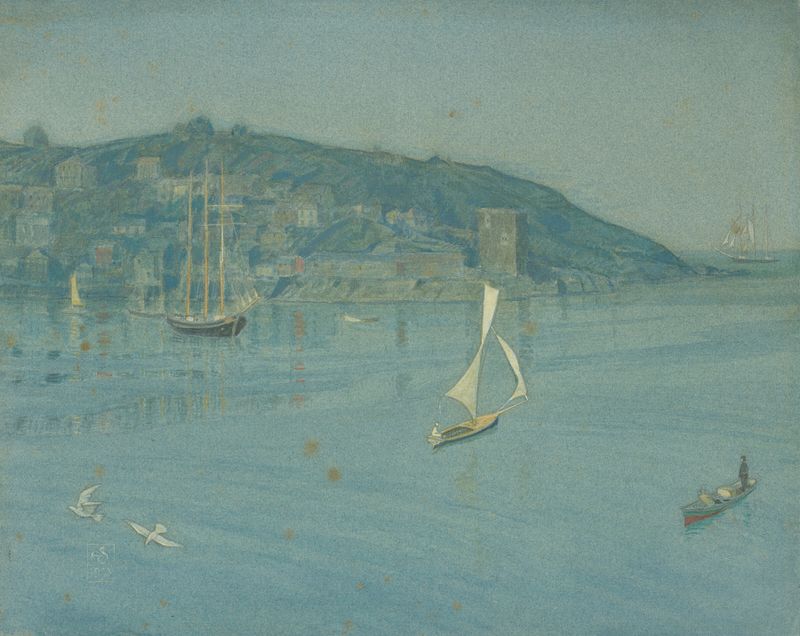
View of Polruan across the Fowey estuary, Cornwall
Joseph Edward Southall

Notre-Dame and the Seine
Joseph Edward Southall
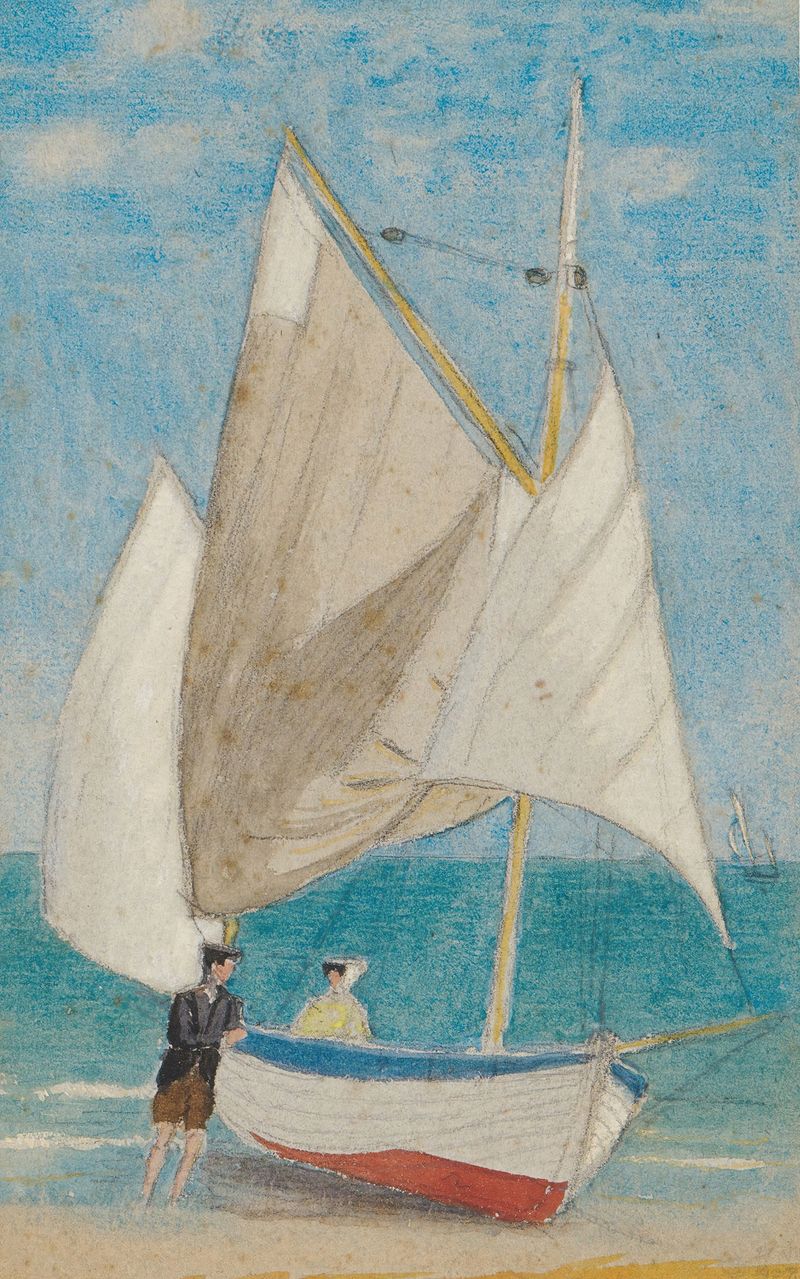
A Fishing Boat
Joseph Edward Southall
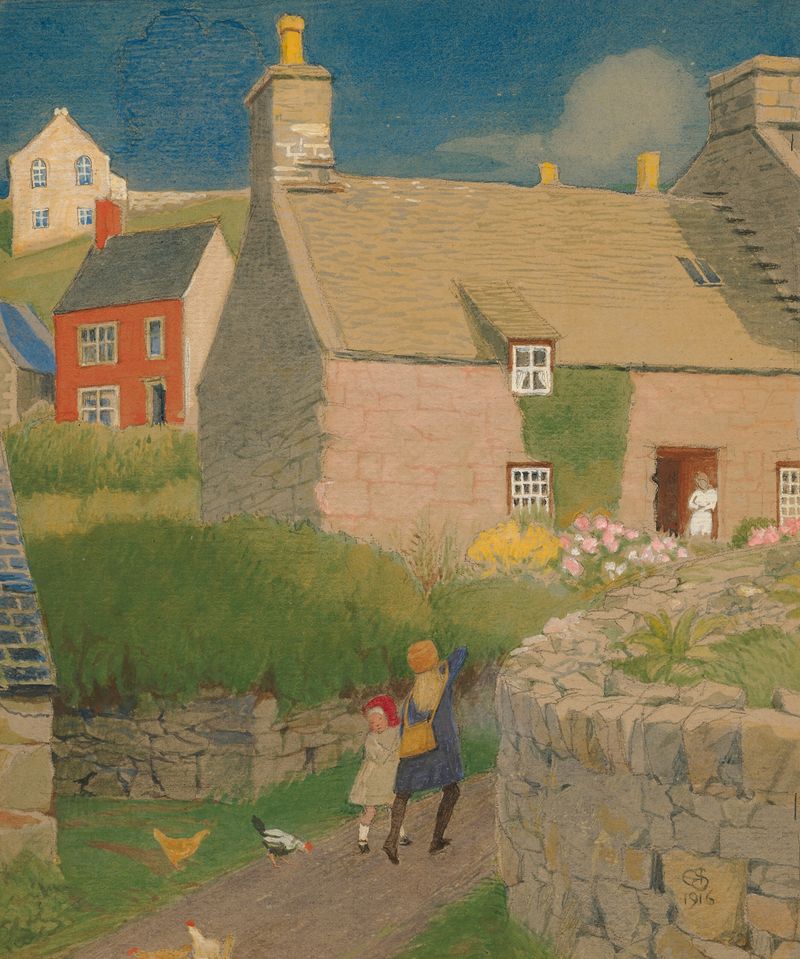
The Mill Cottage, Harlech, North Wales
Joseph Edward Southall
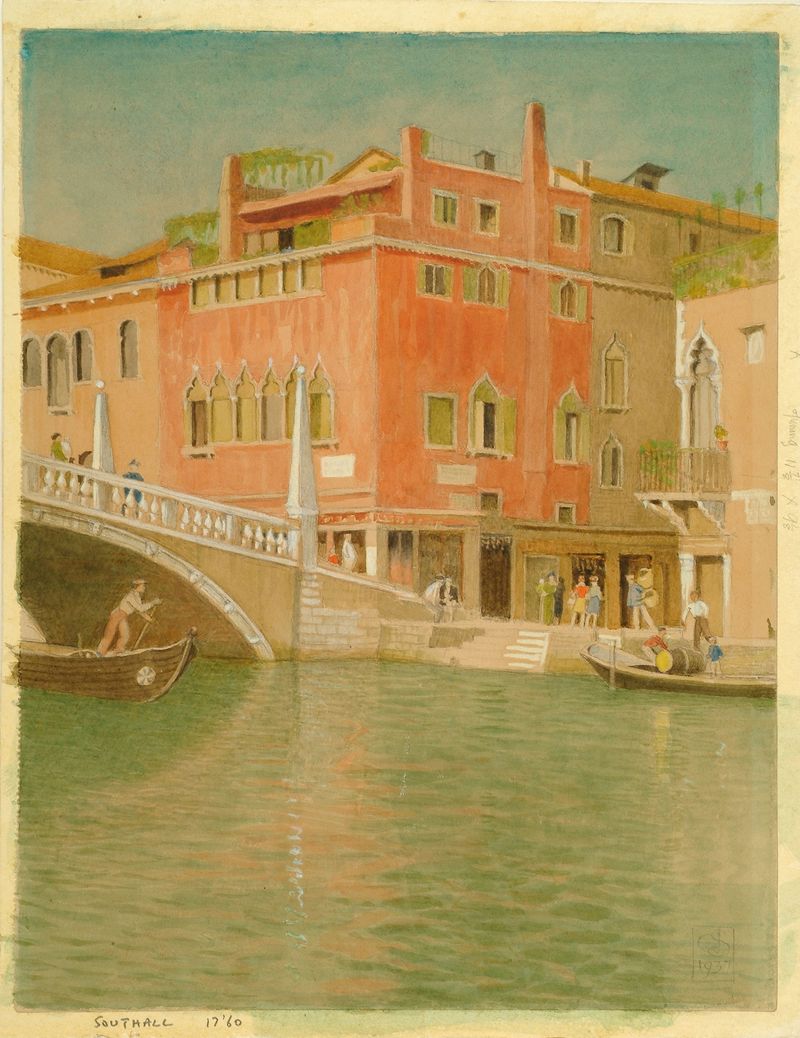
Ponte Cannareggio, Venice, Italy
Joseph Edward Southall
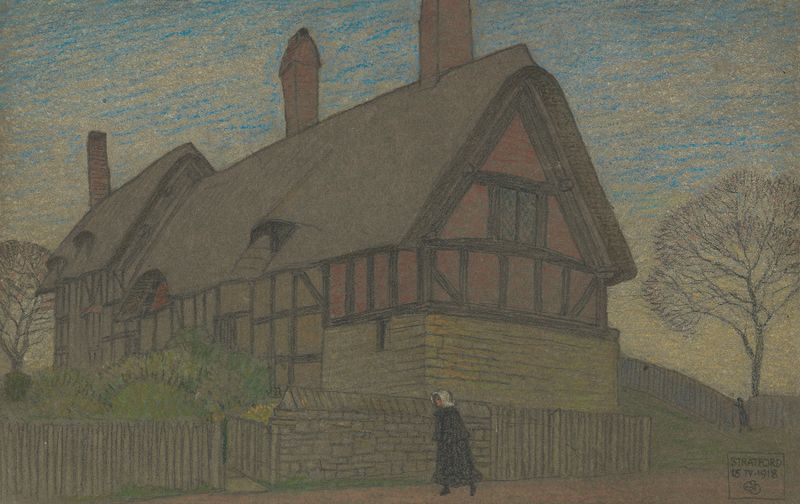
Ann Hathaway’s cottage, Stratford
Joseph Edward Southall
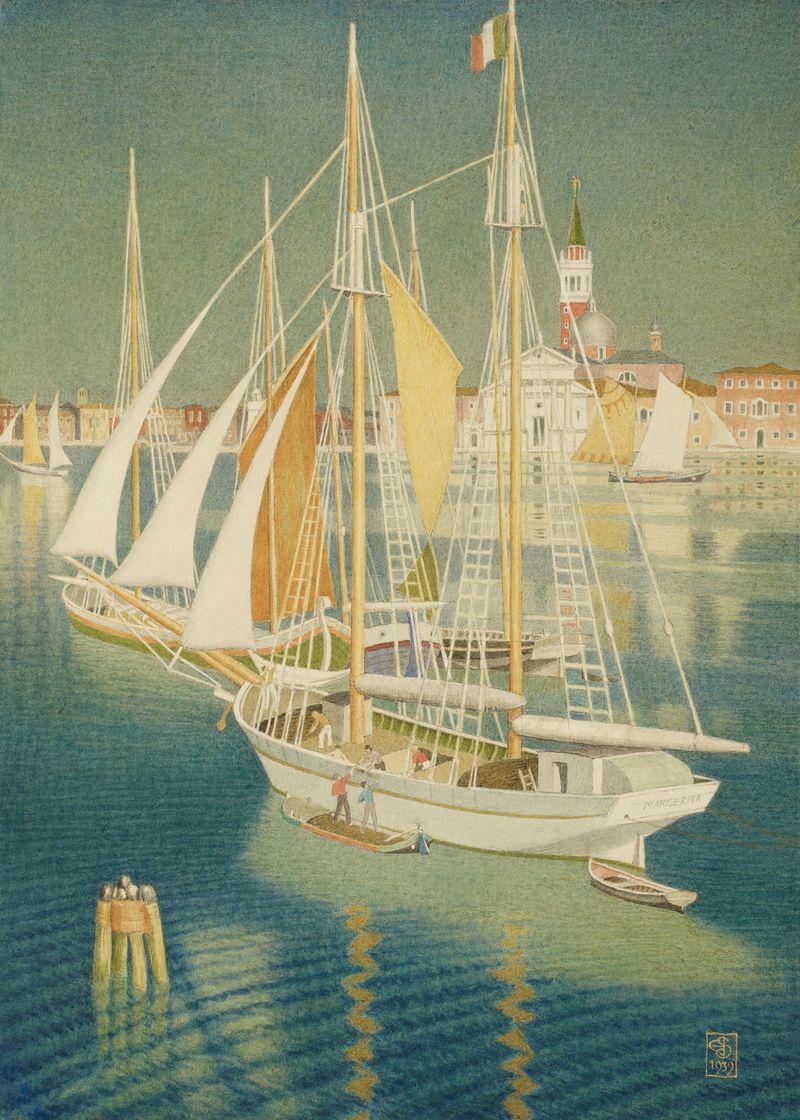
Ships from the Adriatic, Venice
Joseph Edward Southall

Rio Della Guerra, Venice
Joseph Edward Southall
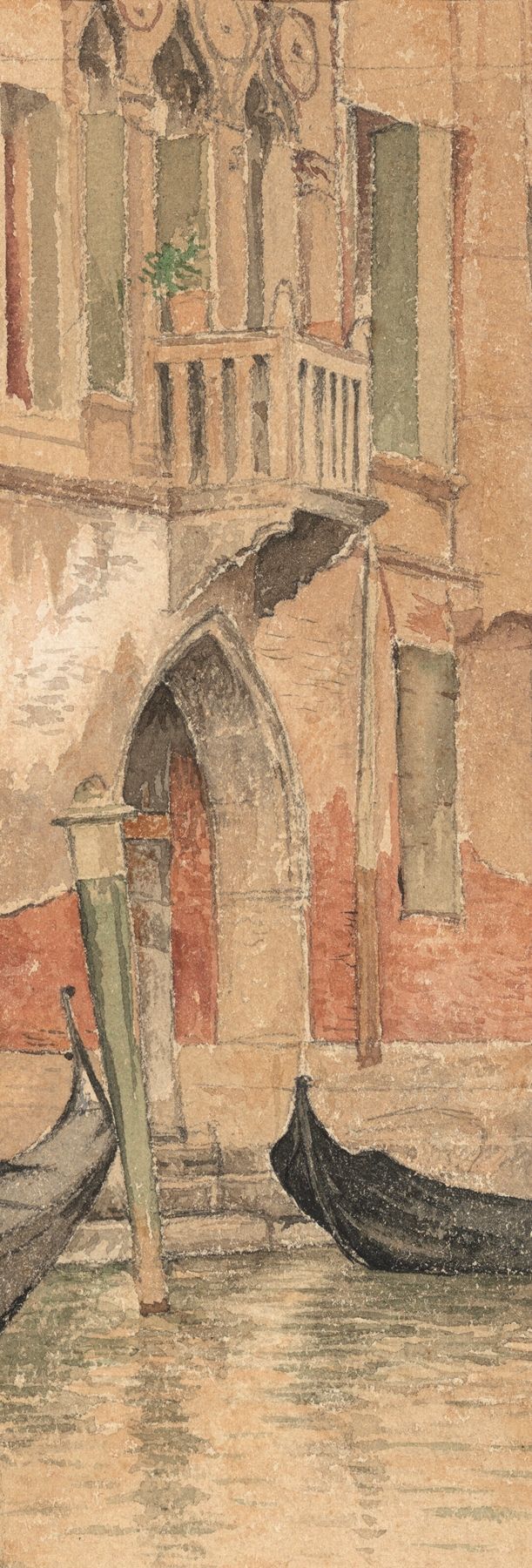
Marco Polo’s house, Venice, Italy
Joseph Edward Southall
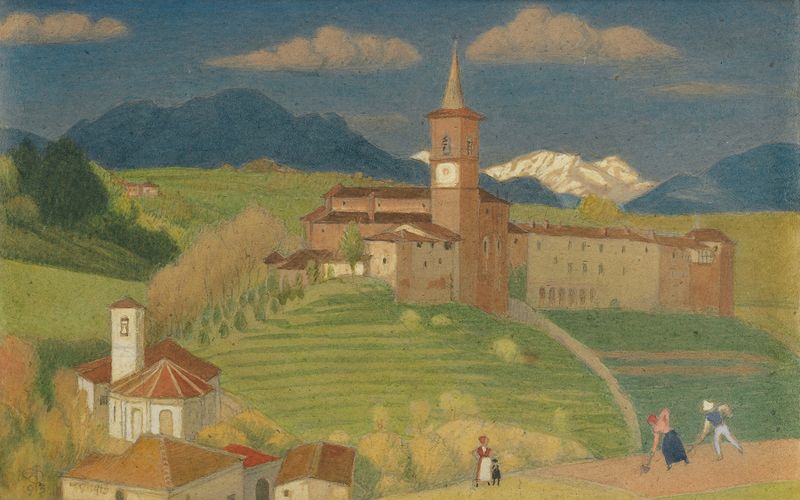
Castiglione D’Olona, Lombardy
Joseph Edward Southall





