The Heron Disturbed — History & Facts
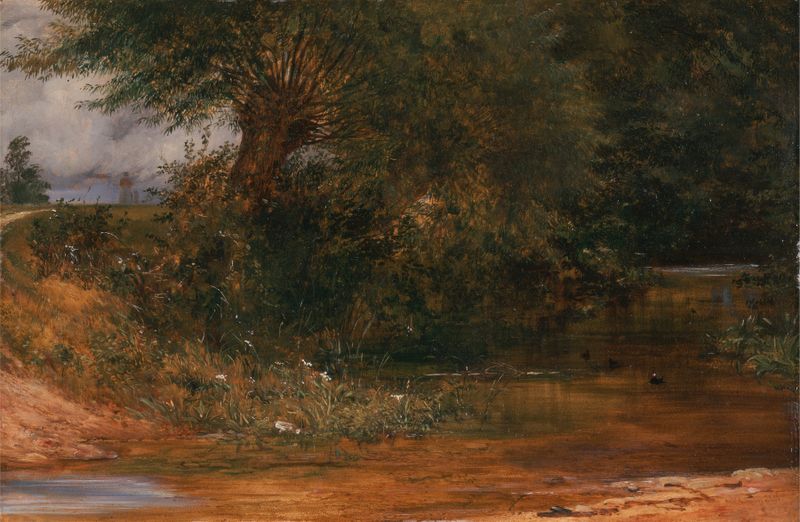
In The Heron Disturbed, beauty unfurls through the delicate interplay of nature and emotion, inviting the viewer to pause and reflect. Look to the left at the heron, poised and regal, its slender neck elegantly arched against the soft greens of the marsh. Notice how the light glints off the feathers, dancing with shadows that hint at the weight of the moment. The muted palette, punctuated by the quiet blue of the water, creates a serene atmosphere, yet the tension stirs as the heron, disturbed, prepares to take flight.
The ripples in the water contrast with the stillness of the surrounding foliage, drawing the eye to the moment of imminent departure. Hidden within this tranquil scene lies the tension between chaos and calm. The heron, a symbol of grace, stands on the brink of disruption — a reminder of nature's precarity. The juxtaposition of its poised elegance against the tumult of its surroundings evokes a deeper reflection on beauty's vulnerability.
The surrounding flora, rich in detail, speaks to the lushness of life, yet shadows hint at an unseen disturbance, whispering stories of hidden struggles. In the early 1850s, Richard Redgrave painted this work during a time when the Pre-Raphaelite movement was gaining momentum, emphasizing the need for a return to detail and vivid color in art. Living in England, Redgrave was influenced by the changing landscape around him, both in nature and society. As he captured this delicate moment, he wove together his experiences with the beauty and fragility of the world, capturing the essence of a fleeting, yet profound, moment in time.