The Housekeeper — History & Facts
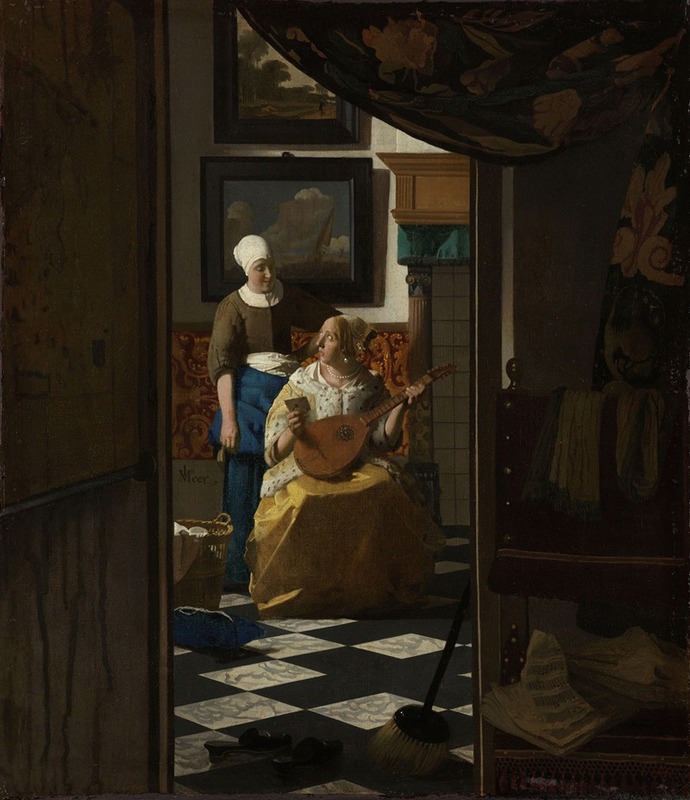
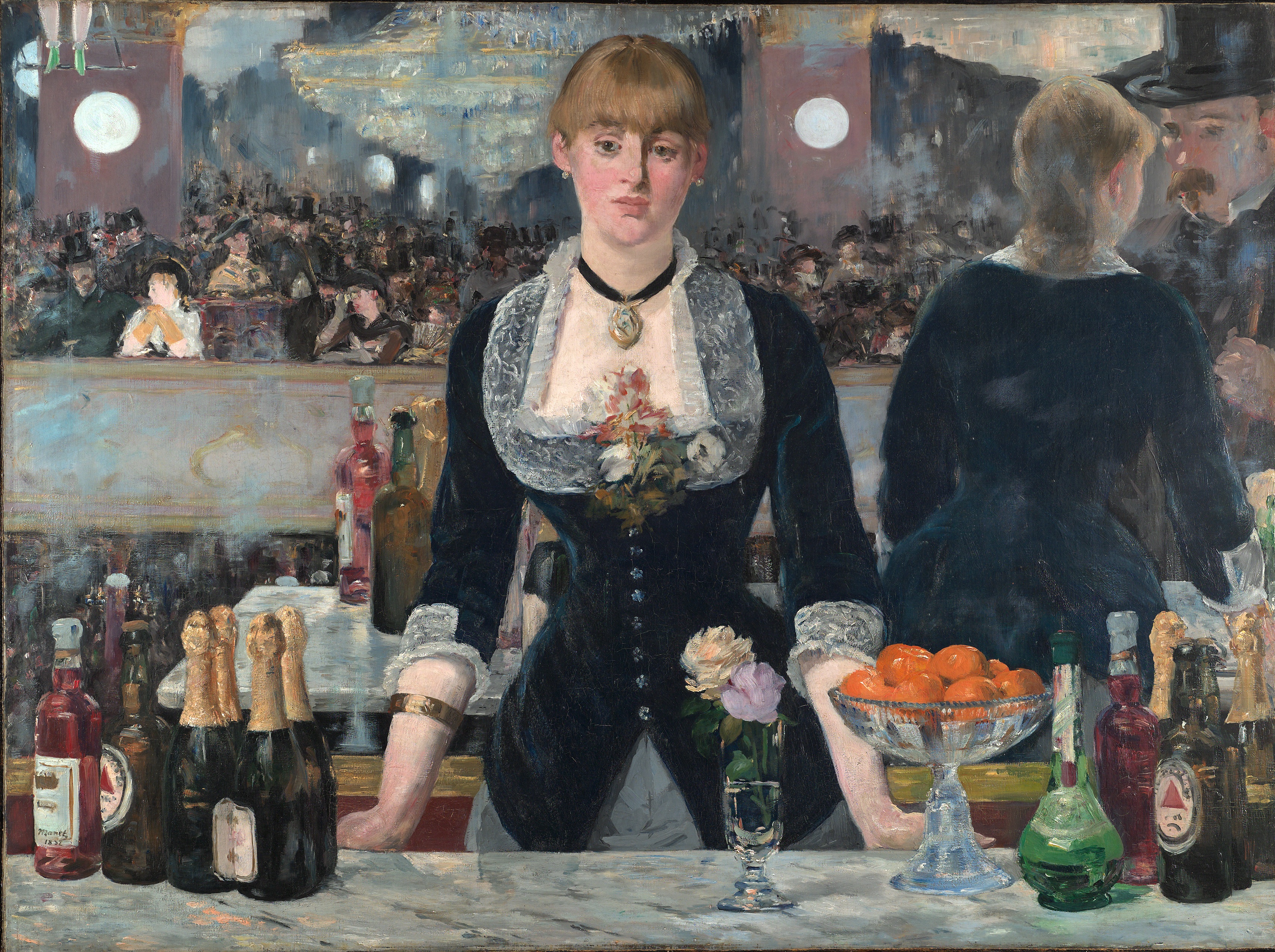
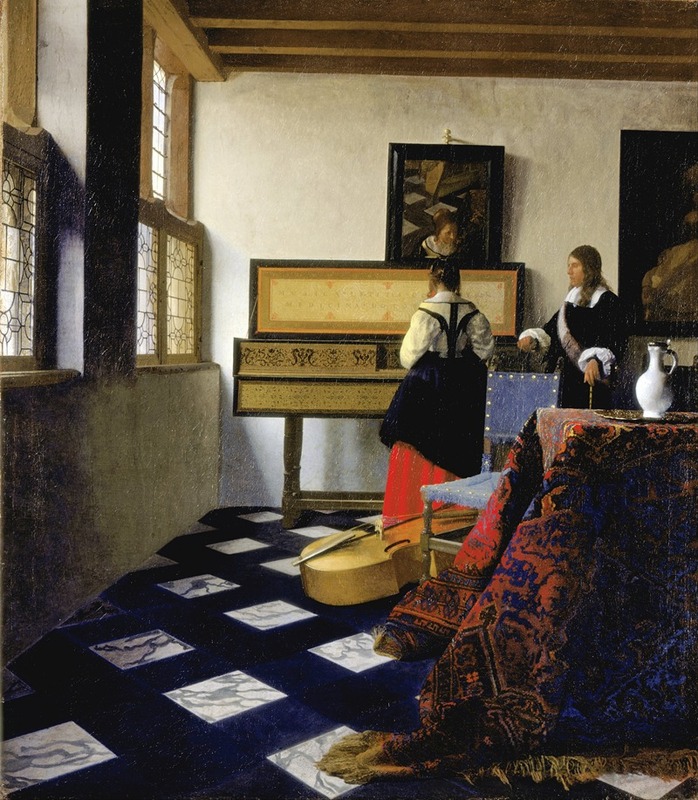
In a world where the mundane intertwines with the profound, the quiet moments hold the heaviest truths. Focus first on the housekeeper, her posture both attentive and weary, set against the backdrop of a well-furnished yet intimate domestic space. The play of light across the wooden table illuminates her form, highlighting both her labor and her solitude. Notice how the muted colors of browns and creams evoke a sense of warmth, while the gentle shadows hint at the unseen burdens she carries.
The delicate arrangement of objects around her—an open book, a glass of wine—whispers of life’s transience, orchestrating a narrative that unfolds with each glance. Delve deeper into the composition where the juxtaposition of the housekeeper’s stillness against the scattered items creates a tension between the mundane and the existential. The objects on the table don’t merely serve a functional purpose; they symbolize the fleeting nature of domestic life and the passage of time. The hollow space around her accentuates her isolation, suggesting a longing for connection in a world where silence speaks volumes.
Each brushstroke reveals not just her task, but the weight of mortality, as if she is both present and a specter of the past. Sorgh created this piece in 1657, during a period marked by the rise of genre painting in the Netherlands. Living in Amsterdam, he was influenced by the burgeoning interest in everyday life, reflecting the societal shifts of the time. The artist’s meticulous attention to detail and the emotional depth of his subjects reveal a keen awareness of the human condition, capturing not just scenes, but the very essence of life itself.