The Labyrinth (Horta, Barcelona) — History & Facts
How often do we overlook its silent testimony, capturing moments suspended in time, like a breath held before release? In this work, look to the left at the intricate pathways that weave through the labyrinth, each line a whisper of the past. The soft hues of ochre and muted greens create a dreamlike quality, inviting the eye to wander and explore the depths of this complex maze. Notice how the subtle gradations of light shift across the surfaces, hinting at the passage of time, as if the labyrinth itself breathes, pulsating with hidden stories waiting to be uncovered. Beneath the surface, there are emotional tensions that resonate with the viewer.
The labyrinth symbolizes not just a physical space but the intricacies of life's journey—each turn represents choices made and paths taken. The play between light and shadow evokes a sense of uncertainty, suggesting that while we seek direction, the way is often obscured. The labyrinth becomes a metaphor for the human experience, wrapped in the paradox of clarity and confusion. Around 1898, when this piece was created, Mir Trinxet was immersed in the artistic milieu of Barcelona.
This era marked a shift towards modernism, as artists began to explore new forms and concepts. The city was a vibrant hub of innovation and change, reflecting a broader European movement that sought to break free from traditional constraints. In this context, the labyrinth serves not only as a visual exploration but also as a philosophical inquiry into the nature of existence during a time of profound transformation.
More Artworks by Joaquin Mir Trinxet
Browse all →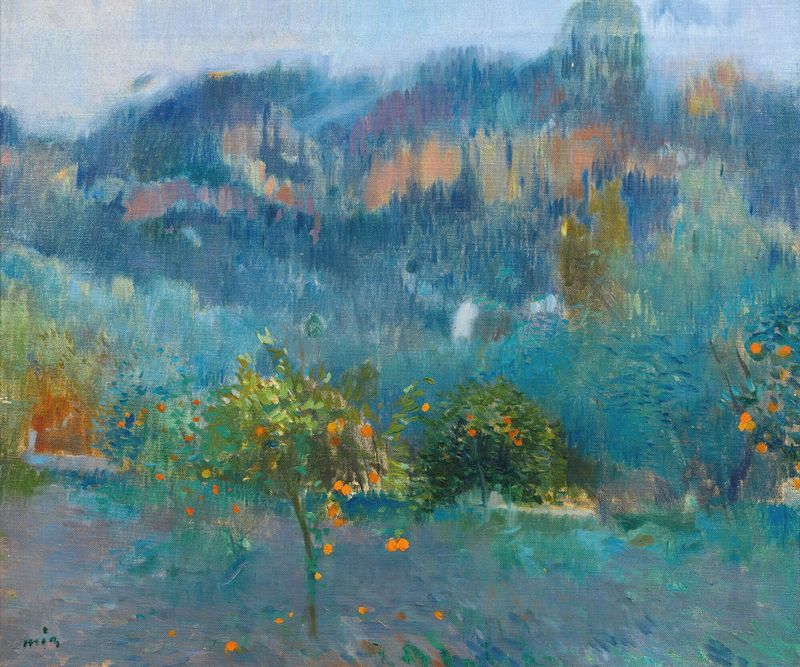
Paisaje Mallorquín Con Naranjos
Joaquin Mir Trinxet
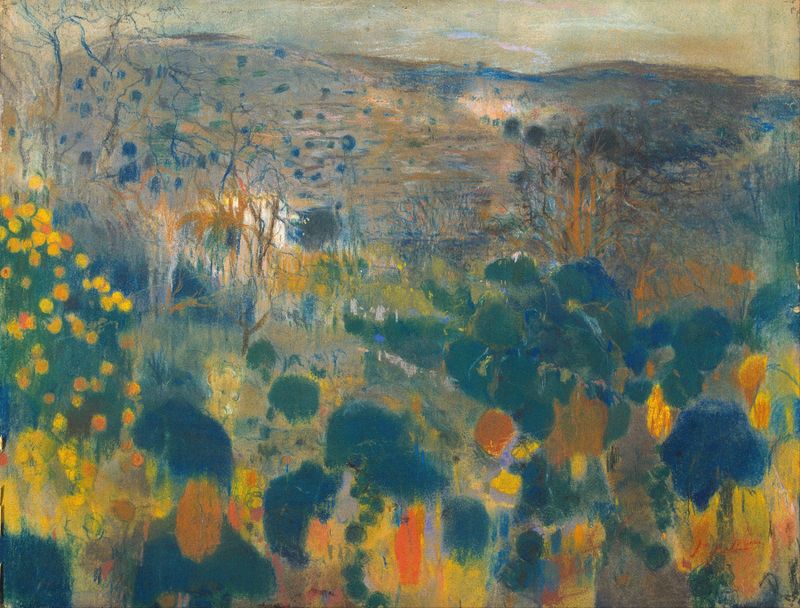
Landscape
Joaquin Mir Trinxet

Spanish Jardin
Joaquin Mir Trinxet
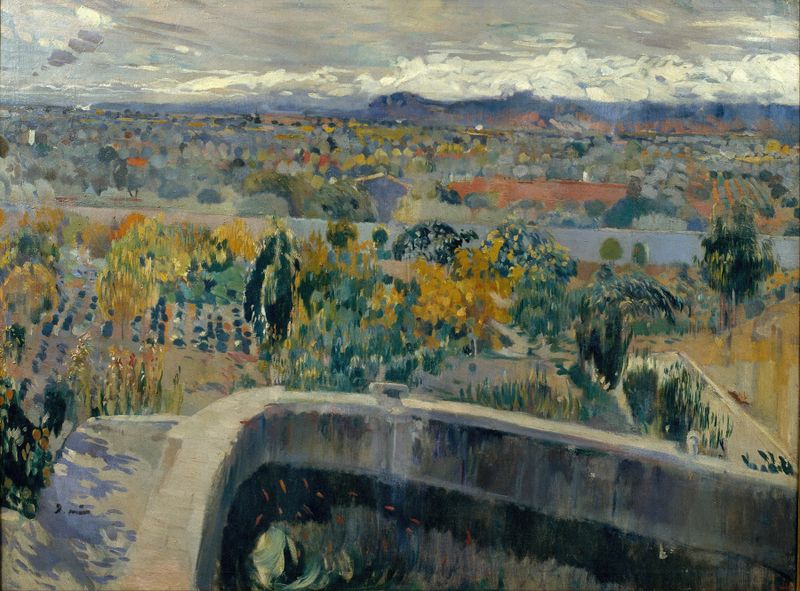
The New Pond
Joaquin Mir Trinxet

View of L’Aleixar
Joaquin Mir Trinxet
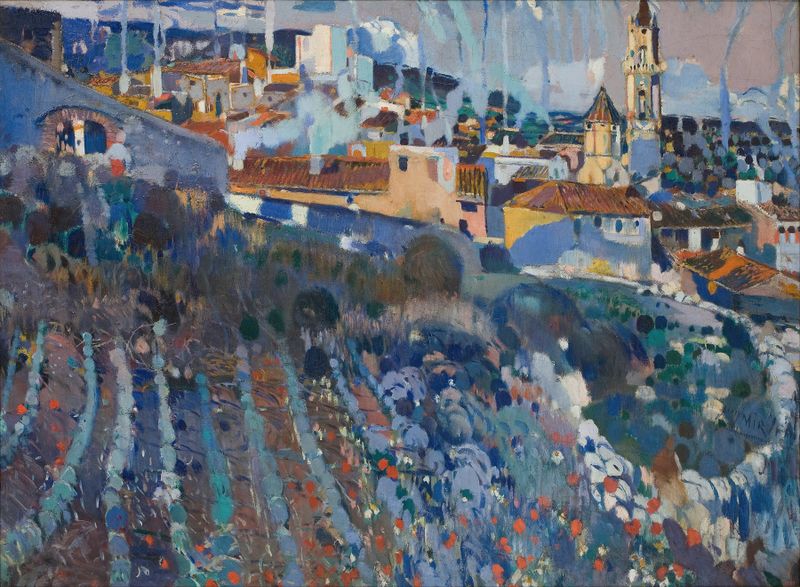
Terraced Village
Joaquin Mir Trinxet
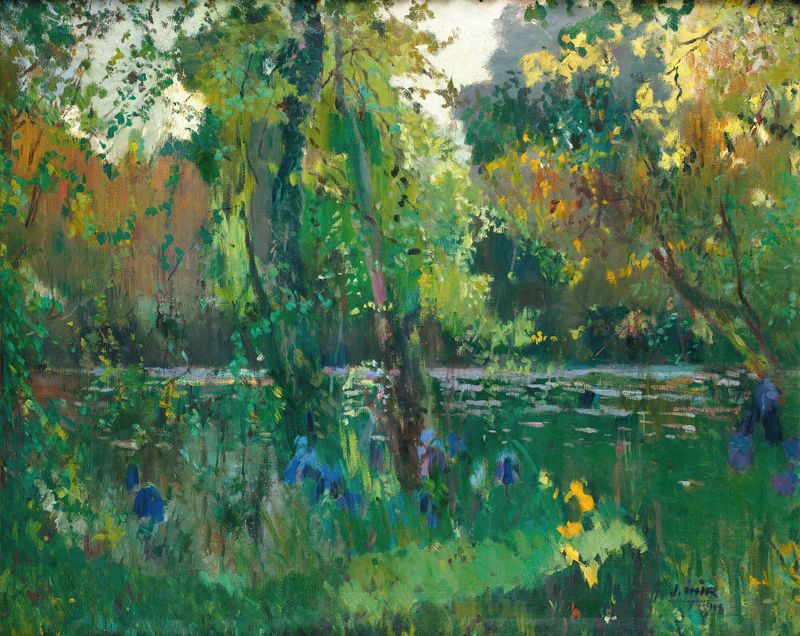
Riverbank In The Forest
Joaquin Mir Trinxet
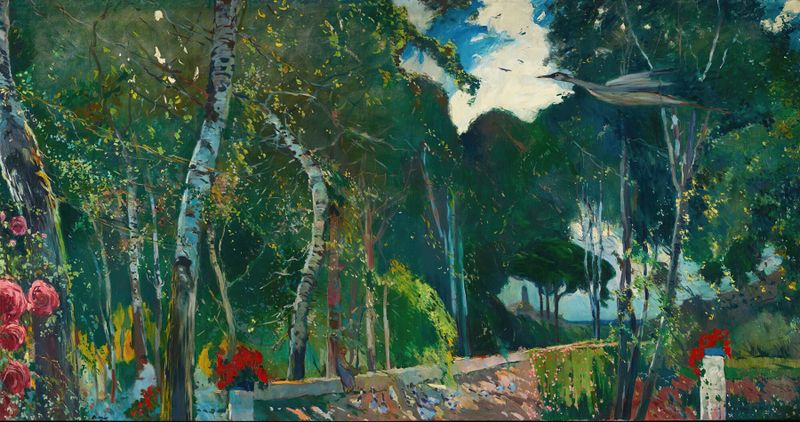
El Mas Blau
Joaquin Mir Trinxet
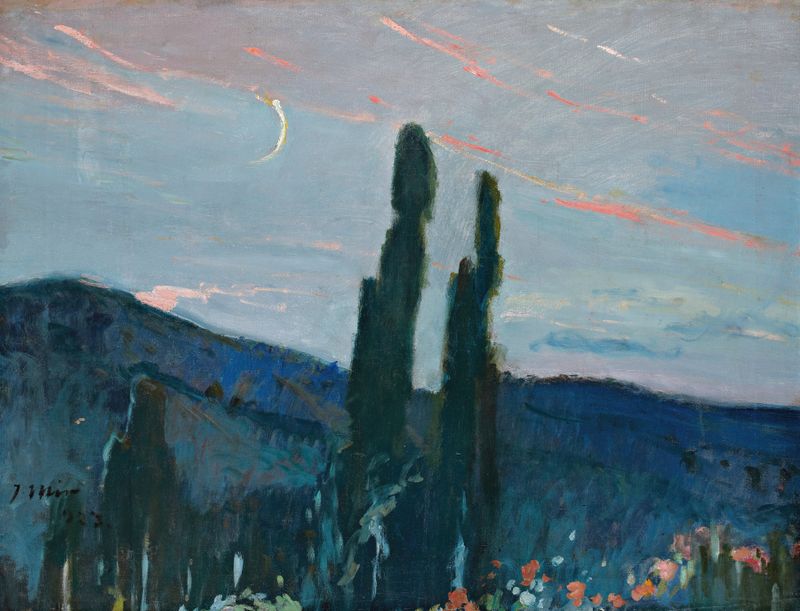
Atardecer (Twilight)
Joaquin Mir Trinxet
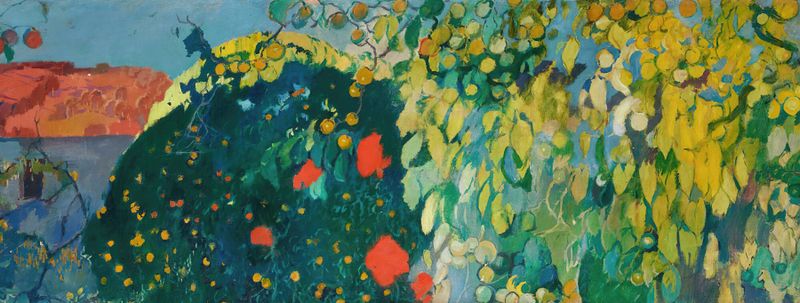
Paisaje Enmarcado Por Grandes Árboles
Joaquin Mir Trinxet