
The Lavatory Tower, Canterbury, Kent — History & Facts
Who listens when art speaks of silence? In The Lavatory Tower, Canterbury, Kent, a poignant legacy of an unseen past whispers through the stillness captured upon the canvas. Look closely at the delicate brushstrokes that outline the tower’s aged façade. The muted palette of greys and browns conveys a sense of history weighed down by time, while the soft glow of light tracing the edges suggests an air of nostalgia. Notice how the tower emerges from a lush backdrop, its stoic presence juxtaposed against the surrounding greenery, drawing you in to contemplate its significance within the landscape.
The careful composition invites the eye to wander, reflecting on the remnants of what once was. Within this scene lies a contemplation of impermanence. The weathered stone, though strong, is also a reminder of the passage of time and the fragility of human constructs. Each crack, every shadow, carries with it the stories of countless visitors, echoing the laughter and whispers that have long faded.
The tension between the tower’s steadfastness and the encroaching nature symbolizes the inevitable reclamation by the earth, urging viewers to consider what legacies we leave behind. During an undetermined period, Capt. Francis Grose created this work, likely inspired by the rich history of Canterbury. As a military officer and antiquarian, Grose was deeply engaged with the exploration of Britain’s cultural heritage.
In a time when the Romantic movement flourished, he sought to document and preserve historical sites, reflecting a broader artistic trend that valued nostalgia and the significance of place in shaping identity.
More Artworks by Capt. Francis Grose
Browse all →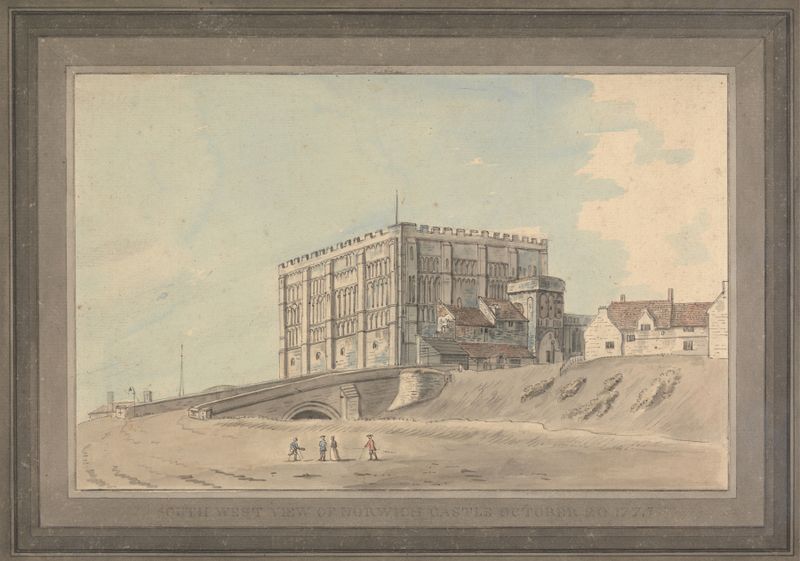
South West View of Norwich Castle
Capt. Francis Grose
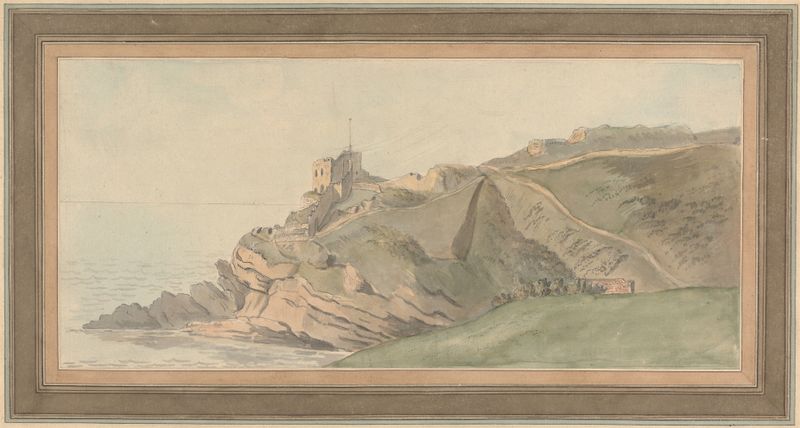
St. Catherine’s Castle at Fowey, Cornwall
Capt. Francis Grose

Canterbury Cathedral, Kent
Capt. Francis Grose
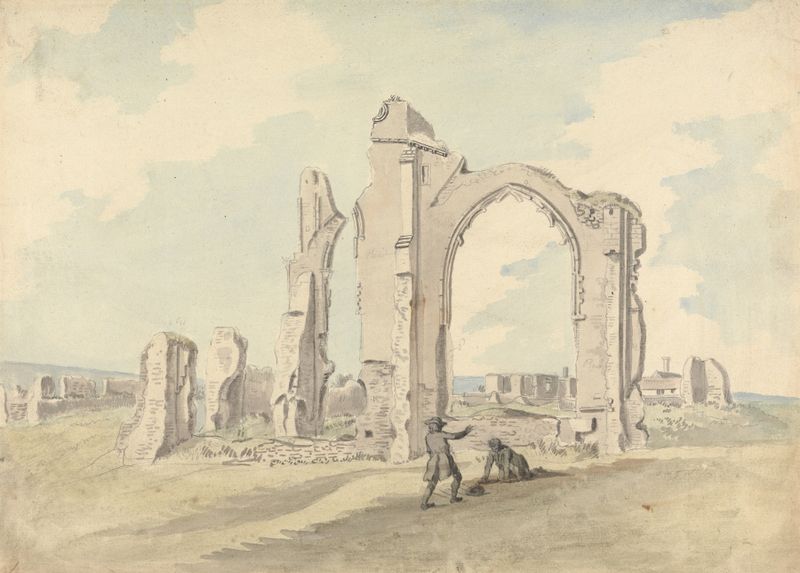
St. Mary’s Priory, Thetford
Capt. Francis Grose

Languard Fort on the River Orwell
Capt. Francis Grose

Mitford Castle, Northumberland
Capt. Francis Grose
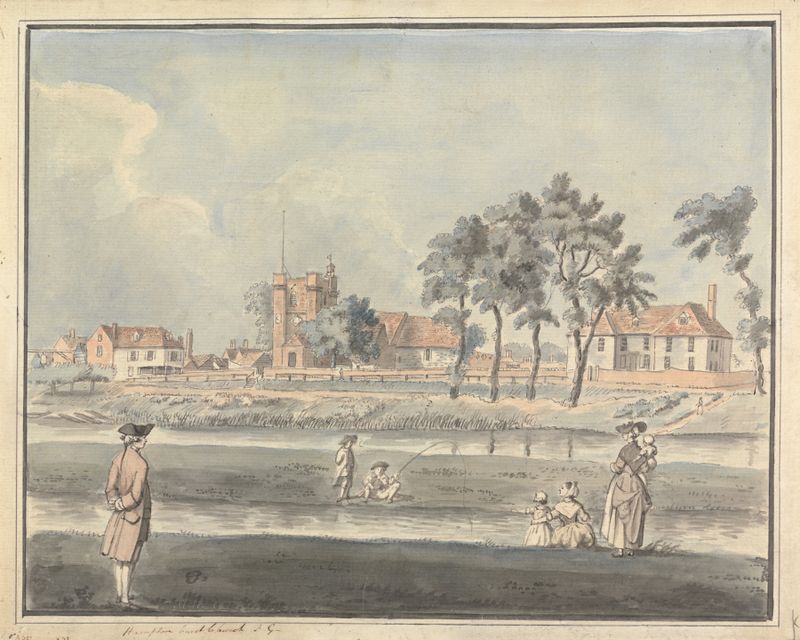
Hampton Court Church
Capt. Francis Grose

Chapel of St. Michael’s Mount
Capt. Francis Grose
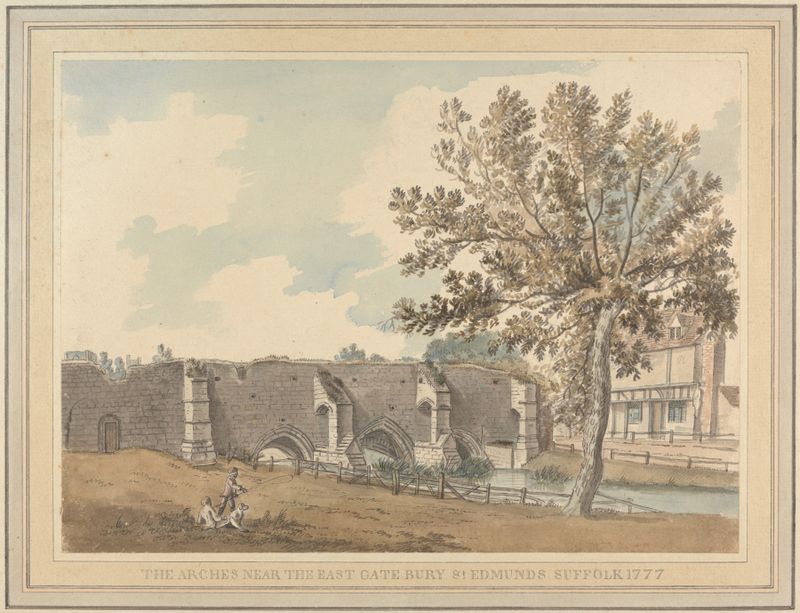
The Arches Near the East Gate, Bury St. Edmunds Suffolk
Capt. Francis Grose

Norham Castle, Northumberland
Capt. Francis Grose
More Architecture Art
Browse all →
The statue of Liberty
Frédéric Auguste Bartholdi

View of Houses in Delft, Known as ‘The Little Street’
Johannes Vermeer

View of Houses in Delft, Known as ‘The Little Street’
Johannes Vermeer

The Cathedral in Rouen. The portal, Grey Weather
Claude Monet

The yellow house
Vincent van Gogh

The Church in Auvers-sur-Oise, View from the Chevet
Vincent van Gogh