The Leith — History & Facts
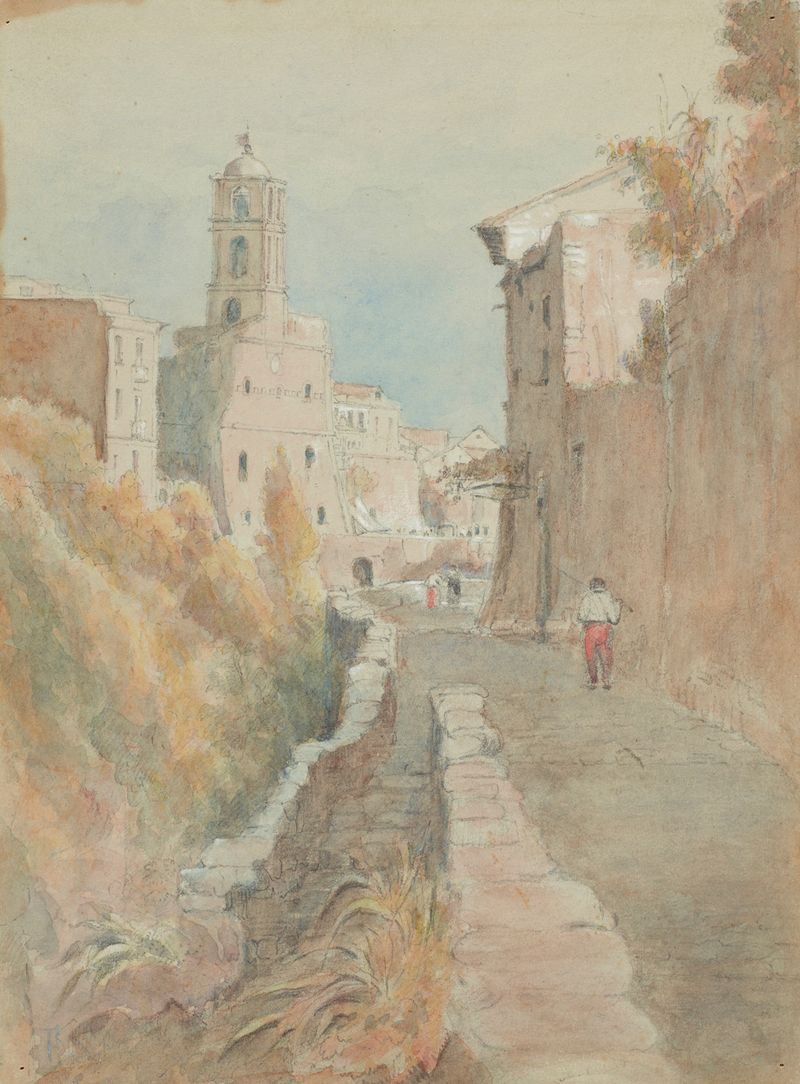
Is this a mirror — or a memory? The vibrant hues of The Leith shimmer with a past that begs to be revisited, inviting viewers to ponder the depths of color and emotion intertwined within its brilliant strokes. Focus on the swirling blues and greens that dominate the canvas, drawing your gaze toward the water’s surface, where reflections dance and ripple. The interplay of light and shadow creates a sense of movement, as if the scene is alive and breathing. Notice how the warm tones of the foliage contrast with the cool colors of the river, emphasizing the harmony and tension between nature and the fleeting moment captured on the canvas. As you explore further, consider the silhouettes of the trees framing the river, their shapes echoing the delicate balance of life that permeates the scene.
The colors evoke a sense of nostalgia, perhaps hinting at personal stories and memories that are both intimate and universal. This painting captures not just a place, but a feeling — an emotional landscape that resonates with anyone who has paused to reflect by the water’s edge. In 1894, Frances Hodgkins was working in New Zealand, where her connection to both the landscape and her artistic identity was still unfolding. This period marked a transition for her as she began to blend impressionistic styles with her own responses to the vibrant surroundings.
The art world was evolving, and Hodgkins was at the forefront, experimenting with color and form to establish her distinctive voice, one that would continue to shape her legacy in the years to come.