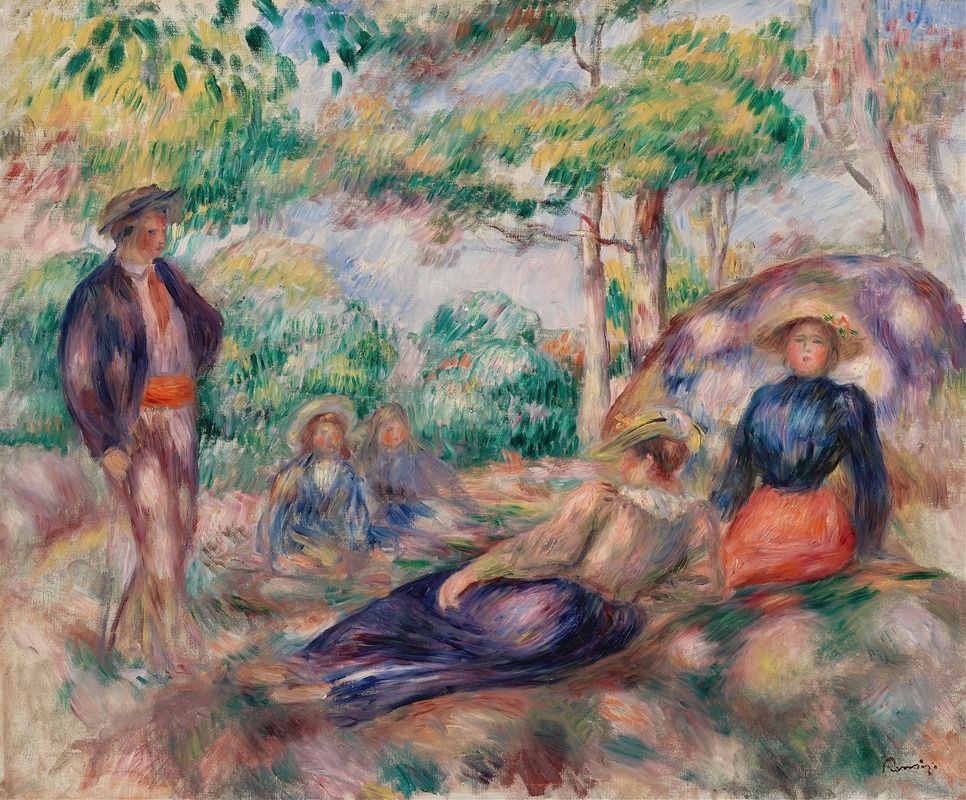
Discover insights about this artwork
The Little Schoolmistress — History & Facts
In The Little Schoolmistress, Jean Siméon Chardin presents a warm scene filled with soft colors and gentle light. The young schoolmistress is depicted in a simple yet inviting classroom, surrounded by attentive children. The use of pastel tones creates a calm atmosphere, enhancing the focus on the figures.
The expressions of the children convey curiosity and engagement, making the viewer feel a sense of connection to the scene. Chardin's technique in this painting showcases his skill in rendering textures and details. The brushwork is delicate, particularly in the depiction of the schoolmistress's clothing and the children's faces. The composition is balanced, with the figures arranged harmoniously within the space.
The painting is executed in oil on canvas, a medium that allows for rich color and depth. Jean Siméon Chardin was known for his ability to capture everyday life with sincerity and warmth. This work, painted around 1735, reflects the Rococo style, characterized by its playful themes and light-hearted subjects. An interesting fact about this painting is that it emphasizes the importance of education during a time when formal schooling for children was becoming more common in France.
Chardin's focus on the schoolmistress highlights the role of women in education, a significant theme in his oeuvre.
More Artworks by Jean Siméon Chardin

The White Tablecloth
Jean Siméon Chardin
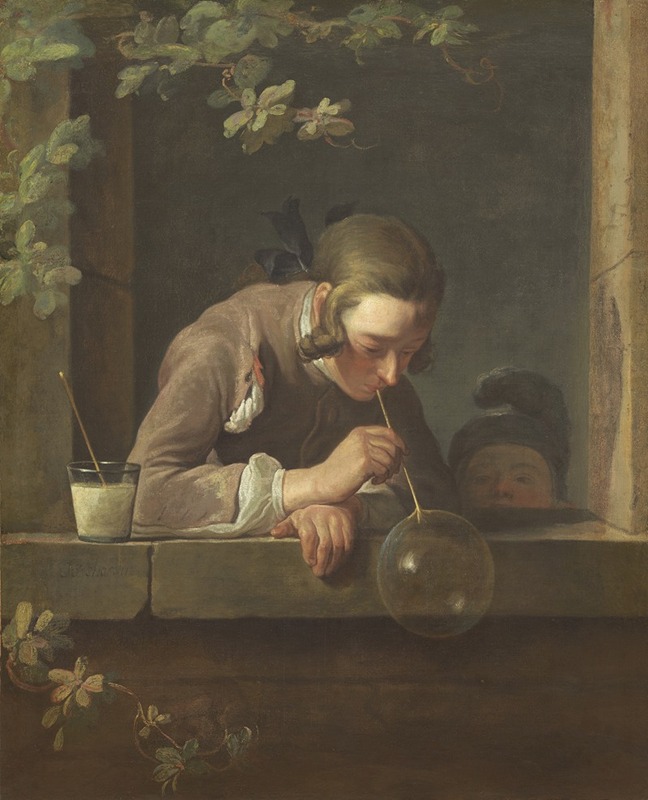
Soap Bubbles
Jean Siméon Chardin
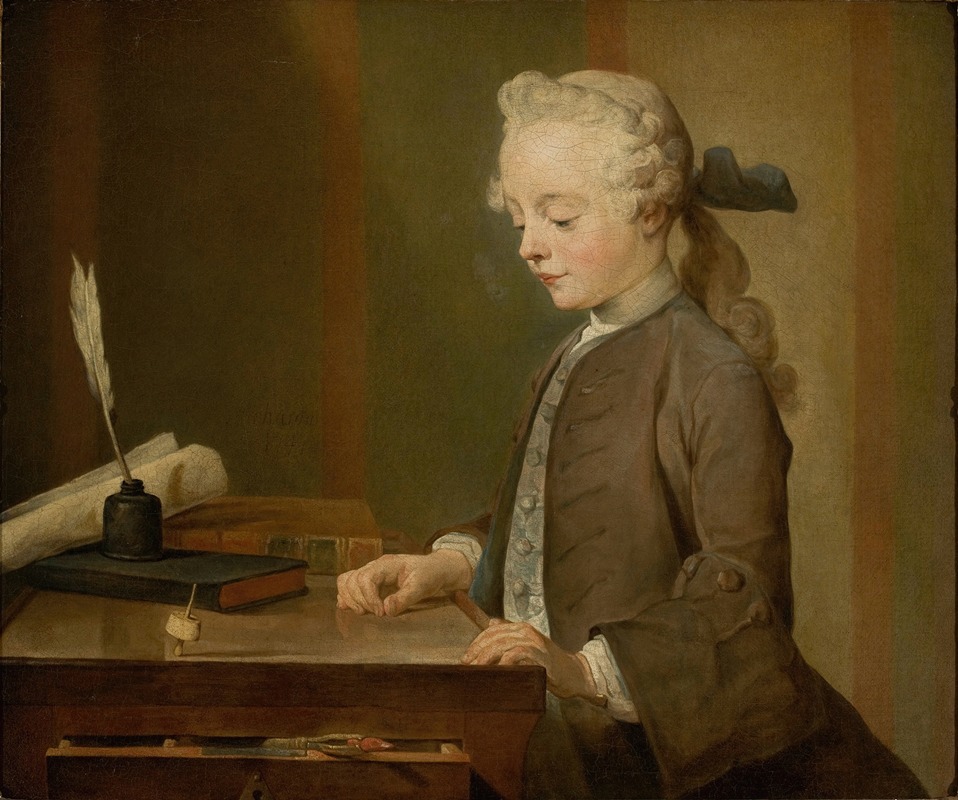
Portrait of Auguste Gabriel Godefroy
Jean Siméon Chardin
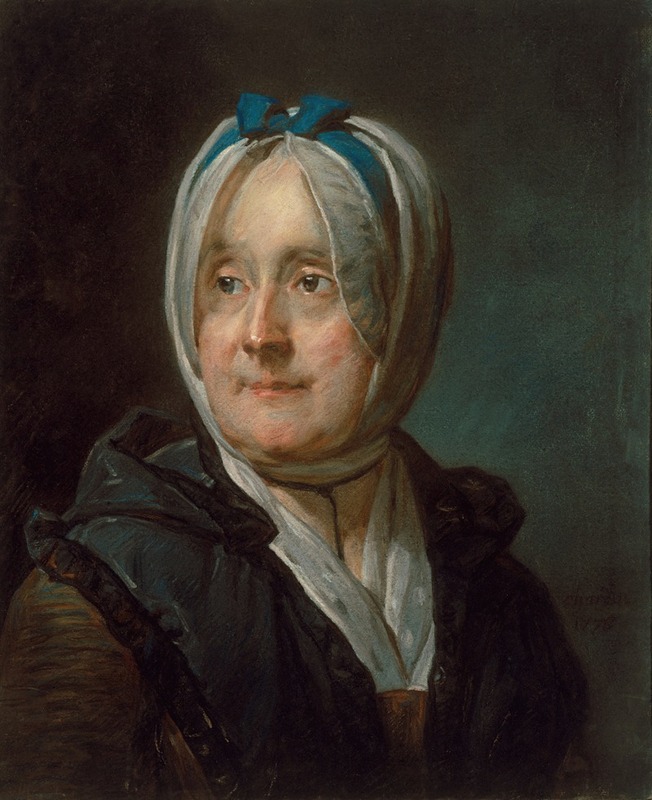
Portrait of Madame Chardin
Jean Siméon Chardin
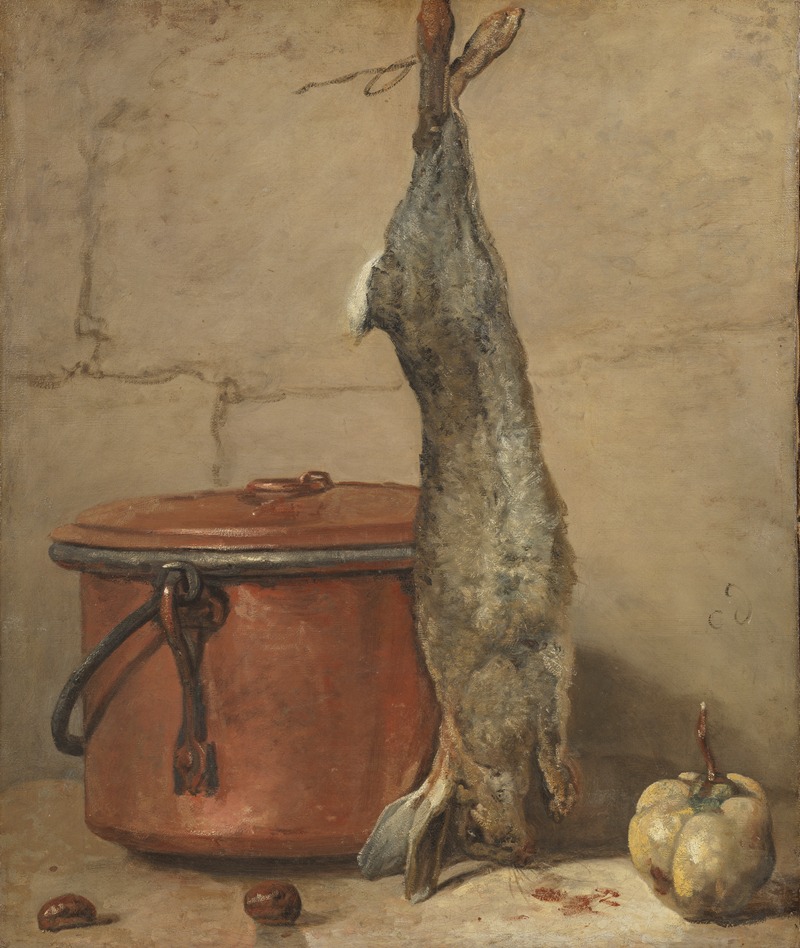
Rabbit and Copper Pot
Jean Siméon Chardin
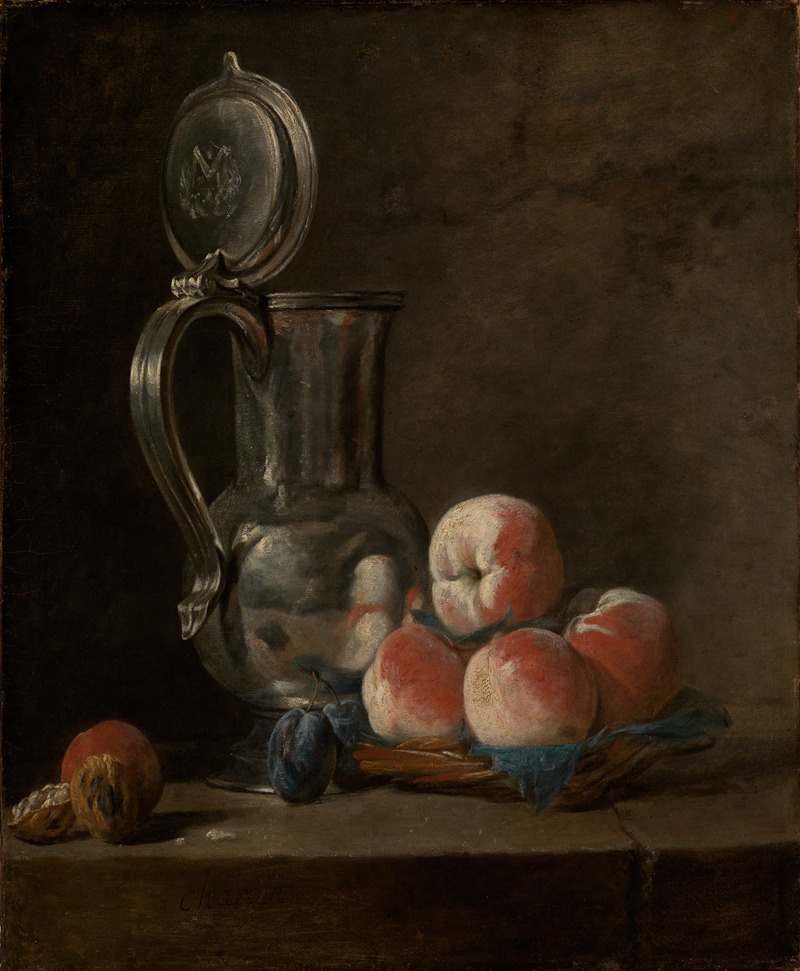
Still life with pewter jug and peaches
Jean Siméon Chardin
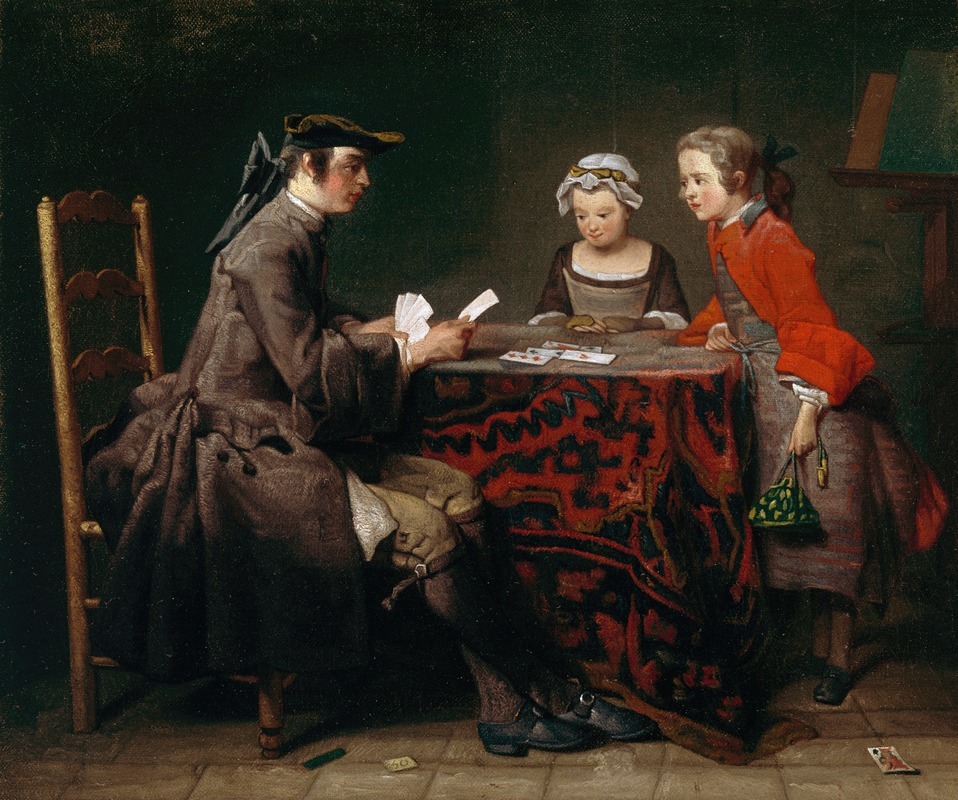
Les Tours de Cartes
Jean Siméon Chardin
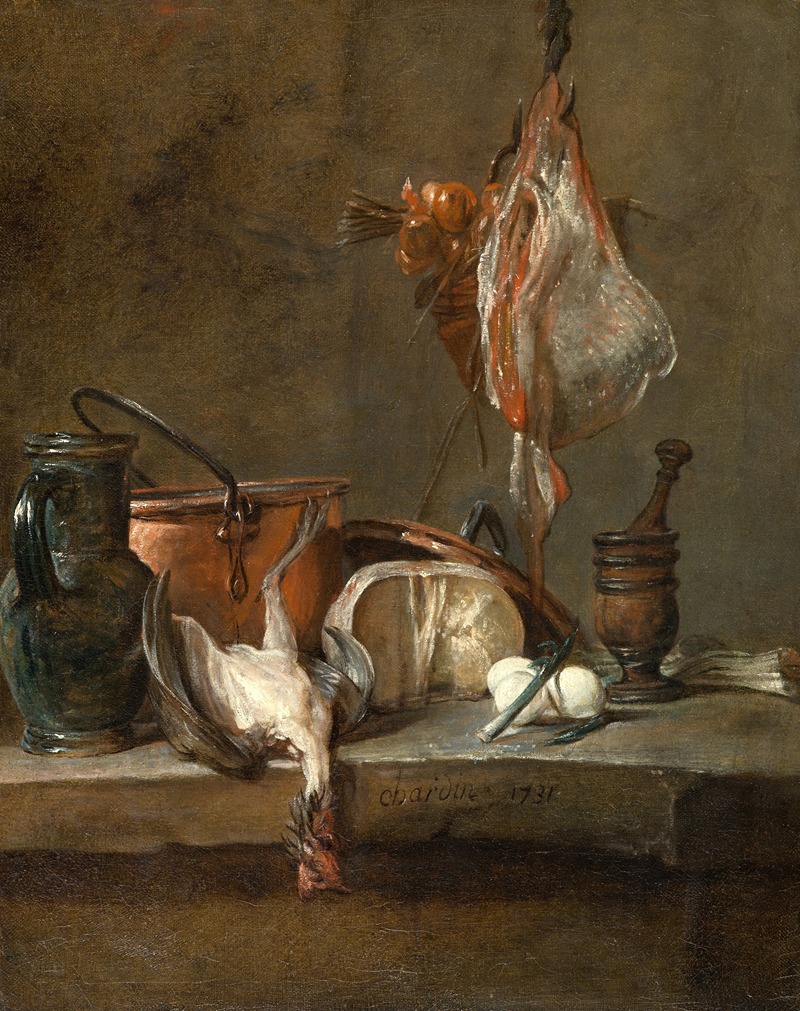
Still Life with Ray and Basket of Onions
Jean Siméon Chardin
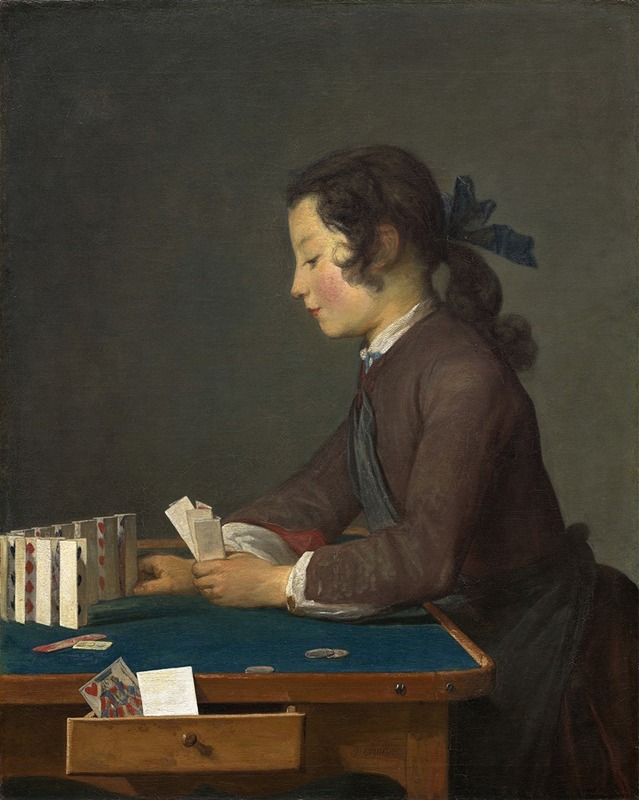
The House of Cards
Jean Siméon Chardin
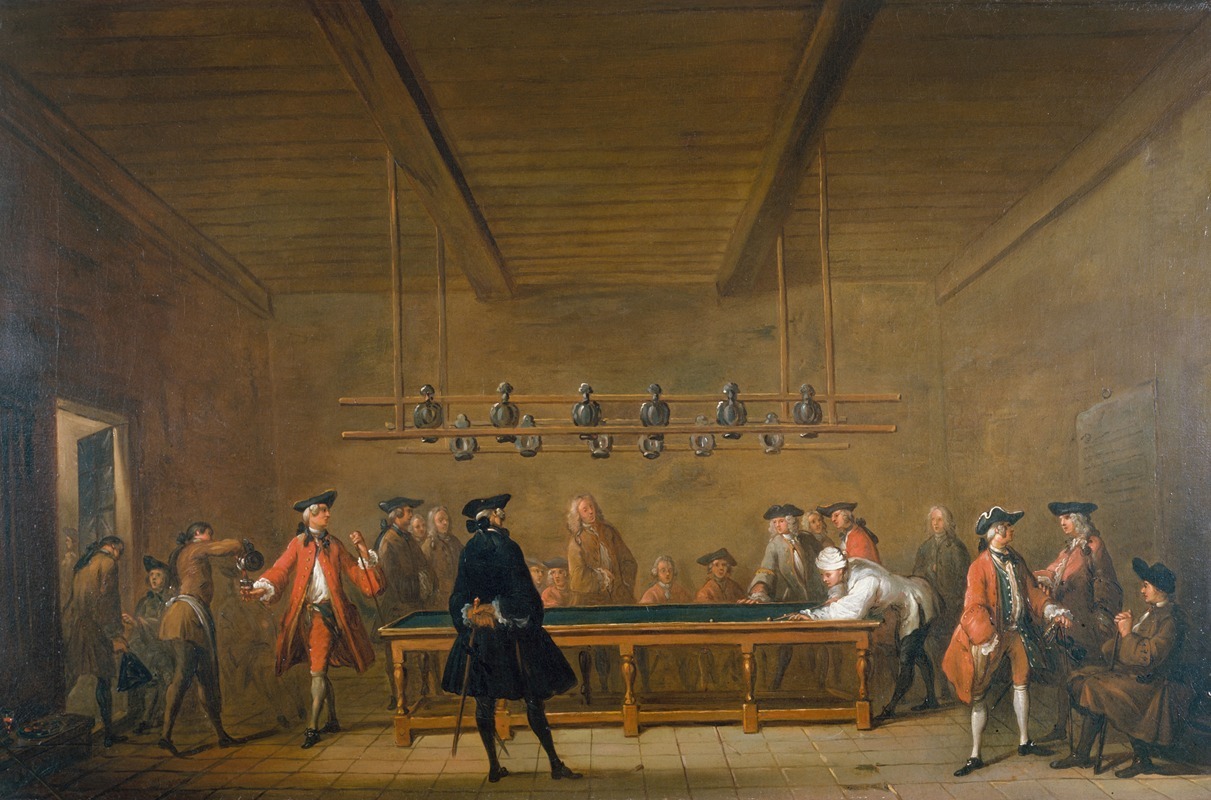
La Partie de billard
Jean Siméon Chardin