
The Lysaker River In Winter — History & Facts
In the quiet solitude of winter, when nature rests and emotions lie dormant, a river flows unseen, yet deeply felt. The depths of betrayal are often hidden beneath the surface, just as the life in the icy waters remains concealed beneath a fragile crust of snow. Look closely at the rippling surface near the center; the nuanced shades of blue and gray blend seamlessly, hinting at the hidden currents beneath. Notice how the cold light bathes the landscape, casting soft shadows that mingle with the branches of snow-laden trees.
The gentle curves of the river draw the eye, inviting contemplation of its icy embrace, while the unwavering stillness of the scene evokes a sense of melancholy and introspection. As your gaze wanders, consider the contrasting elements within the painting: the stark whiteness of the snow against the deep blues of the water suggests a delicate balance between purity and betrayal. The stillness of the scene may evoke feelings of isolation, yet within that silence lies a rich tapestry of unspoken emotions, each brushstroke whispering secrets of the natural world and human experience alike. Created during the late 19th century, The Lysaker River In Winter reflects Thaulow’s keen observation of nature while also aligning with the broader context of Impressionism, where artists sought to capture fleeting moments and the interplay of light. At this time, the artist was exploring the interplay of landscape and emotional depth, living in Norway where the harsh winters greatly influenced his work and outlook, allowing him to convey the subtle drama of the world around him.
More Artworks by Frits Thaulow
Browse all →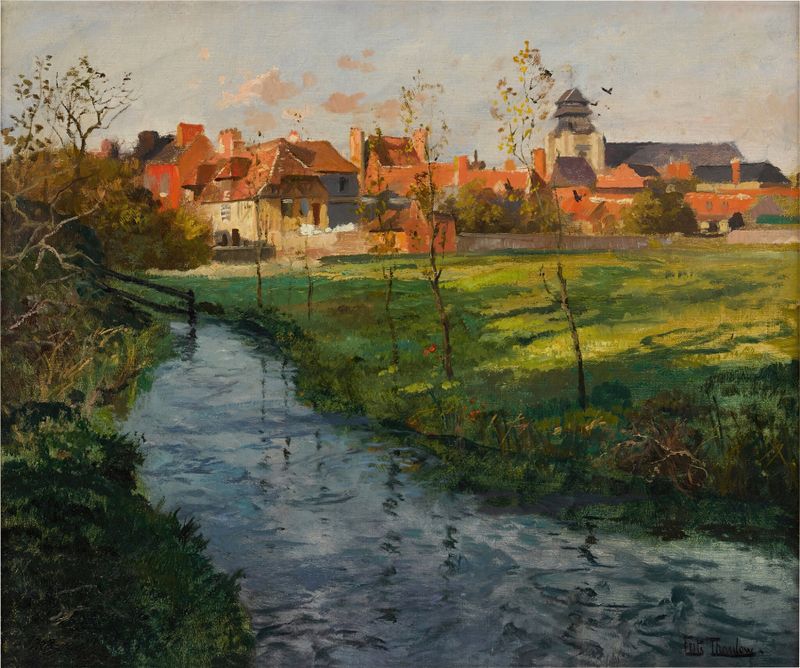
Village by a Stream
Frits Thaulow

Spring Thaw
Frits Thaulow
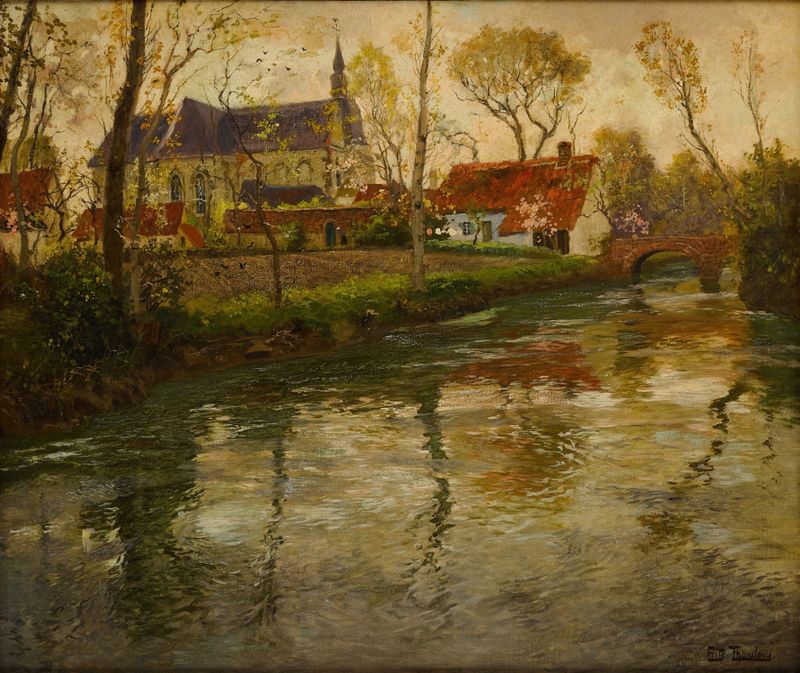
A River Landscape with a Church Beyond
Frits Thaulow

Hameau en bord de rivière
Frits Thaulow
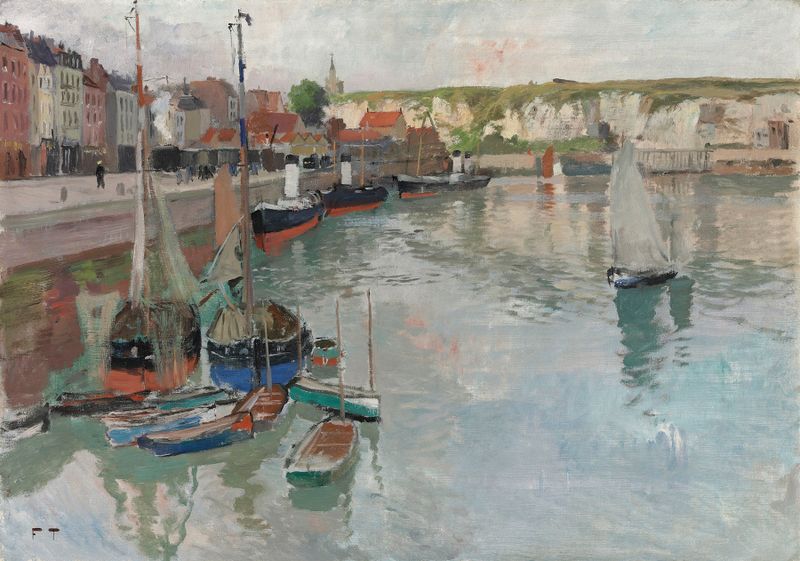
Dieppe
Frits Thaulow
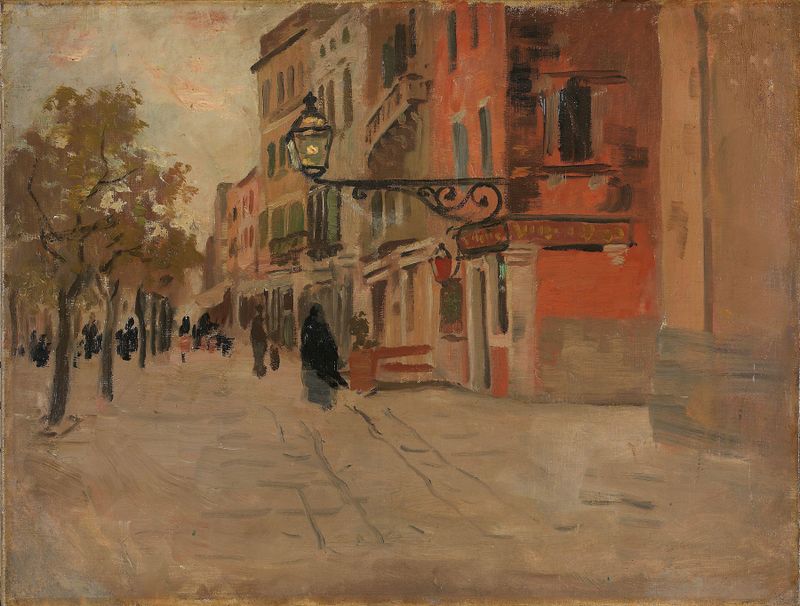
Street in Venice
Frits Thaulow
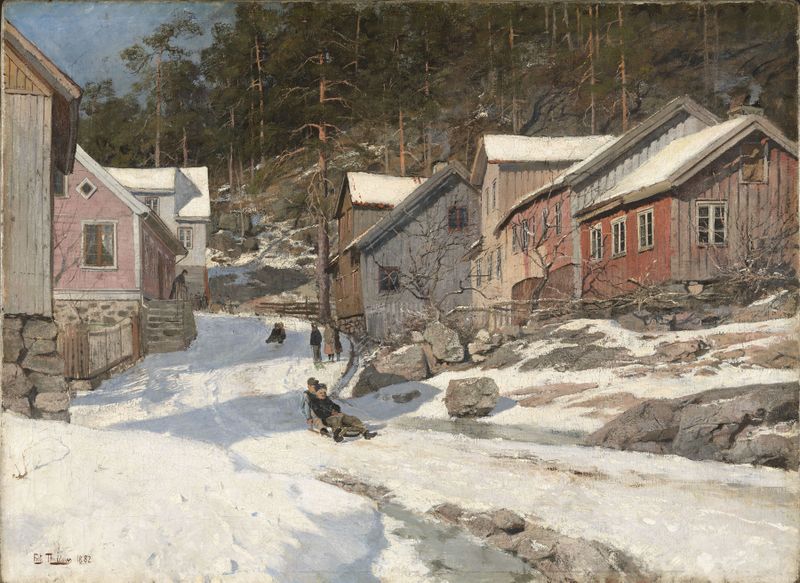
Street in Kragerø
Frits Thaulow
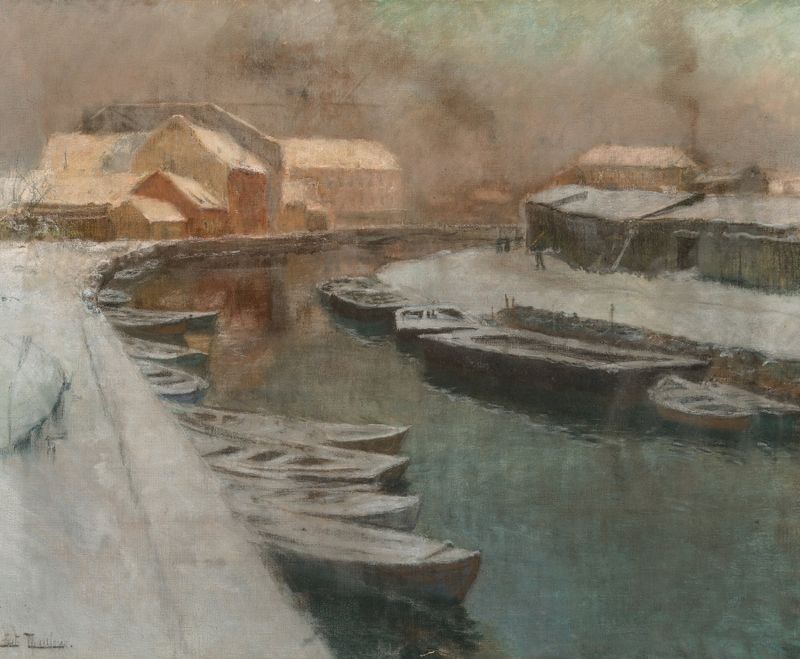
Canal en hiver
Frits Thaulow

Marble Arch, London
Frits Thaulow
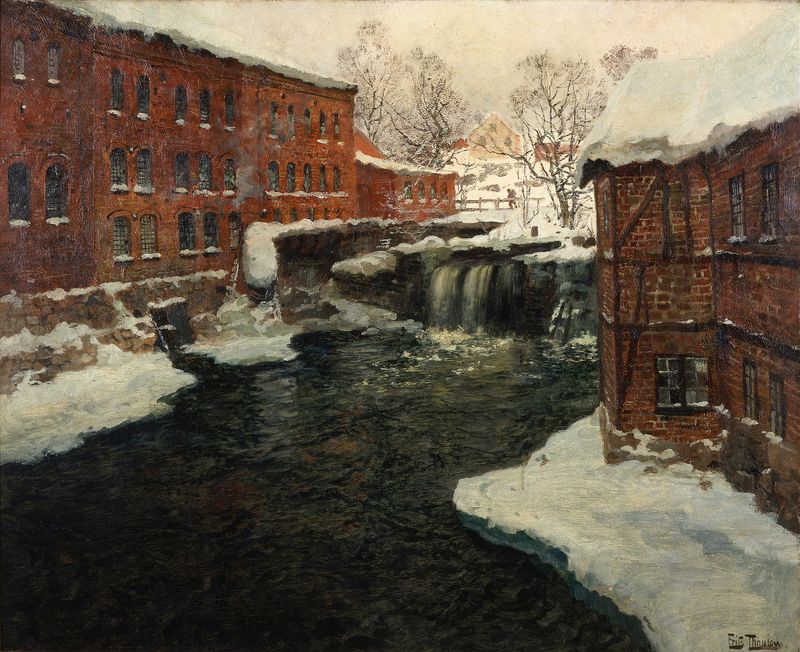
Mill Scene
Frits Thaulow





