
Canal en hiver — History & Facts
Could beauty survive in a century of chaos? Canal en hiver unfolds a delicate, serene winter landscape, inviting viewers into a world untouched by the turbulence of its time. Look to the foreground where the frigid canal stretches languidly, its surface reflecting the muted blues and grays of the overcast sky. Notice how the soft brushstrokes create a textured illusion of snow piled along the banks, while the distant trees stand silhouetted, their bare branches dancing lightly in the chill. The subtle blending of tones draws the eye inward, where the cool palette evokes a sense of stillness, as if time itself has paused beneath the weight of winter. In the background, a faint hint of buildings emerges, suggesting a bustling life just out of reach, contrasting with the tranquil scene at hand.
This juxtaposition generates an emotional tension, as if the viewer is caught between the allure of nature's quiet beauty and the ever-present noise of human existence. The shimmering light on the water's surface, fleeting and ephemeral, encapsulates the notion that even amidst chaos, moments of awe persist, waiting to be discovered. Frits Thaulow painted Canal en hiver during the late 19th century, at a time when Impressionism was gaining traction across Europe. Living in Norway, amidst the transformation of the art world, he sought to capture the essence of his surroundings with dynamic brushwork and an emphasis on light.
The painting reflects his commitment to portray nature's beauty, showcasing how art can encapsulate stillness and serenity, even in a rapidly changing world.
More Artworks by Frits Thaulow
Browse all →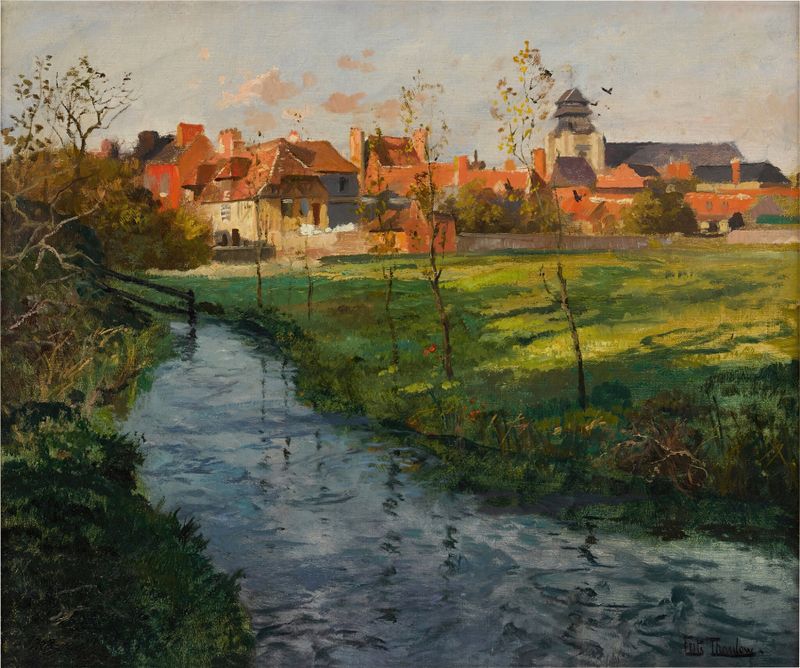
Village by a Stream
Frits Thaulow

Spring Thaw
Frits Thaulow
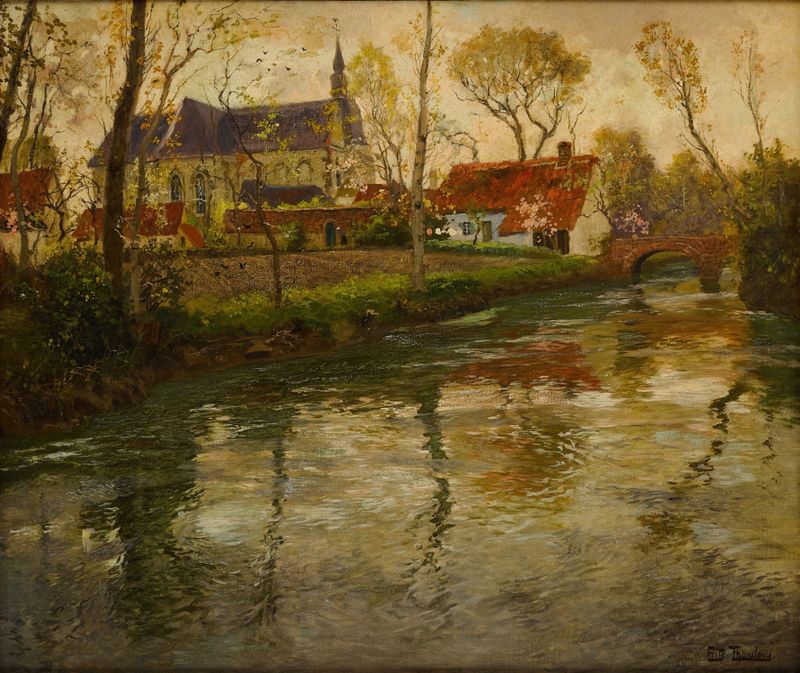
A River Landscape with a Church Beyond
Frits Thaulow

Hameau en bord de rivière
Frits Thaulow
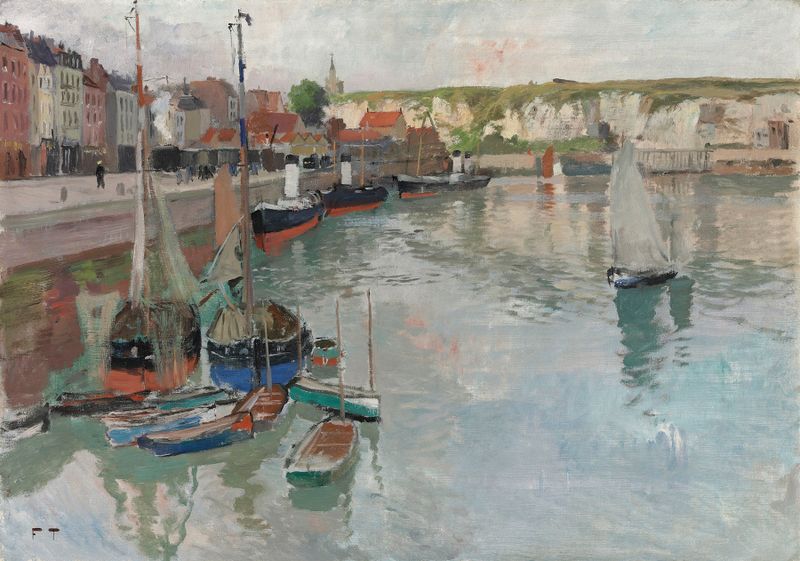
Dieppe
Frits Thaulow
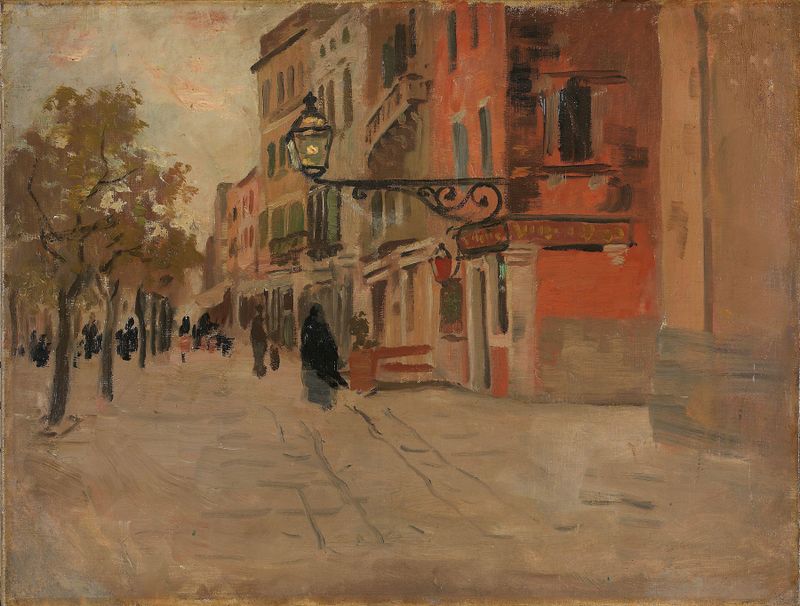
Street in Venice
Frits Thaulow

The Lysaker River In Winter
Frits Thaulow
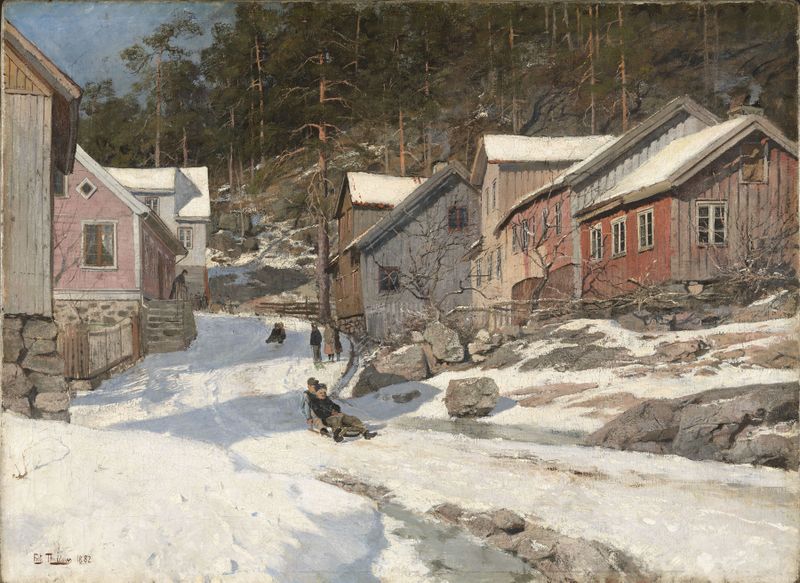
Street in Kragerø
Frits Thaulow

Marble Arch, London
Frits Thaulow
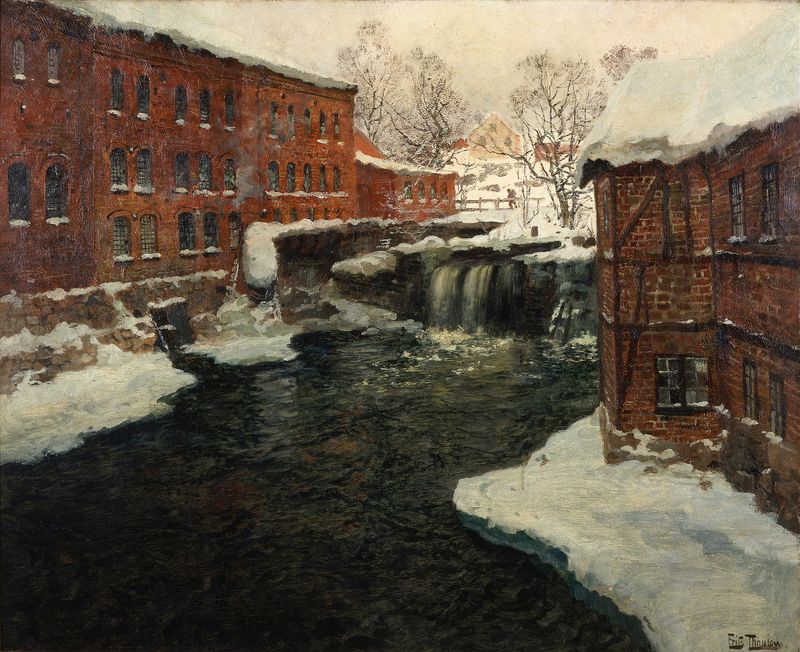
Mill Scene
Frits Thaulow





