
Discover insights about this artwork
The Man at the Crossroads — History & Facts
In The Man at the Crossroads, Dean Cornwell presents a vibrant scene filled with dynamic figures and bold colors. The painting features a central male figure, symbolizing the crossroads of life, surrounded by various allegorical representations. The background is filled with a mix of urban and natural elements, creating a contrast that emphasizes the choices one must make.
The use of reds, blues, and yellows adds to the overall intensity of the work. The painting is executed in oil on canvas, showcasing Cornwell's skillful brushwork and attention to detail. Viewers can observe the intricate textures and layering of colors that bring depth to the figures and setting. The dimensions are approximately 150 x 200 cm, making it a large and impactful piece.
This size allows for a detailed exploration of the themes presented in the artwork. Dean Cornwell was known for his work in the American Regionalism movement, focusing on themes relevant to American life. The Man at the Crossroads was created during a time of significant social change in the United States, reflecting the tensions and choices faced by individuals. An interesting fact about this work is that it was originally commissioned for the RCA Building in New York City but was ultimately not installed there.
Instead, it remains a powerful representation of Cornwell's artistic vision.
More Artworks by Dean Cornwell
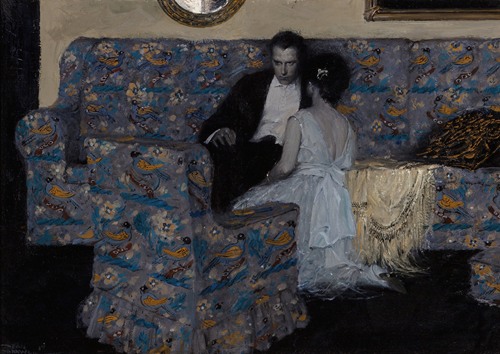
Options
Dean Cornwell
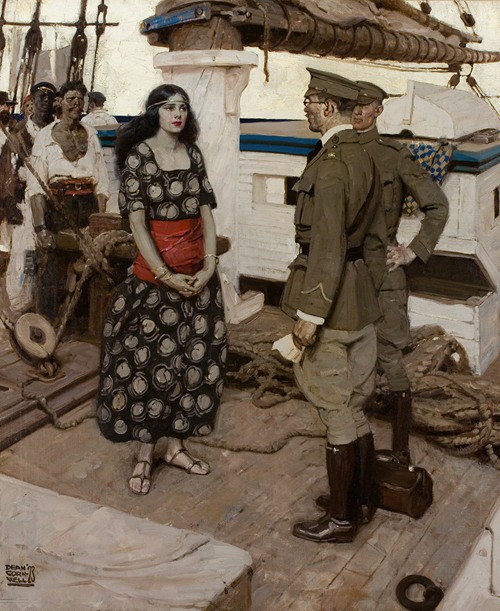
Never the Twain Shall Meet
Dean Cornwell
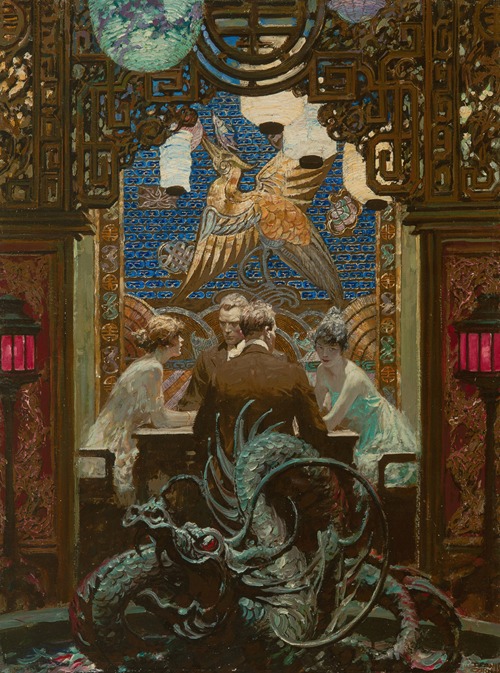
The Den of Iniquity
Dean Cornwell
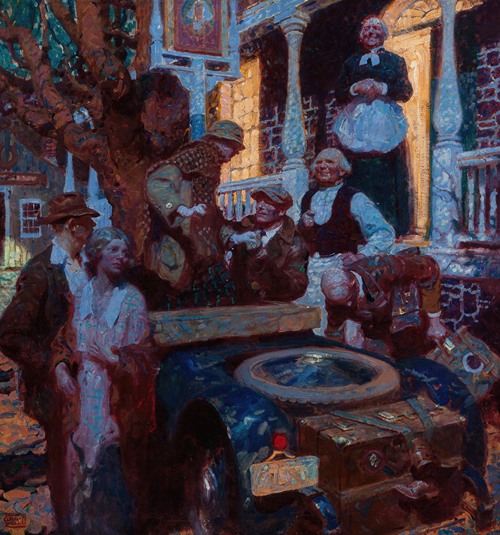
The Great Things of Life-Travel
Dean Cornwell
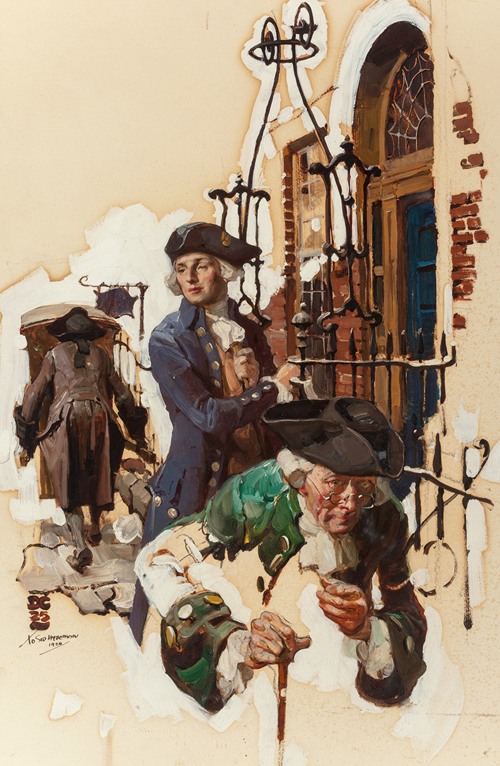
The Callers
Dean Cornwell
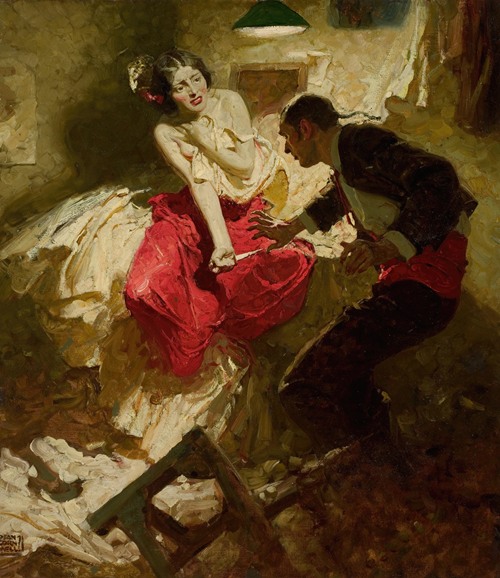
The Red Shawl
Dean Cornwell
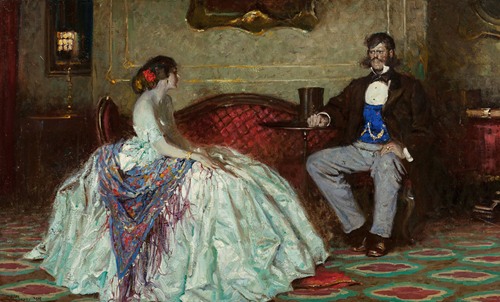
The Dark Fleece
Dean Cornwell
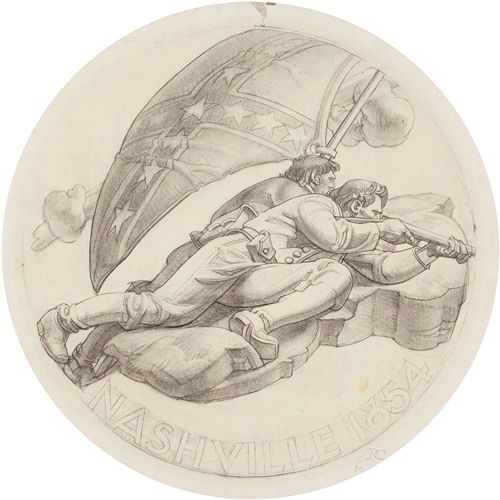
Nashville
Dean Cornwell
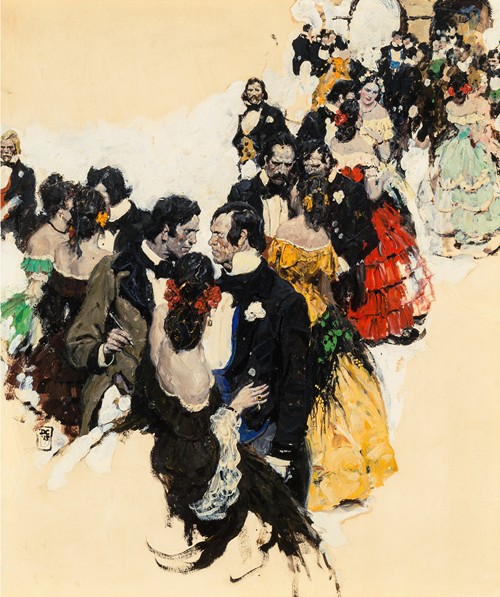
Periwinkle House
Dean Cornwell
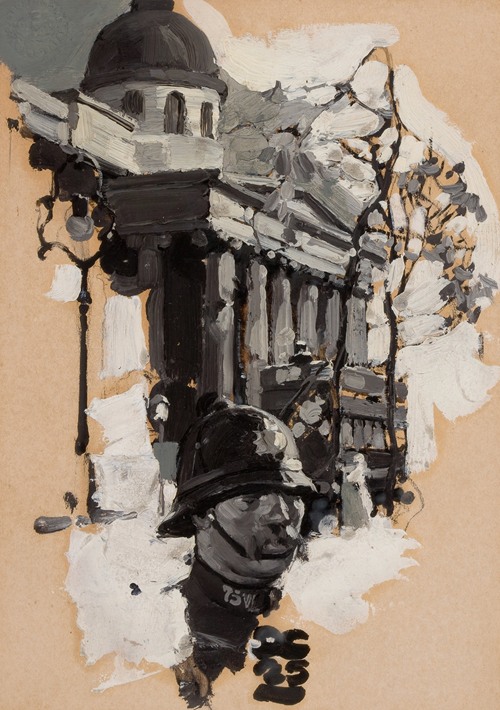
Policeman with Parliamentary Building
Dean Cornwell
More Allegory Art
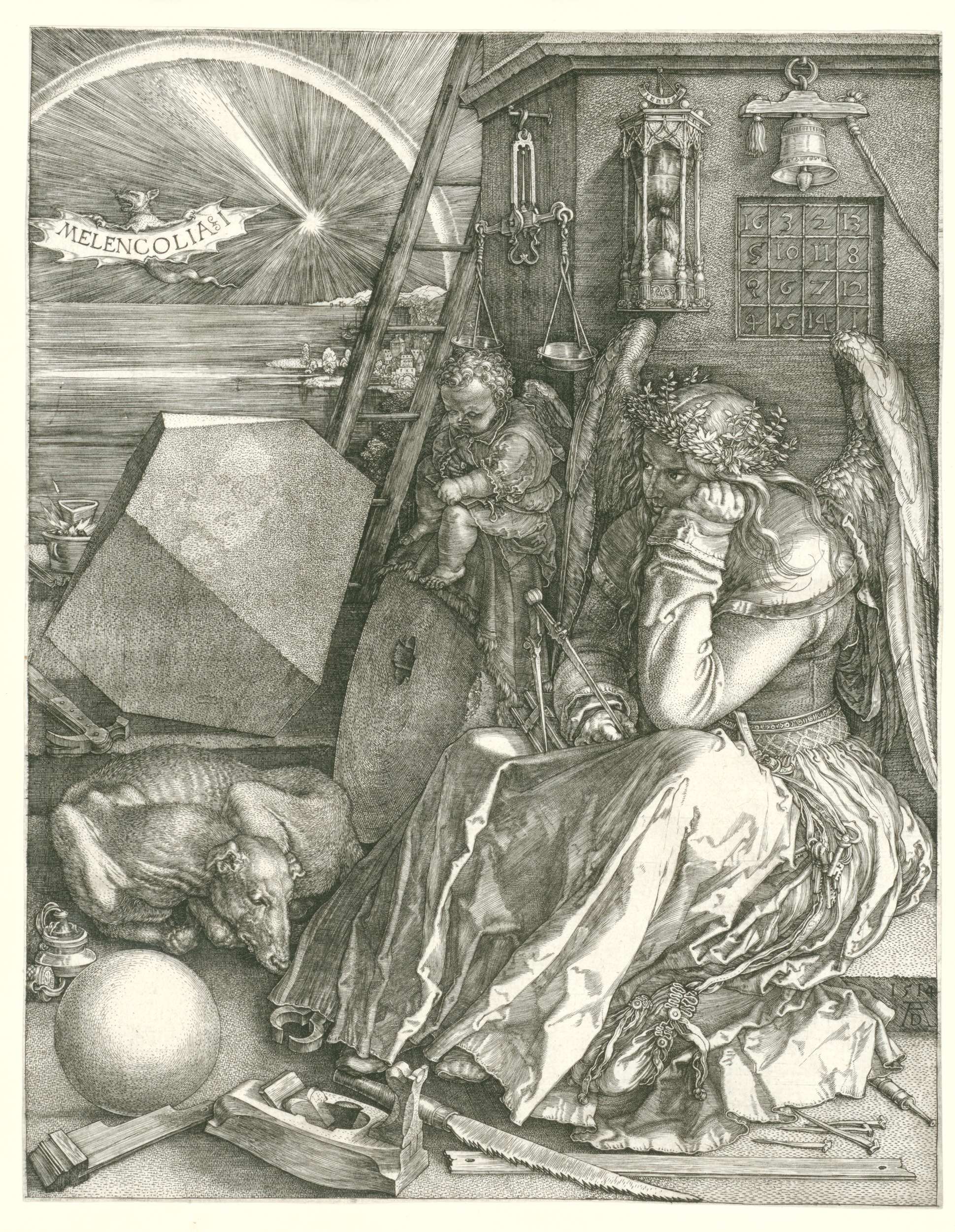
Melancholia
Albrecht Dürer
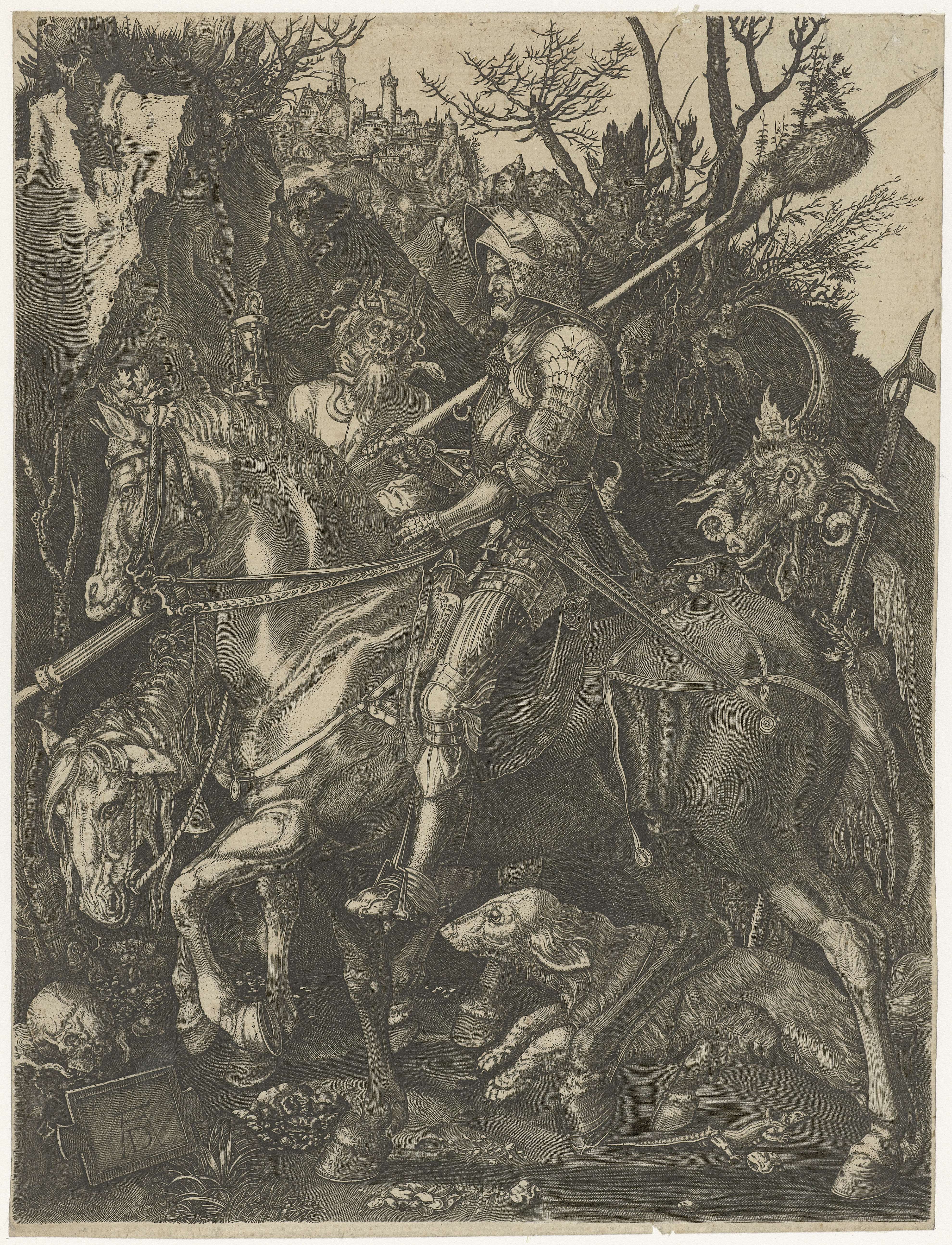
Ridder, Dood en Duivel
Unknown Artist
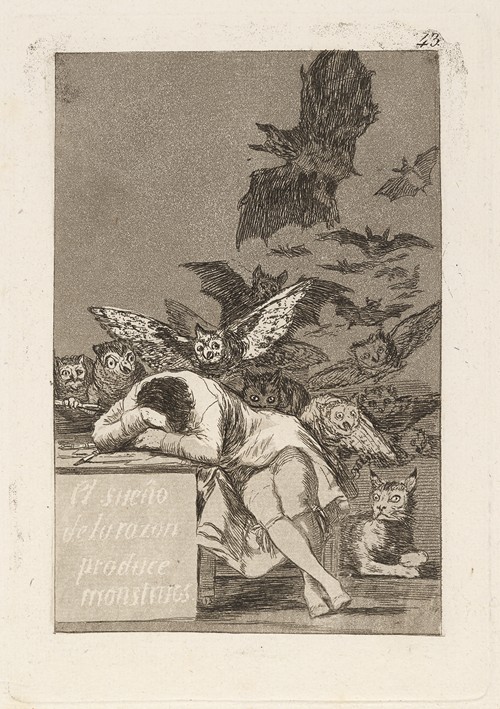
El sueño de la razon produce monstruos. (The sleep of reason produces monsters.)
Francisco de Goya
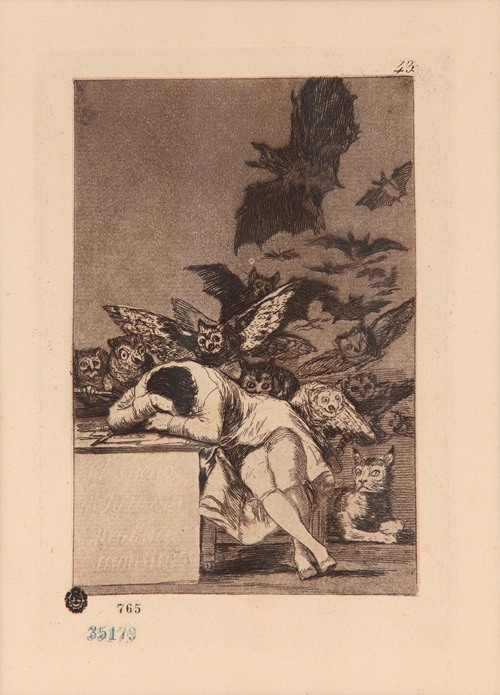
El sueño de la razon produce moustruos (Serie Caprichos)
Francisco de Goya
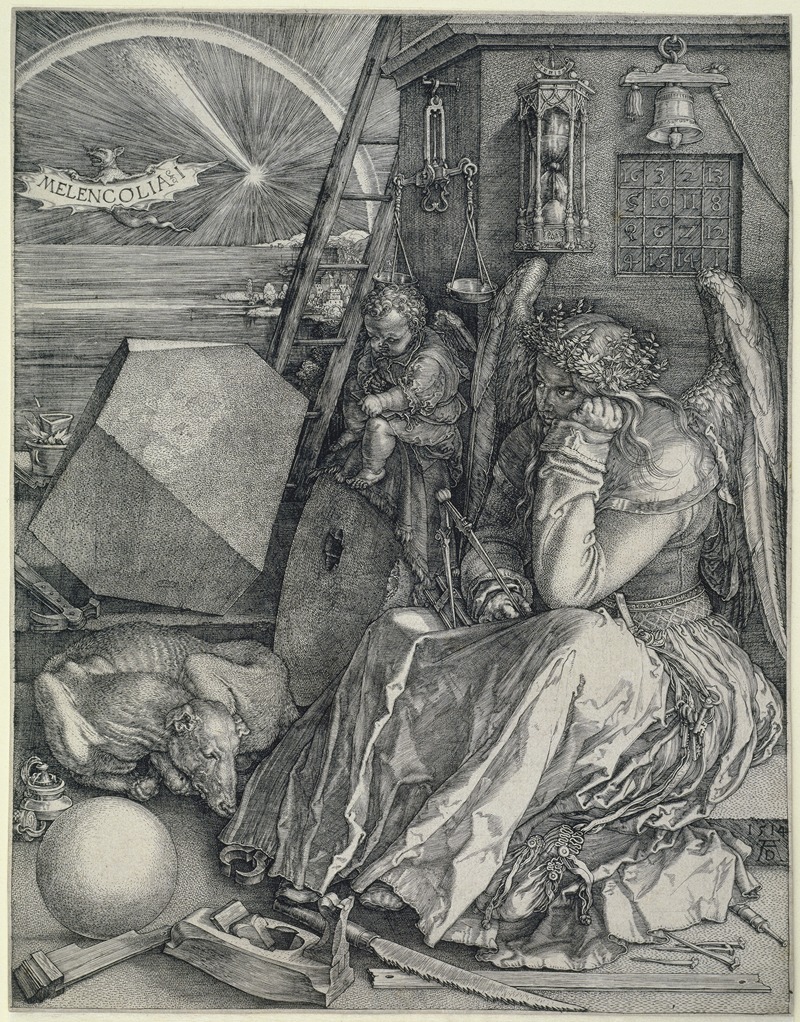
Melencolia I (The Melancholy)
Albrecht Dürer
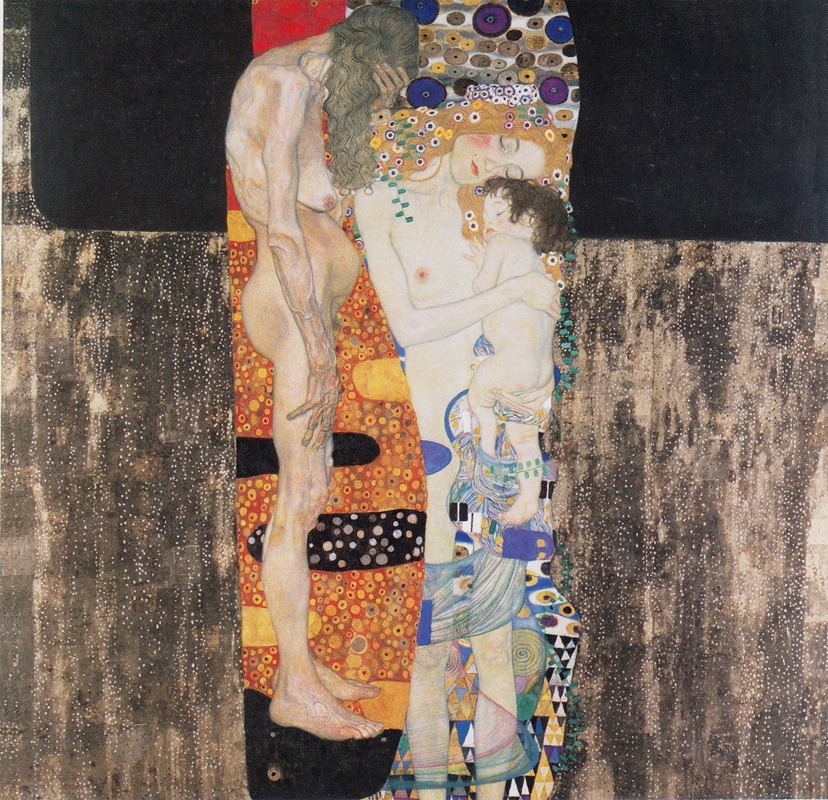
The Three Ages of the Woman
Gustav Klimt