The Mantle of Spring — History & Facts
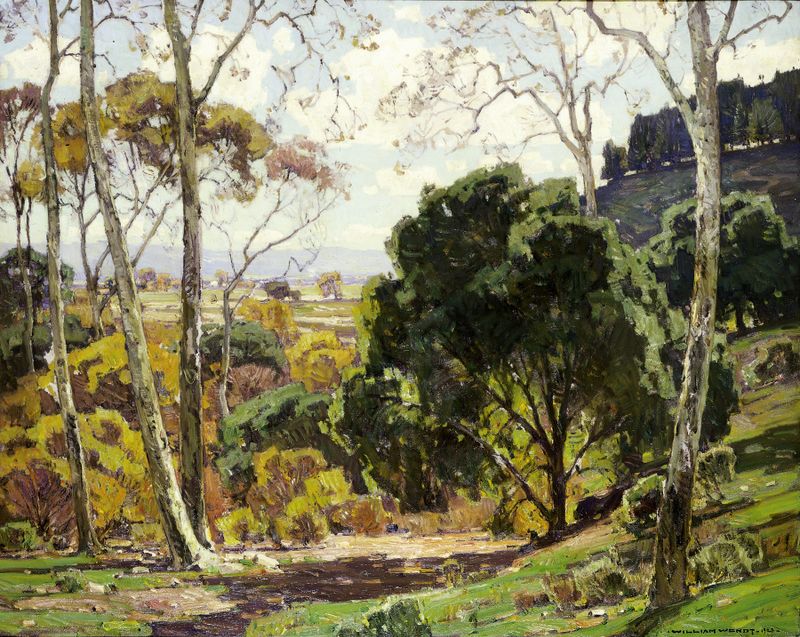
Could a single brushstroke hold eternity? In The Mantle of Spring, the fleeting beauty of nature’s revival teeters on the edge of decay, a gentle reminder of life’s transience. Focus on the vibrant greens that cascade across the canvas, swirling in a dance with the hints of softened earth tones below. The thick application of paint creates a textural richness, allowing your eyes to linger on the way sunlight bathes the landscape. Notice how the interplay of light and shadow reveals the contours of blossoming flowers and burgeoning foliage, each detail meticulously rendered to invite you into a world that feels both alive and comforting. Beyond the surface, there lies a deeper narrative—a tension between rejuvenation and the inevitability of decline.
The lushness of spring suggests promise, yet the muted undertones whisper of an impending fade into the cycle of seasons. It's a paradox of beauty, where the vibrancy of life is intertwined with the reminder of what was and what will be, urging us to cherish each moment before it slips away. William Wendt painted this work in 1917 during a time when California was embracing its artistic identity. Amidst a world embroiled in the turmoil of World War I, he found solace in the natural landscapes surrounding him.
This piece reflects his commitment to plein air painting and the California Impressionist movement, capturing the essence of a land in bloom while echoing the collective longing for peace and renewal during a tumultuous period.