
The Mikado’s Palace Gardens, Yedo — History & Facts
A delicate breeze rustles through the cherry blossom trees, scattering pale pink petals like whispers against the tranquil surface of a pond. In the distance, the striking silhouette of a pavilion looms, framed by verdant foliage and vibrant blooms. A sense of serenity envelops the scene, as if time itself has paused to admire the beauty of nature and its harmonious embrace with human craftsmanship. Look to the left at the elegant arched bridge, its graceful curves inviting viewers to cross into this enchanting world.
The rich greens of the garden contrast sharply with the soft pastels of the blossoms, creating a visual rhythm that draws the eye deeper into the composition. Notice the play of light reflecting off the water, with dappled sunlight painting shimmering patterns that dance across the surface, enhancing the tranquil atmosphere. Hidden within this idyllic beauty are nuances of longing and ephemerality. The delicate cherry blossoms symbolize the fleeting nature of life, a bittersweet reminder that beauty is often short-lived.
The harmonious arrangement of the gardens also suggests a connection between the natural and the crafted, inviting contemplation on the balance between humanity and the environment—an underlying tension that resonates beyond the surface. In 1869, Nicholas Chevalier was residing in Yedo, now Tokyo, during a time of profound cultural exchange as Japan opened its doors to the West. His exploration of Japanese gardens reflected not only his fascination with the aesthetic but also a growing Western interest in Eastern philosophies. This period marked a significant shift in artistic expression, as the world of art embraced a fusion of styles and themes, culminating in the vivid portrayal of life within these serene landscapes.
More Artworks by Nicholas Chevalier
Browse all →
Coast near Dunedin
Nicholas Chevalier
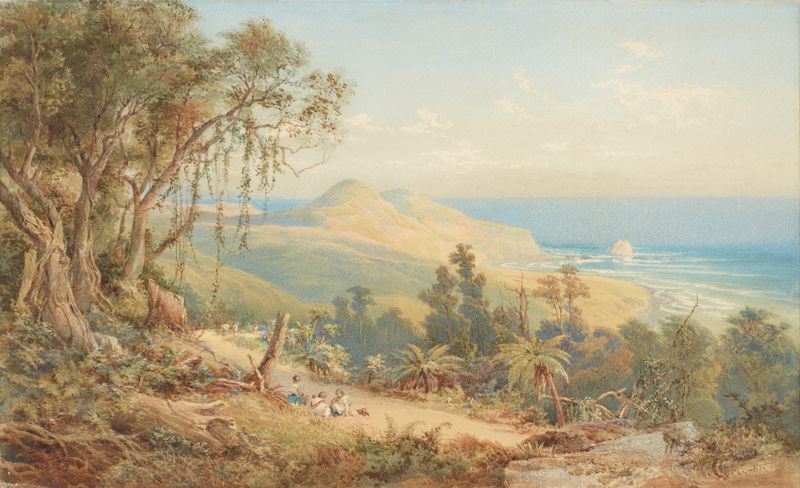
Sandfly Bay, Otago
Nicholas Chevalier

Buckler Burn at the head of Wakatipu Lake
Nicholas Chevalier

Mr MacKellar’s Station, the Waimea Plains, Southland
Nicholas Chevalier
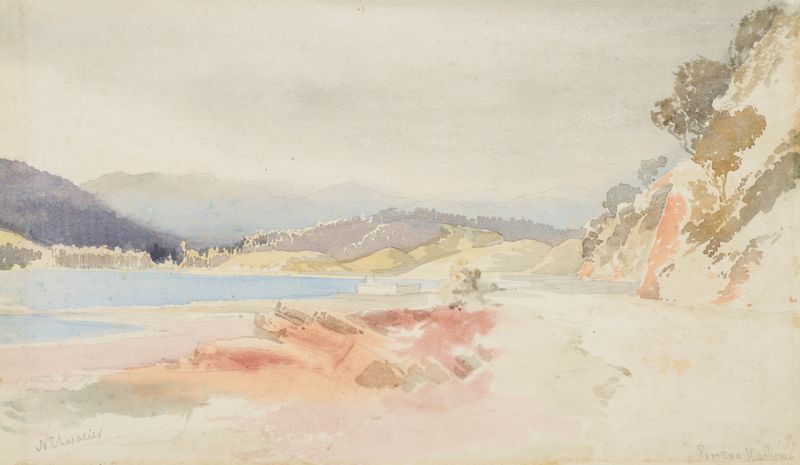
Porirua Harbour
Nicholas Chevalier
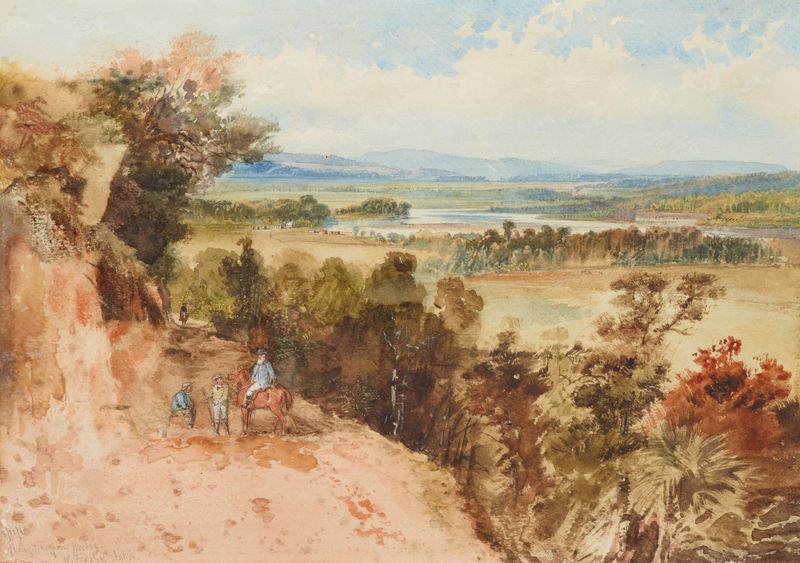
Rangitikei from Westoe, W. Fox Esq’s Station
Nicholas Chevalier

The Upper Rangitikei
Nicholas Chevalier
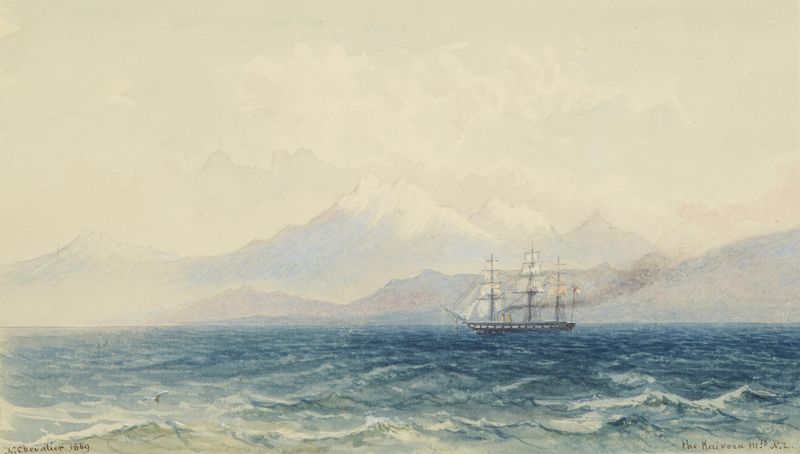
The Kaikoura Mountains, N.Z.
Nicholas Chevalier

Upper Hutt Valley
Nicholas Chevalier

The Tararua Mountains and the Waipoua River
Nicholas Chevalier





