
The mill and the Castagne in Rabastens — History & Facts
What secret hides in the quiet of the canvas? In a world that often rushes by, The mill and the Castagne in Rabastens invites us to pause and reflect on the delicate balance of life and nature. Look closely at the tranquil mill, nestled among the soft curves of the landscape. The earthy browns and greens harmonize, guiding your gaze to the gentle flow of water that mirrors the sky's muted palette. Notice how dappled light filters through the trees, creating a dance of shadows that evoke a sense of stillness, while the textured brushstrokes breathe life into the scene, imbuing it with both solidity and a hint of transience. As you delve deeper, consider the contrasts at play: the steadfastness of the mill against the ethereal quality of the surrounding foliage.
The juxtaposition of rustic strength and fragile beauty hints at fleeting moments, a reminder of nature's impermanence. Perhaps the artist captures a deeper narrative about our relationship to the land — a silent plea for preservation amid encroaching modernity and the inevitable passage of time. Georges Gaudion painted this piece during a period when the Impressionist movement was redefining the boundaries of art. Active in the late 19th to early 20th century, Gaudion found himself surrounded by a burgeoning interest in naturalism and a newfound appreciation for the French countryside.
His works often reflect a desire to convey the essence of rural life, capturing moments that are both intimate and universally resonant, as seen in this quiet study of a mill in Rabastens.
More Artworks by Georges Gaudion
Browse all →
Courtyard of a Moroccan riad
Georges Gaudion

House behind the trees
Georges Gaudion
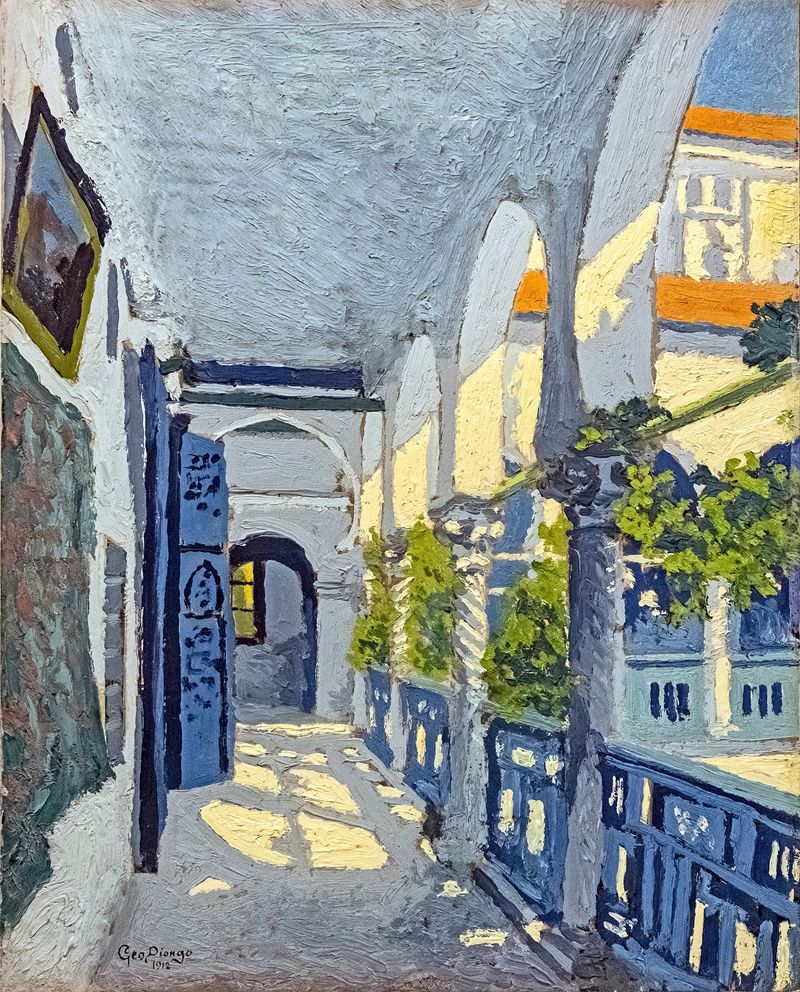
Gallery of a Moroccan riad
Georges Gaudion
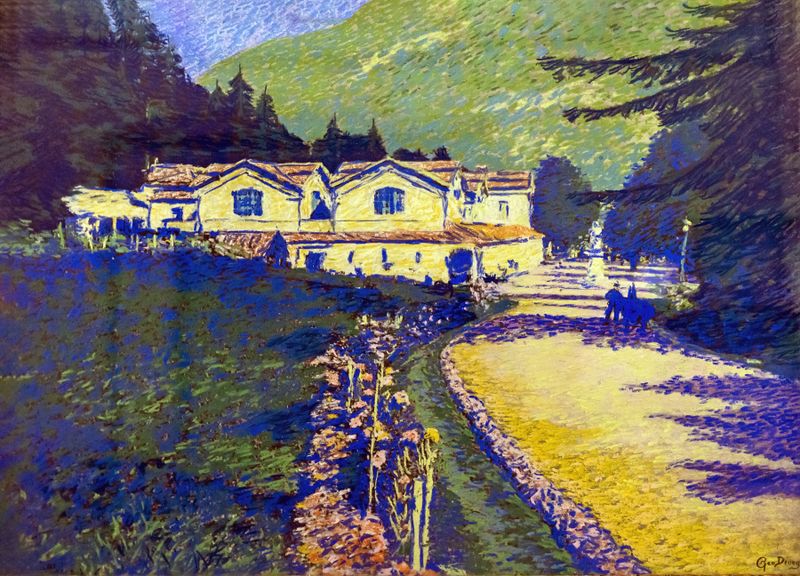
The thermal baths of Luchon
Georges Gaudion

Houses in Puycelsi
Georges Gaudion
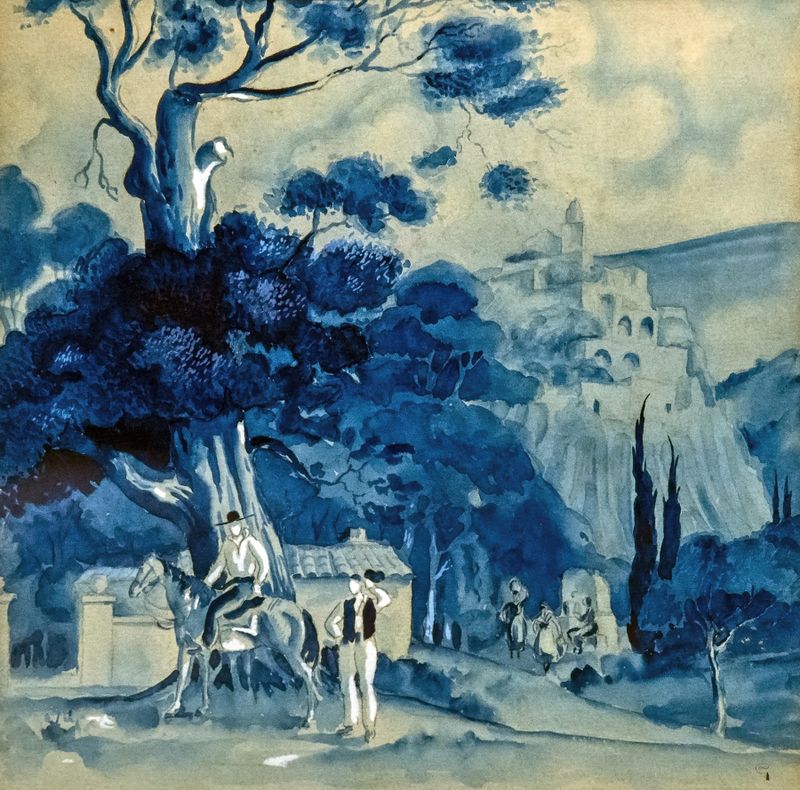
Spanish landscape
Georges Gaudion
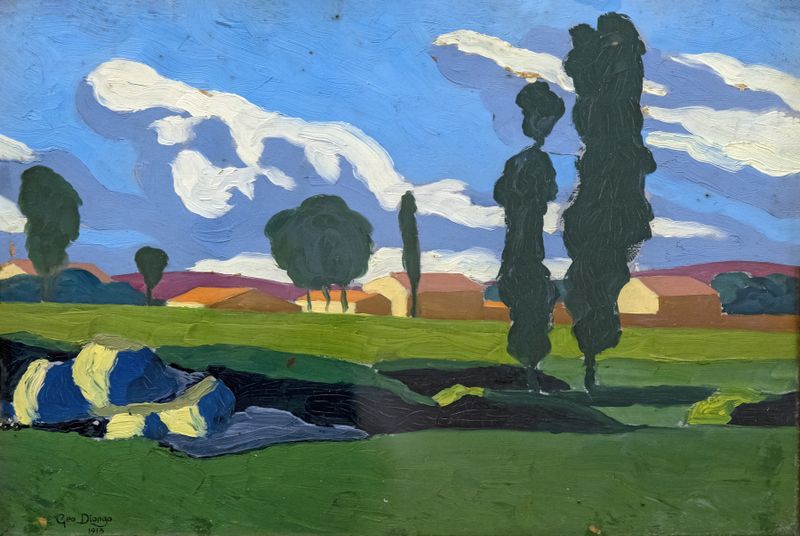
Poplar landscape
Georges Gaudion

Wash house on the banks of the Nive in Bayonne
Georges Gaudion

Boats at the Bazacle in Toulouse
Georges Gaudion

Le domaine de Touny-les Roses à Lagrave
Georges Gaudion





