
The Normal Rock Creek — History & Facts
Can beauty exist without sorrow? In the intricate strokes of The Normal Rock Creek, one can sense the melancholy that underlies the serene landscape. Look to the foreground, where the water of the creek flows gently, mirroring the soft blues and greens of the surrounding foliage. The delicate balance of light and shadow reveals the artist's meticulous attention to detail; notice how the sun filters through the leaves, casting dappled reflections on the water’s surface. The inviting path leads the eye deeper into the scene, creating a sense of intimacy and connection with nature.
The composition invites quiet contemplation, mirroring the duality of tranquility and unspoken loss. Upon closer inspection, the silent interaction between the elements tells a story of resilience against the inevitable passage of time. The sturdy rocks, worn smooth yet steadfast, symbolize continuity amidst change, while the gentle ripples in the water hint at the disruption of stillness. This contrast serves as a reminder that moments of beauty often emerge from the shadows of sorrow, embodying both serenity and the fleeting nature of existence. In 1910, during a period of introspection and exploration within the American artistic community, the artist captured this scene while laying the groundwork for his future contributions to landscape art.
This work emerged at a time when the world was grappling with modernity, yet Holmes remained grounded in the natural beauty around him. His dedication to depicting the American landscape reflects a broader cultural yearning for connection to the land, even amidst the swirling currents of change that defined his era.
More Artworks by William Henry Holmes
Browse all →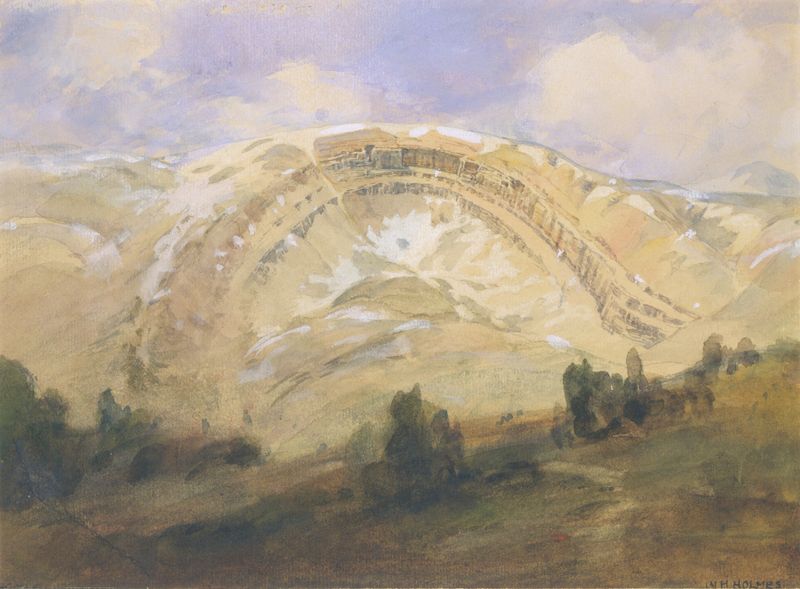
Folded Strata, A Great Geological Arch, Colorado
William Henry Holmes
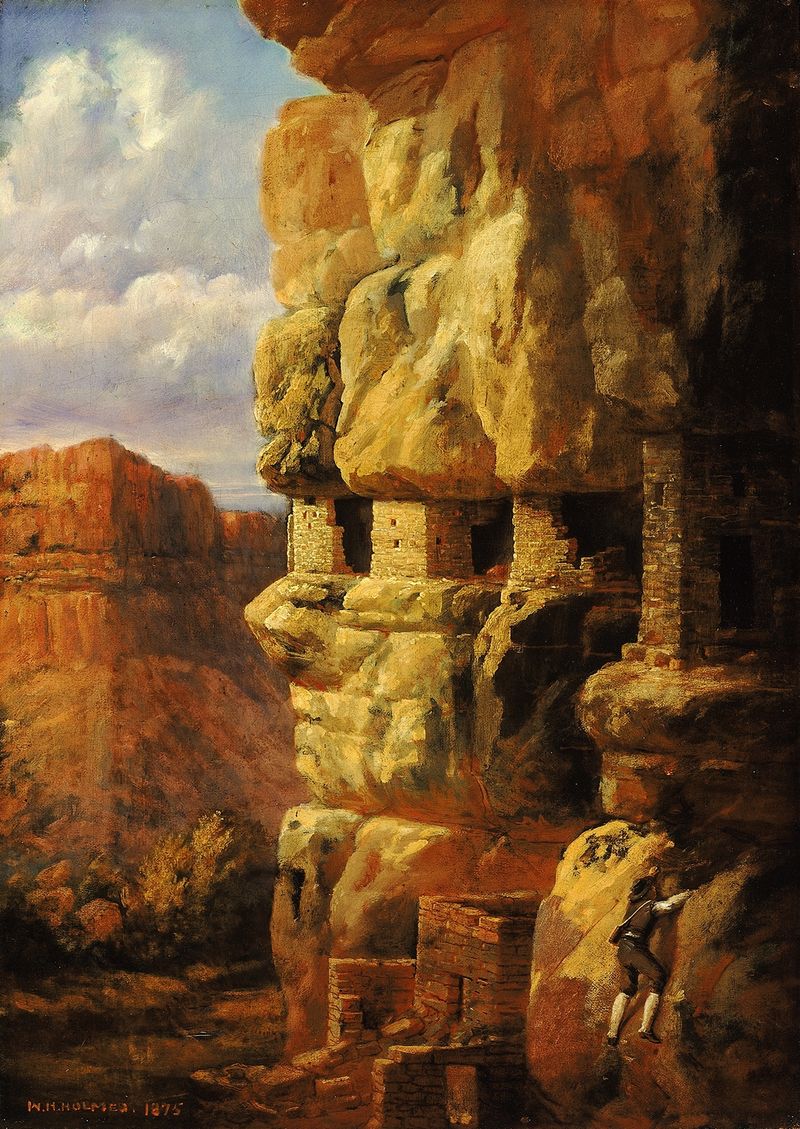
Cliff Houses On The Rio Mancos, Colorado
William Henry Holmes
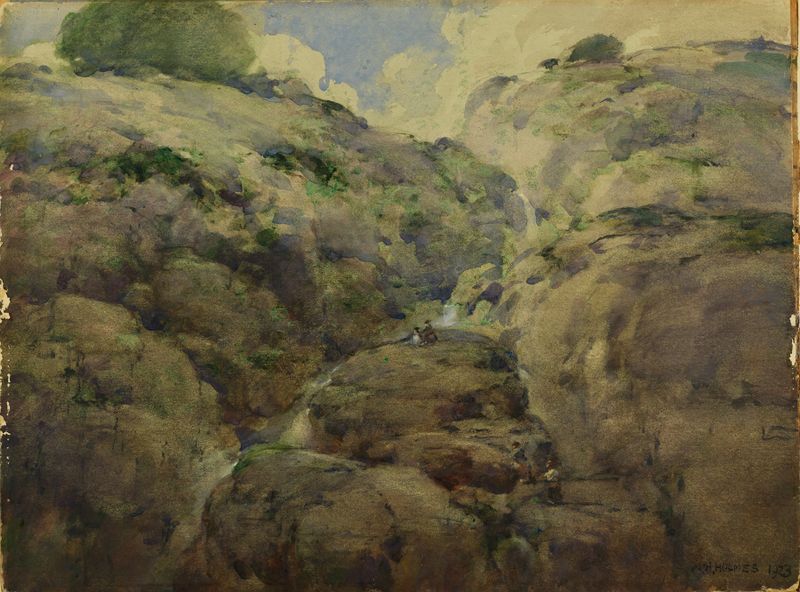
Mountain Gorge, Colorado
William Henry Holmes
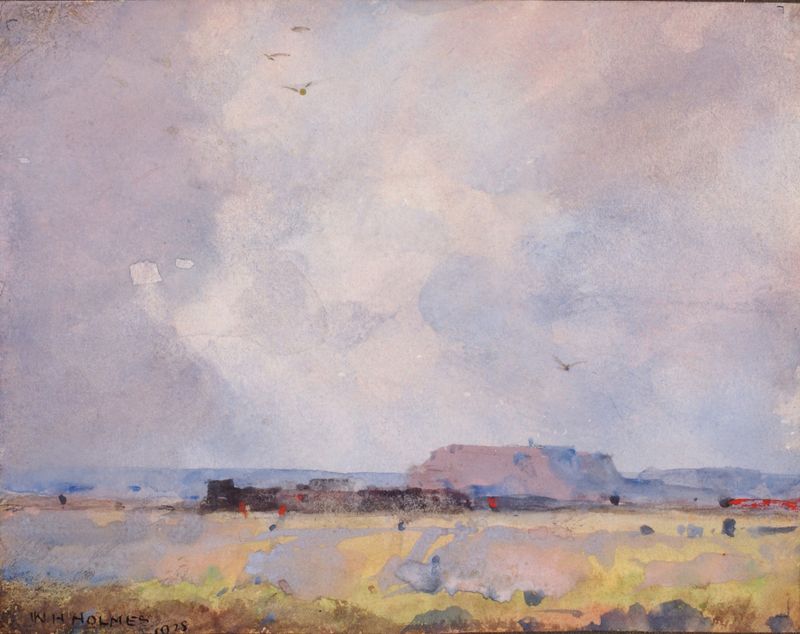
In The Plateau Country, With An Inhabited Pueblo
William Henry Holmes
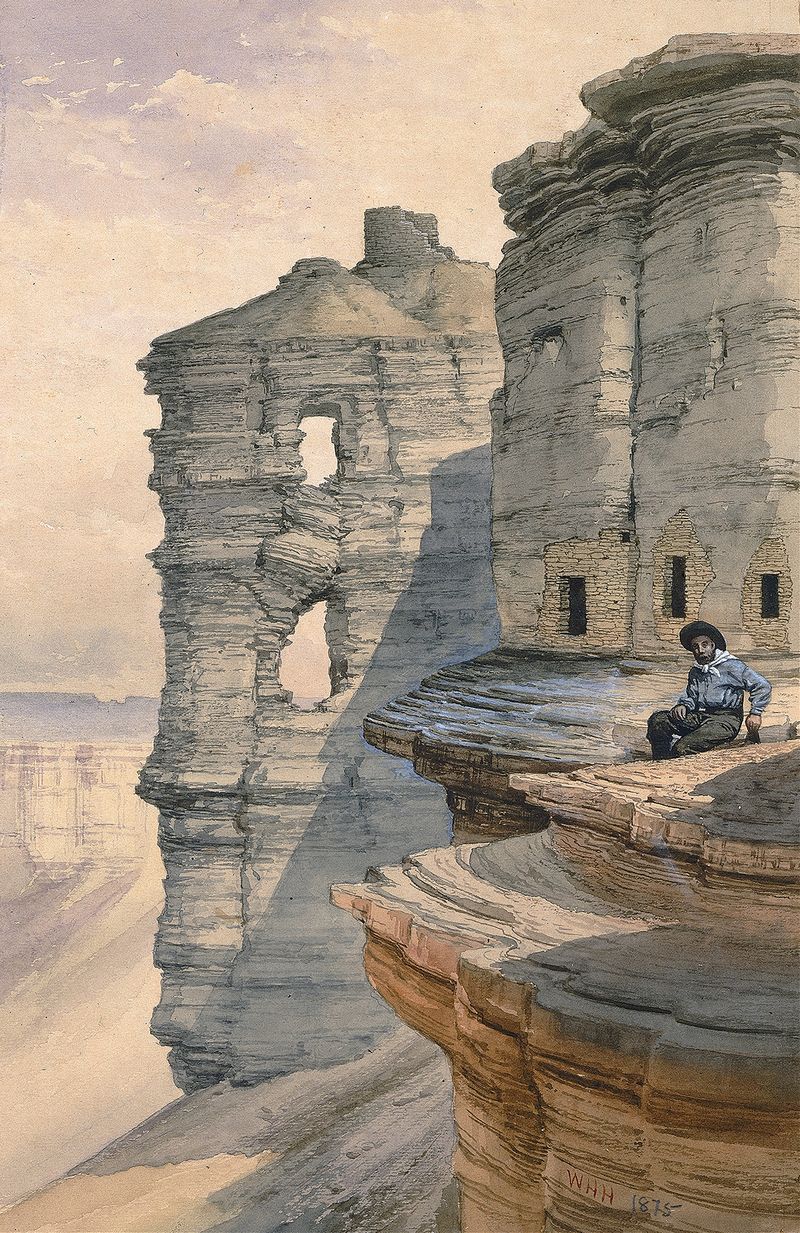
Cliff Houses on the Rio Mancos, Colorado
William Henry Holmes
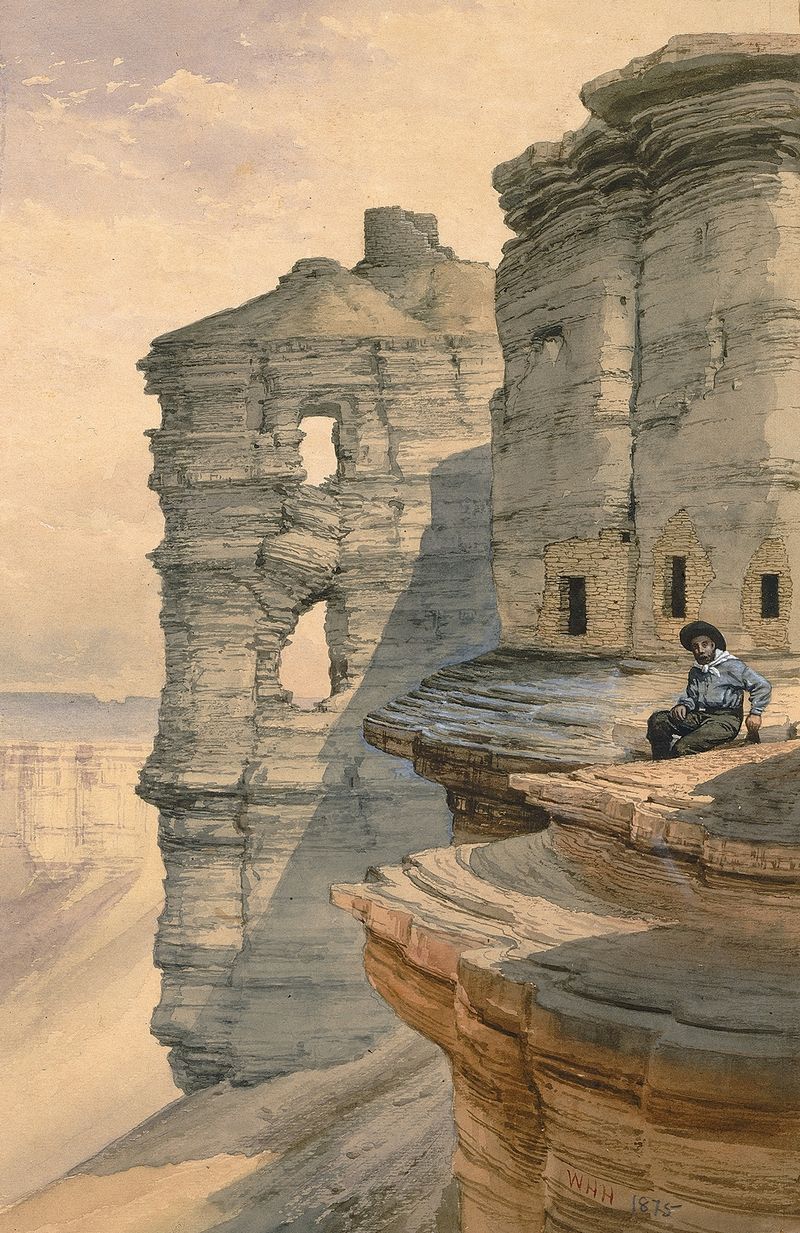
Cliff Houses On The Rio Mancos, Colorado
William Henry Holmes
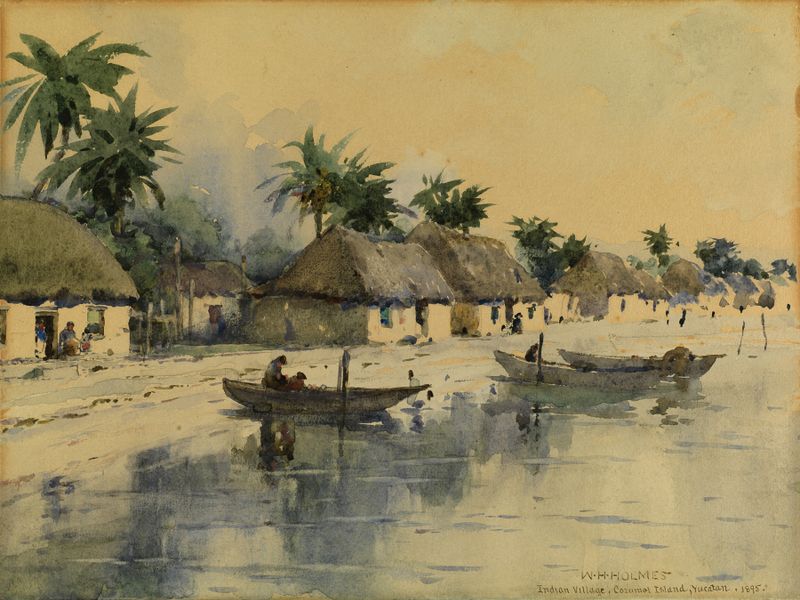
Indian Village, Cozumel Island, Yucatan
William Henry Holmes
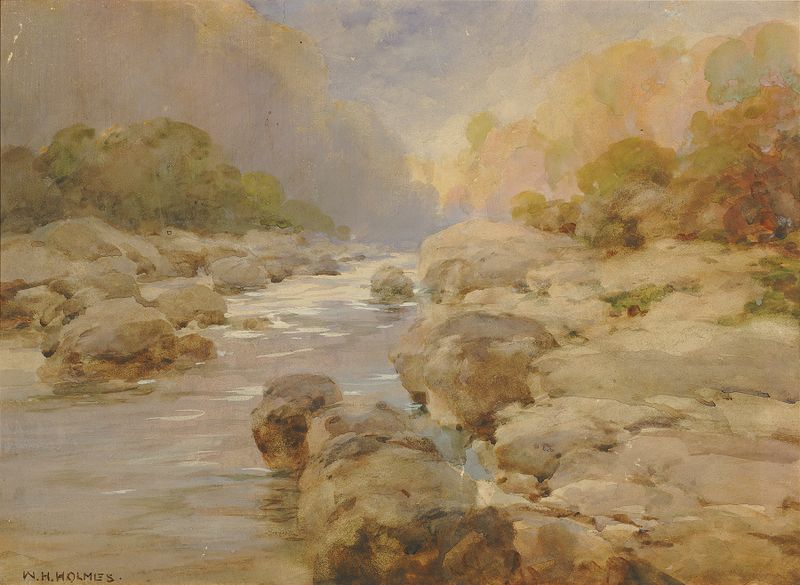
Unmodified Rock Creek, About 1910
William Henry Holmes
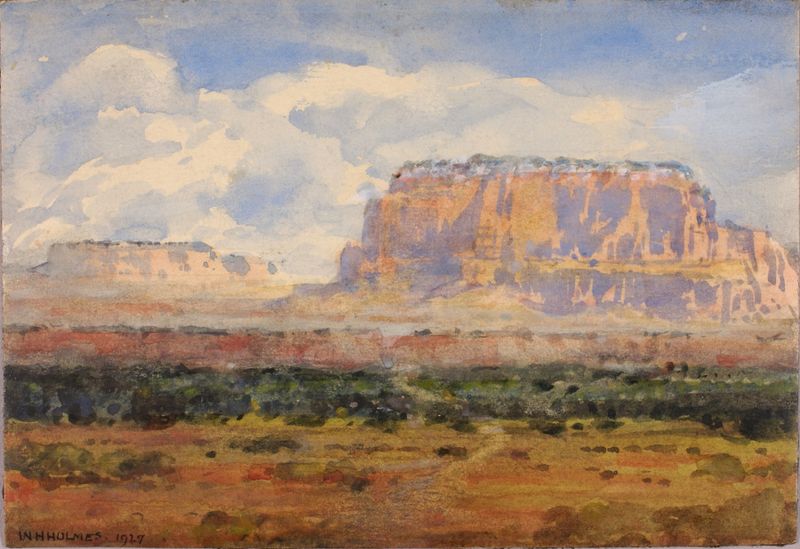
The Enchanted Mesa
William Henry Holmes
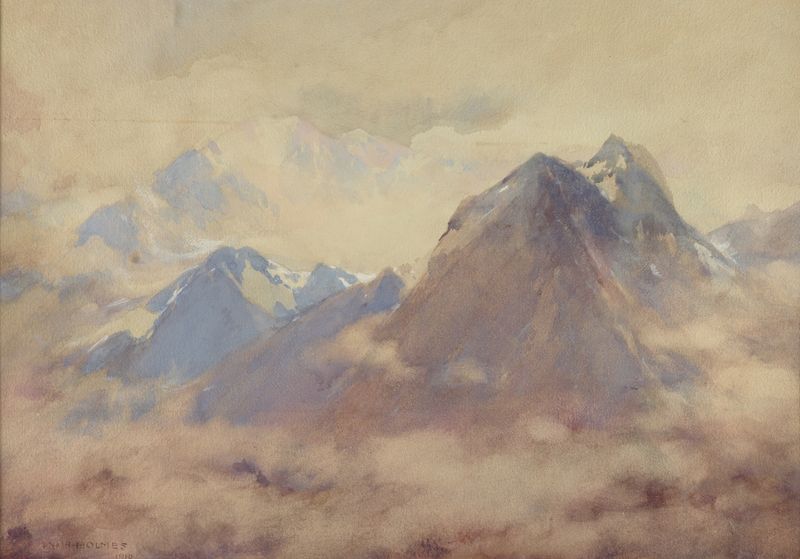
The Almighty’s Own, An Impression Of The High Andes
William Henry Holmes





