
The Oosterhuis in Antwerp — History & Facts
In the stillness of solitude, where spaces resonate with unspoken truths, we find the heart of loneliness reflected in art. Look to the center of the canvas, where the quaint Oosterhuis stands resolutely against the backdrop of a muted sky. The structure, framed by delicate trees, invites the viewer to study its weathered facade and quietly peeling paint. Notice how the soft interplay of light highlights the building's edges, contrasting vividly with its deep shadows, evoking a sense of nostalgia and abandonment.
The palette, composed of earthy browns and grays, further deepens the feeling of isolation that permeates the scene. Beneath the surface, the artwork echoes a dialogue between permanence and transience. The well-tended garden around the Oosterhuis hints at life once vibrantly lived, now reduced to memories. The absence of people amplifies the atmosphere of desolation, inviting contemplation on the passage of time and the weight of solitude.
Each brushstroke contributes to a sense of longing—a wistful acknowledgment of the stories that linger in silence. Created during a time when the artist was exploring themes of nature and architecture, this piece reflects the evolving landscape of 17th-century Dutch art. Living in Antwerp, Lucas van Uden immersed himself in the juxtaposition of urban life and the natural world, crafting paintings that evoke both the physical and emotional realms. The absence of a definitive date for this work suggests it may have been a reflection of his enduring fascination with solitude and the human experience, capturing a moment that resonates through time.
More Artworks by Lucas van Uden
Browse all →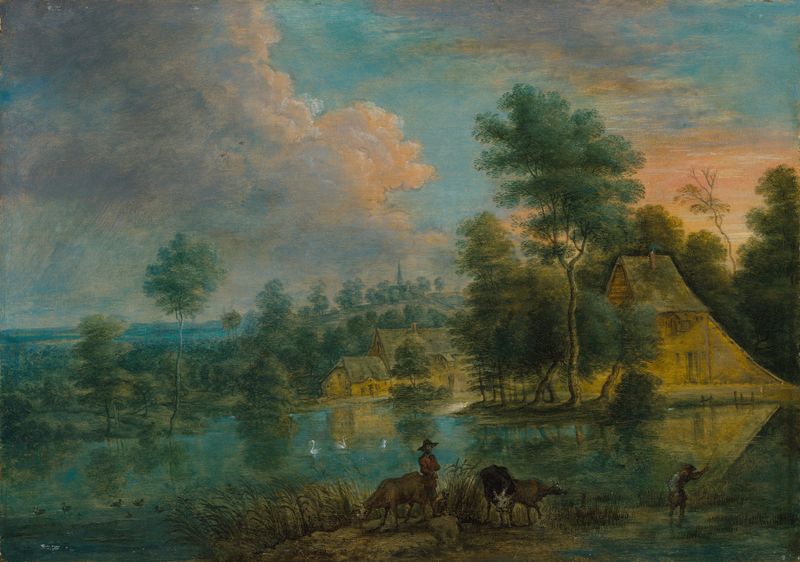
A river landscape with travellers
Lucas van Uden
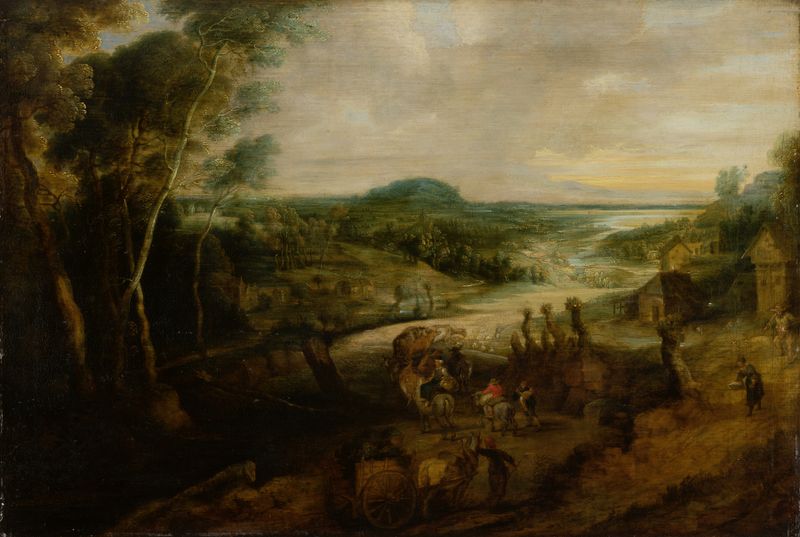
River Landscape with Peasants on the Way to Market
Lucas van Uden
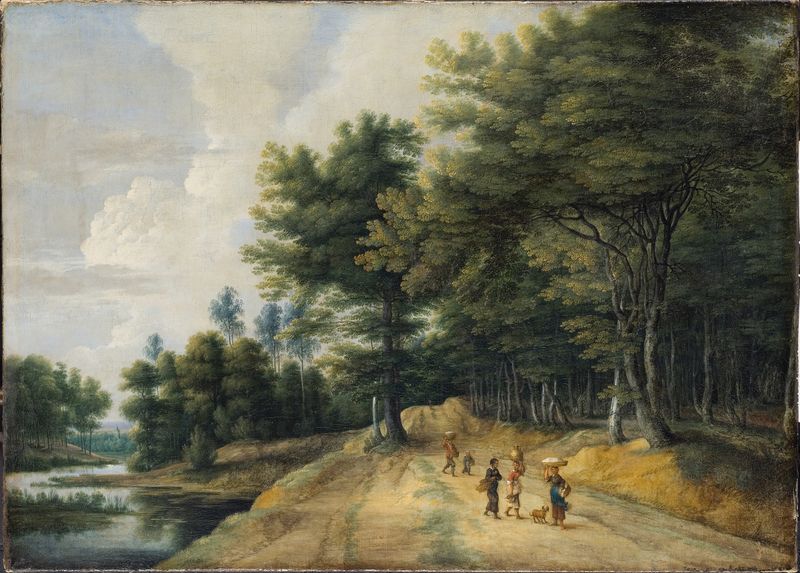
Landscape with a Road through a Wood of Beeches
Lucas van Uden
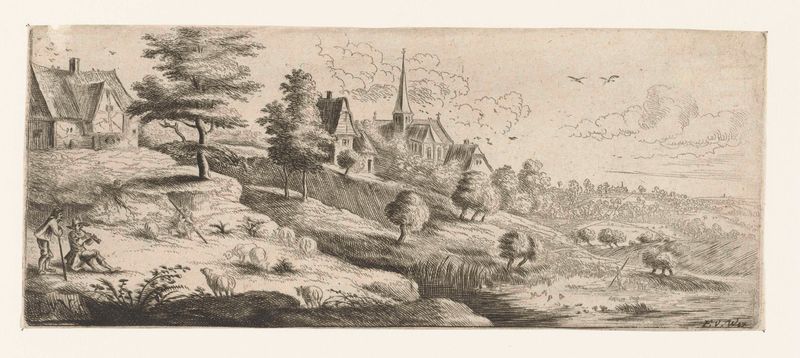
Landschap met een dorp en een schalmei spelende man
Lucas van Uden
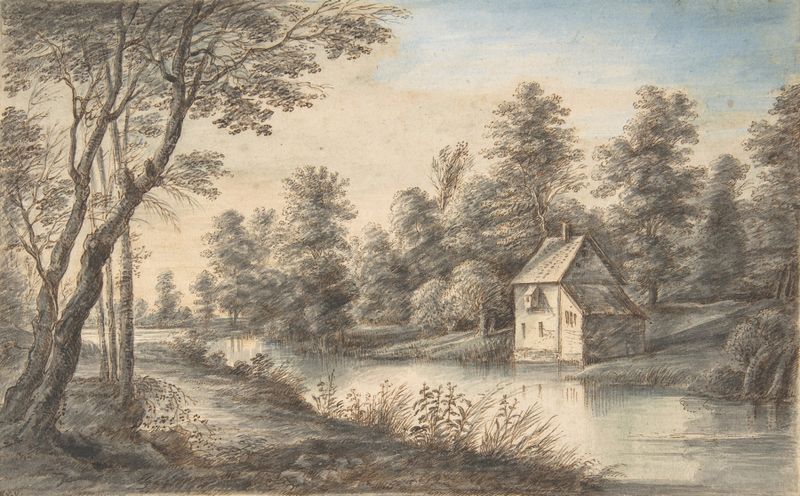
Wooded Landscape with a House beside a River
Lucas van Uden
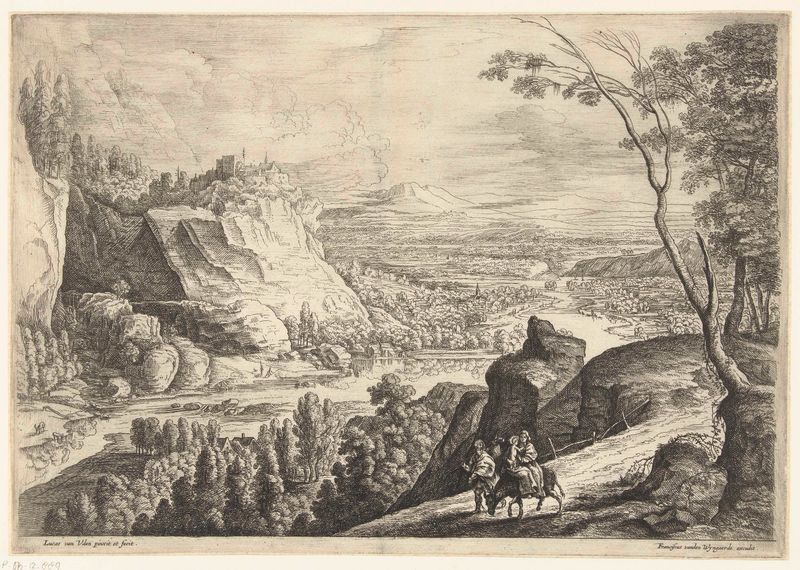
Landschap met de vlucht naar Egypte
Lucas van Uden
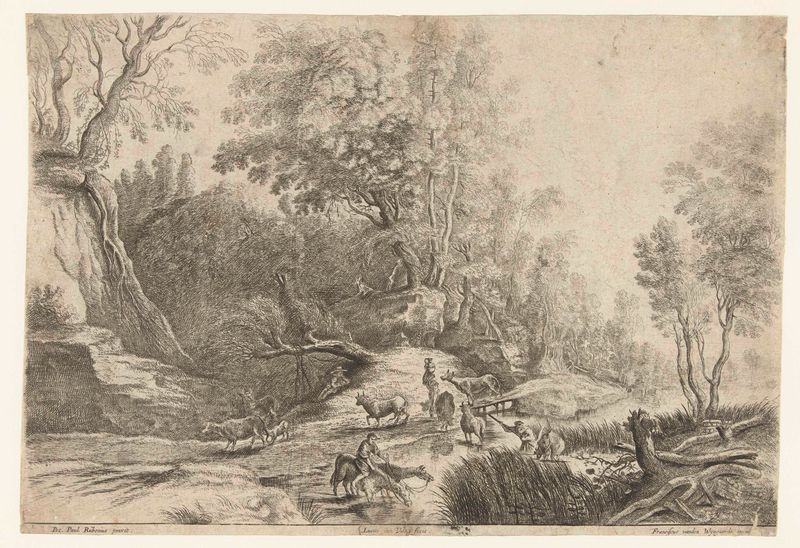
Paarden en koeien bij een drinkplaats
Lucas van Uden
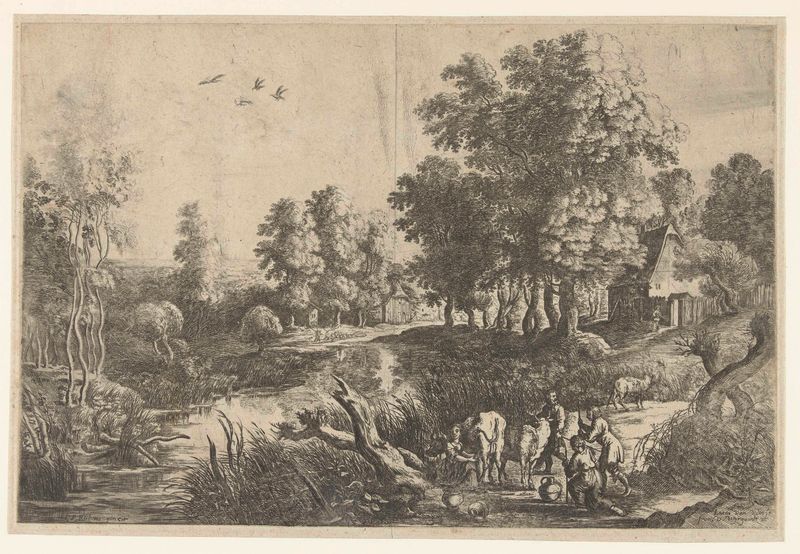
Boeren met vee bij een beek
Lucas van Uden
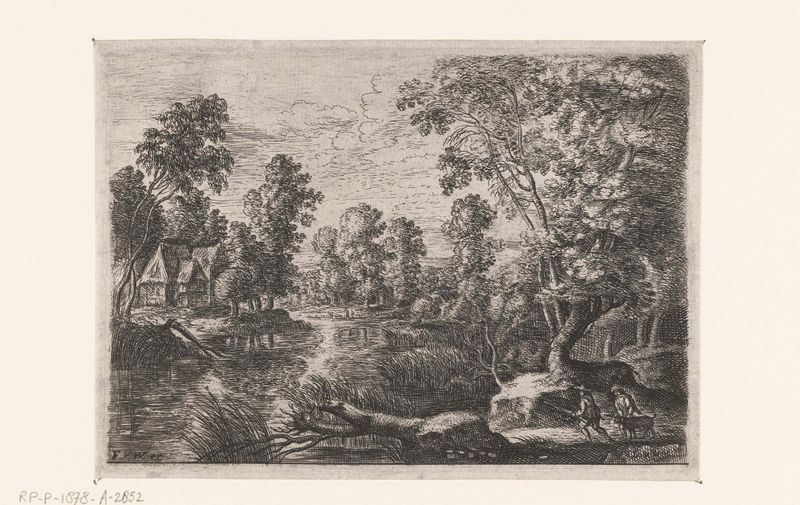
Landschap met een beek en een jager
Lucas van Uden
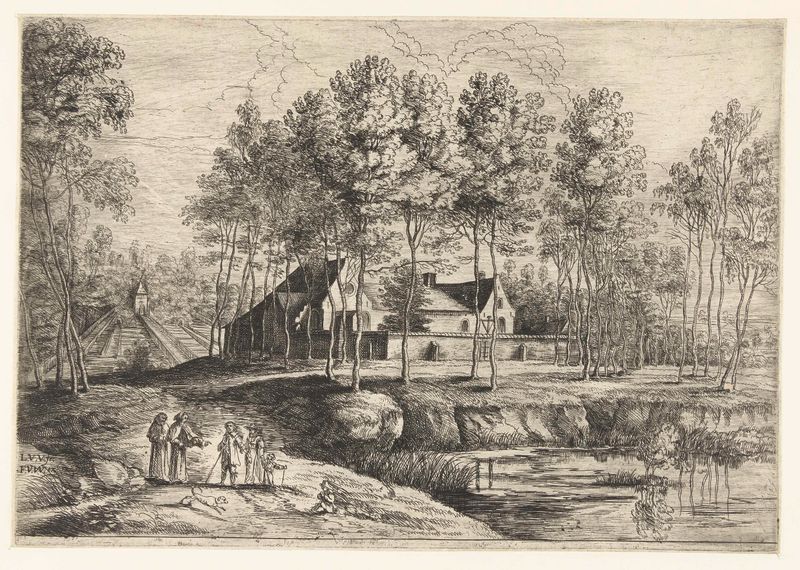
Gezicht op het kapucijnenklooster te Tervuren
Lucas van Uden
More Architecture Art
Browse all →
The statue of Liberty
Frédéric Auguste Bartholdi

View of Houses in Delft, Known as ‘The Little Street’
Johannes Vermeer

View of Houses in Delft, Known as ‘The Little Street’
Johannes Vermeer

The Cathedral in Rouen. The portal, Grey Weather
Claude Monet

The yellow house
Vincent van Gogh

The Church in Auvers-sur-Oise, View from the Chevet
Vincent van Gogh