The Other Side of the River — History & Facts
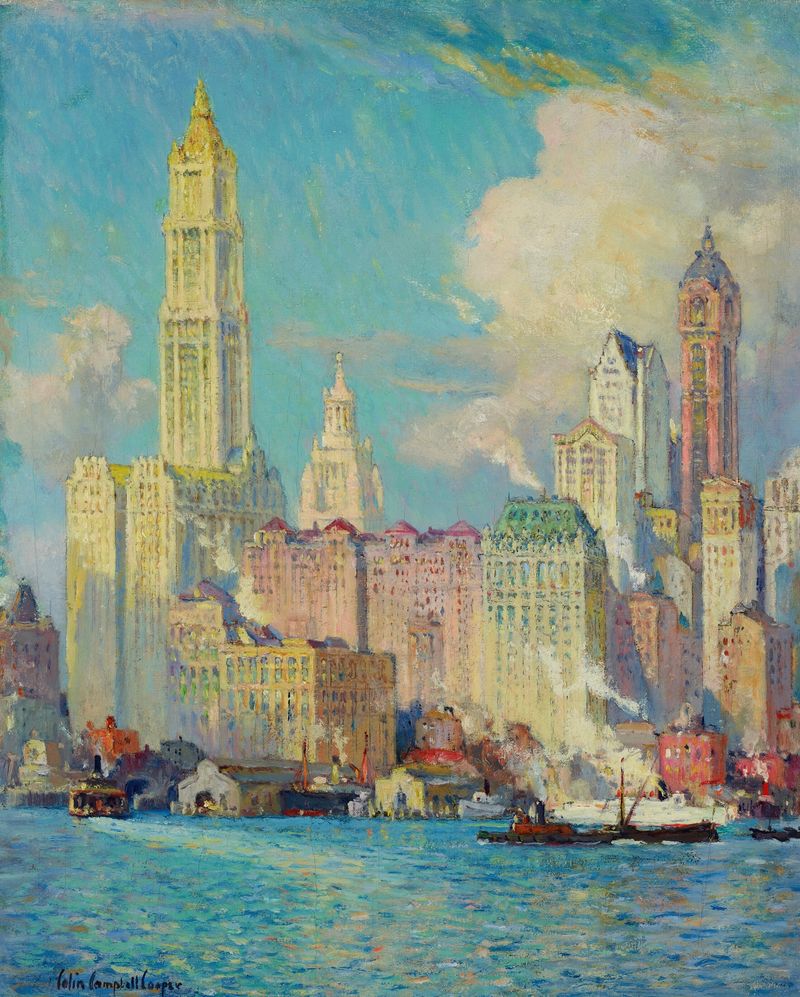
In the gentle embrace of twilight, hope flickers like a candle, illuminating the path toward a brighter future. This sentiment resonates deeply within the essence of the artwork, inviting us to explore the delicate interplay of memory and aspiration. Look to the left, where the soft hues of sunset bleed into the water, creating a serene mirror that captures the essence of a fleeting moment. The artist’s masterful brushwork delineates the landscape with a vigorous yet tender touch, while the vibrant colors evoke a sense of warmth and nostalgia.
Notice how the trees arch gracefully, their reflections dancing on the surface, as if beckoning us to cross over and explore the other side of the river. Beneath the surface of this idyllic scene lies a rich tapestry of meanings. The river acts as both a barrier and a bridge, symbolizing the choices that shape our lives. The contrasting light and shadow mirror the tensions between hope and despair, suggesting that even in the darkest moments, the promise of dawn lingers just beyond reach.
The small figures on the riverbank, seemingly dwarfed by nature's grandeur, embody the universal search for connection and belonging. In 1922, during a period marked by post-World War I reflection and the rise of modernism, the artist created this piece while living in California. This era was a time of transition, where the art world grappled with new forms and ideas, yet Cooper chose to immerse himself in the beauty of the natural landscape. His work reflects a longing for peace and solace in an ever-changing world, capturing the enduring hope that resonates through the human experience.