The Path by the Riverside — History & Facts
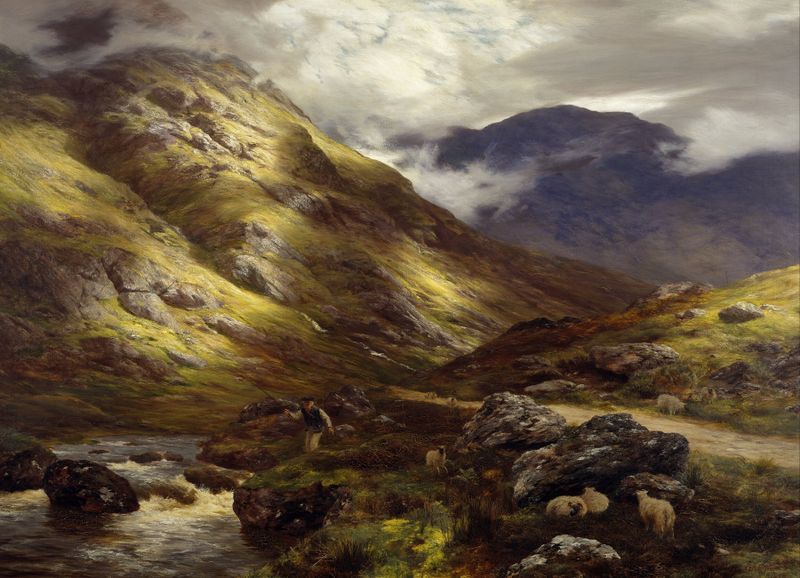
When did color learn to lie? The hues that surround us can mask the truth, wrapping fear in layers of beauty. Beneath the surface of tranquility, shadows linger, waiting to unveil their secrets. Look to the left at the gentle curve of the river, where the bright greens of summer foliage clash with the murky depths of the water. Notice how the sunlight dances upon the surface, creating a deceptive sparkle that belies the potential danger lurking below.
The winding path invites the viewer in, yet it feels ominously uncertain, a juxtaposition of openness and anxiety, crafted with meticulous brushwork and a palette that whispers both warmth and foreboding. In this piece, the contrast between light and shadow serves as a powerful metaphor for inner conflict. The winding path symbolizes the journey of life, while the river embodies the unknown, its edges both alluring and treacherous. The choice of color evokes a sense of unease — vibrant yet unsettling — igniting a primal fear of what lies beneath the surface, both literally and metaphorically, as it challenges our perceptions of safety and beauty. In 1864, while creating The Path by the Riverside, Peter Graham was immersed in the Romantic movement, exploring themes of nature and emotion with growing fervor.
Living in Scotland, he drew inspiration from its dramatic landscapes, which mirrored his own internal struggles and uncertainty in a rapidly industrializing world. This painting reflects not only his technical prowess but also a deep engagement with the complexities of existence, contrasting serenity with the ever-present specter of fear.