
After the Massacre of Glencoe — History & Facts
In the wake of unspeakable tragedy, the void of expression can bear the weight of madness, whispering secrets of anguish and despair. Look closely at the foreground, where the stark contrasts of shadow and light play across the haunting contours of the landscape. The cold, muted palette of grays and blues envelops the scene, while the jagged peaks loom ominously in the background. There, twisted trees reach for the sky like desperate hands, and the remnants of a once-vibrant community lay scattered, echoing the violence that transpired.
The cool light enhances the desolation, a chilling reminder of lives lost and suffering endured. As you delve deeper into the composition, notice the subtle interplay of despair and resilience. The ethereal mist clinging to the mountains seems to obscure the past, yet the rugged terrain stands as testimony to human endurance against unimaginable horror. Each brushstroke captures a moment frozen in time, allowing the viewer to confront the ghosts of history—both the fallen and the survivors left to grapple with their trauma.
The tension between beauty and sorrow invites reflection on the cyclical nature of violence and the madness that can ensue from unchecked power. Created during a period of personal struggle for its creator, the painting reflects the complex landscape of late 19th-century art, where romanticism and realism clashed. In an era marked by rapid change, After the Massacre of Glencoe stands as a testament to the artist's response to both historical events and his quest to capture the raw emotions that emerge in tragedy. Graham's work resonates with a contemporary audience, reminding us of the eternal scars left by conflict.
More Artworks by Peter Graham
Browse all →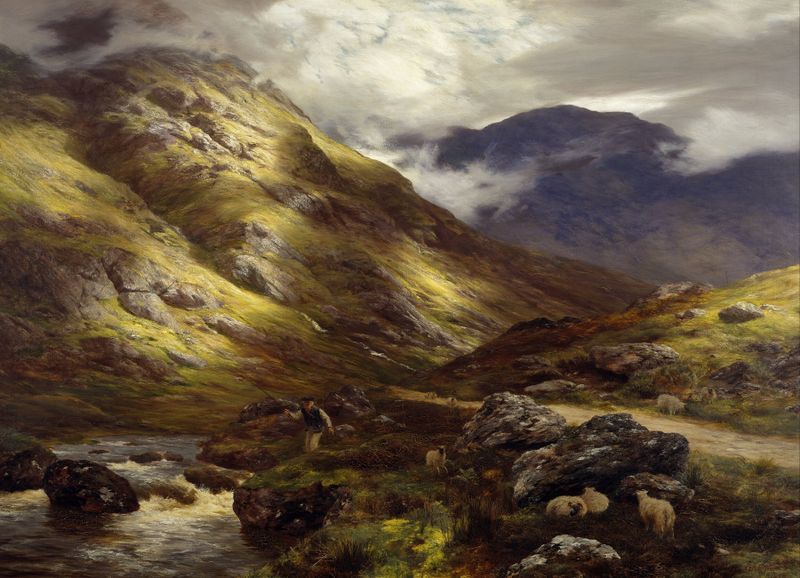

More Historical Art
Browse all →
The Night Watch Militia Company of District II under the Command of Captain Frans Banninck Cocq
Rembrandt van Rijn

Lincoln Memorial
Henry Bacon

The Third of May 1808
Francisco de Goya

Isaac and Rebecca, Known as ‘The Jewish Bride’
Rembrandt van Rijn

The Charge of the Mamelukes (1814)
Francisco de Goya

De vier ruiters van de apocalyps
Albrecht Dürer