The Path to Granollers — History & Facts
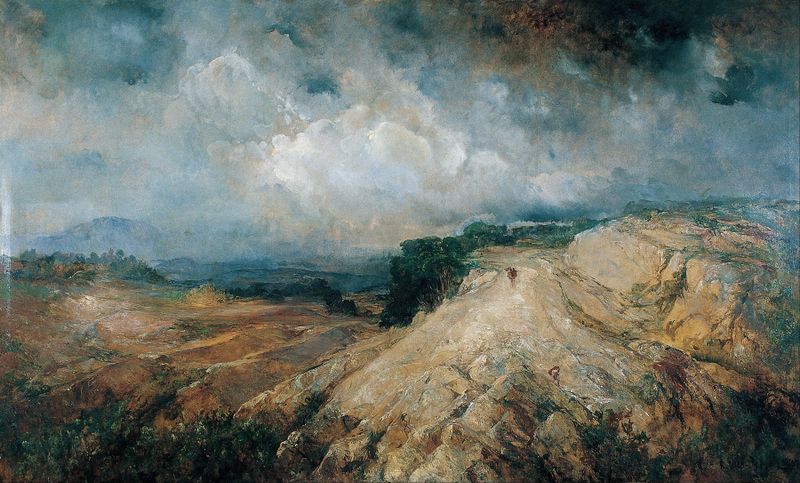
In the stillness of the moment, the path unfurls, inviting the viewer into a world of awakening. Nature breathes softly, cradling a sense of anticipation as the horizon beckons towards a distant destination. Focus on the winding path that draws your eye into the heart of the landscape. Notice how the vibrant greens of the trees contrast sharply with the muted earth tones of the soil.
The light spills across the scene, illuminating the wayward grasses that sway gently, while shadows dapple the path, creating a rhythm of light and darkness that suggests both movement and stillness. The meticulous brushwork evokes a sense of texture, almost as if you can feel the cool earth beneath your feet. As you delve deeper into the canvas, hints of emotional tension emerge: the juxtaposition of the serene landscape against the unseen journey of those who tread this route. The path symbolizes both physical and metaphorical progression, a journey toward change and self-discovery.
There’s an echo of longing in the distance; perhaps a sense of nostalgia for what has been left behind, blending seamlessly with the hope for what lies ahead. Ramon Martí i Alsina painted this work between 1866 and 1872, a time when the artist was deeply influenced by the burgeoning Romantic movement in Catalonia. Living in an era marked by political turmoil and societal transformation, he sought to capture the beauty of his homeland and the complex emotions entwined with it. This painting reflects not only the natural landscape of Granollers but also the artist's personal journey towards artistic expression and identity in a changing world.