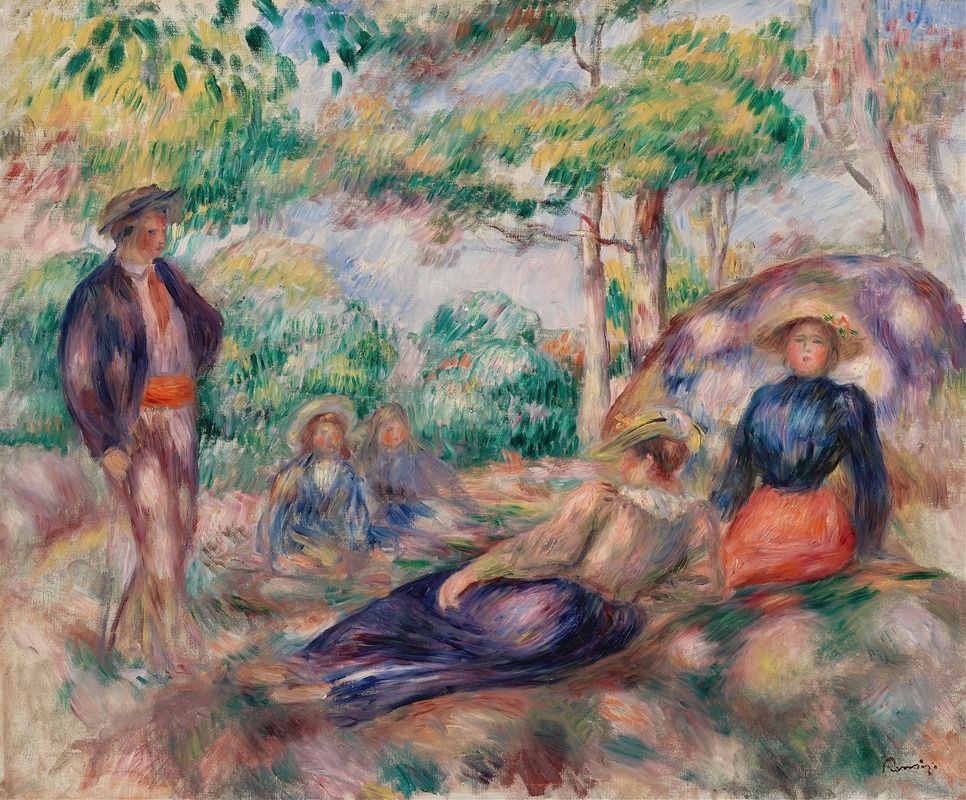
Discover insights about this artwork
The Pathetic Song — History & Facts
In The Pathetic Song, Thomas Eakins presents a somber scene filled with muted colors. The figures are depicted with a sense of realism, capturing their emotional expressions. The setting appears intimate, possibly a small room or a stage, enhancing the feeling of isolation.
The overall tone is melancholic, inviting the viewer to reflect on the emotions conveyed. The painting is executed in oil on canvas, showcasing Eakins' skill in rendering human figures and their emotions. The dimensions are approximately 76 x 102 cm, making it a sizable work that draws viewers in. The brushwork is detailed, particularly in the facial expressions of the figures, which are central to the narrative.
Eakins' use of light and shadow adds depth and dimension to the scene. Thomas Eakins, an important figure in American art, often focused on the human condition in his works. The Pathetic Song reflects his interest in capturing raw emotion and the complexities of human relationships. Interestingly, Eakins was also a skilled photographer, which influenced his approach to composition and realism in painting.
This work exemplifies his dedication to portraying life as it is, without idealization.
More Artworks by Thomas Eakins
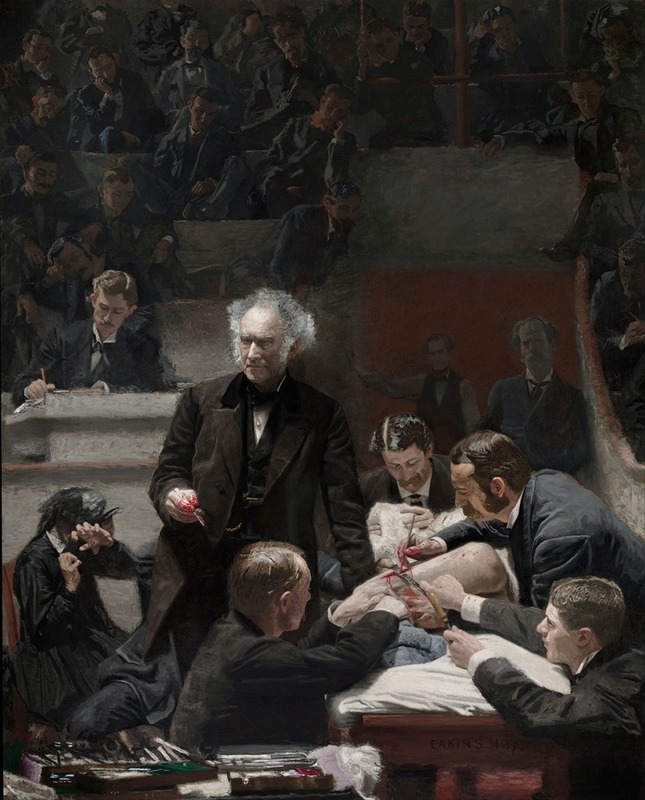
Portrait Of Dr. Samuel D. Gross (The Gross Clinic)
Thomas Eakins
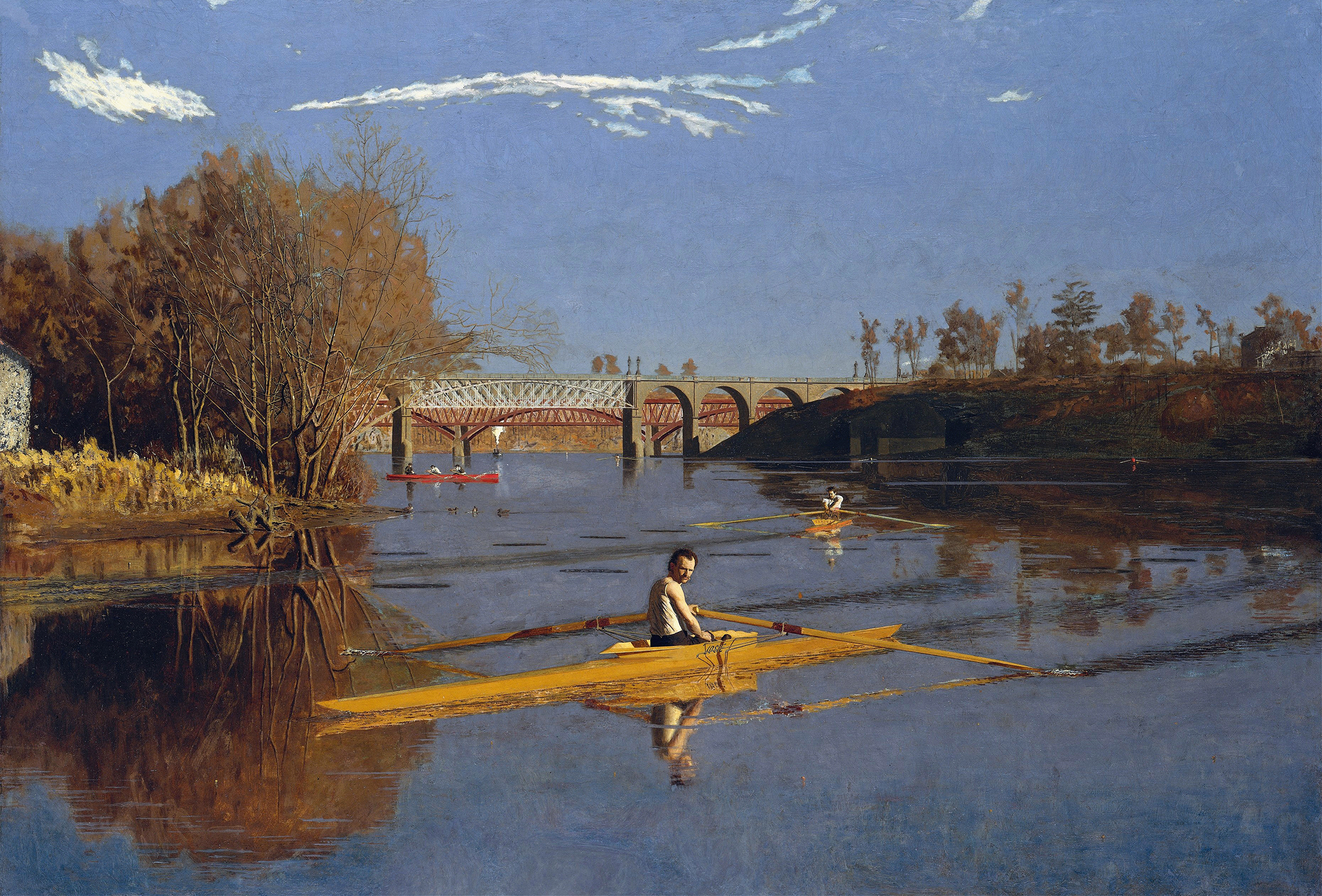
The Champion Single Sculls (Max Schmitt in a Single Scull)
Thomas Eakins
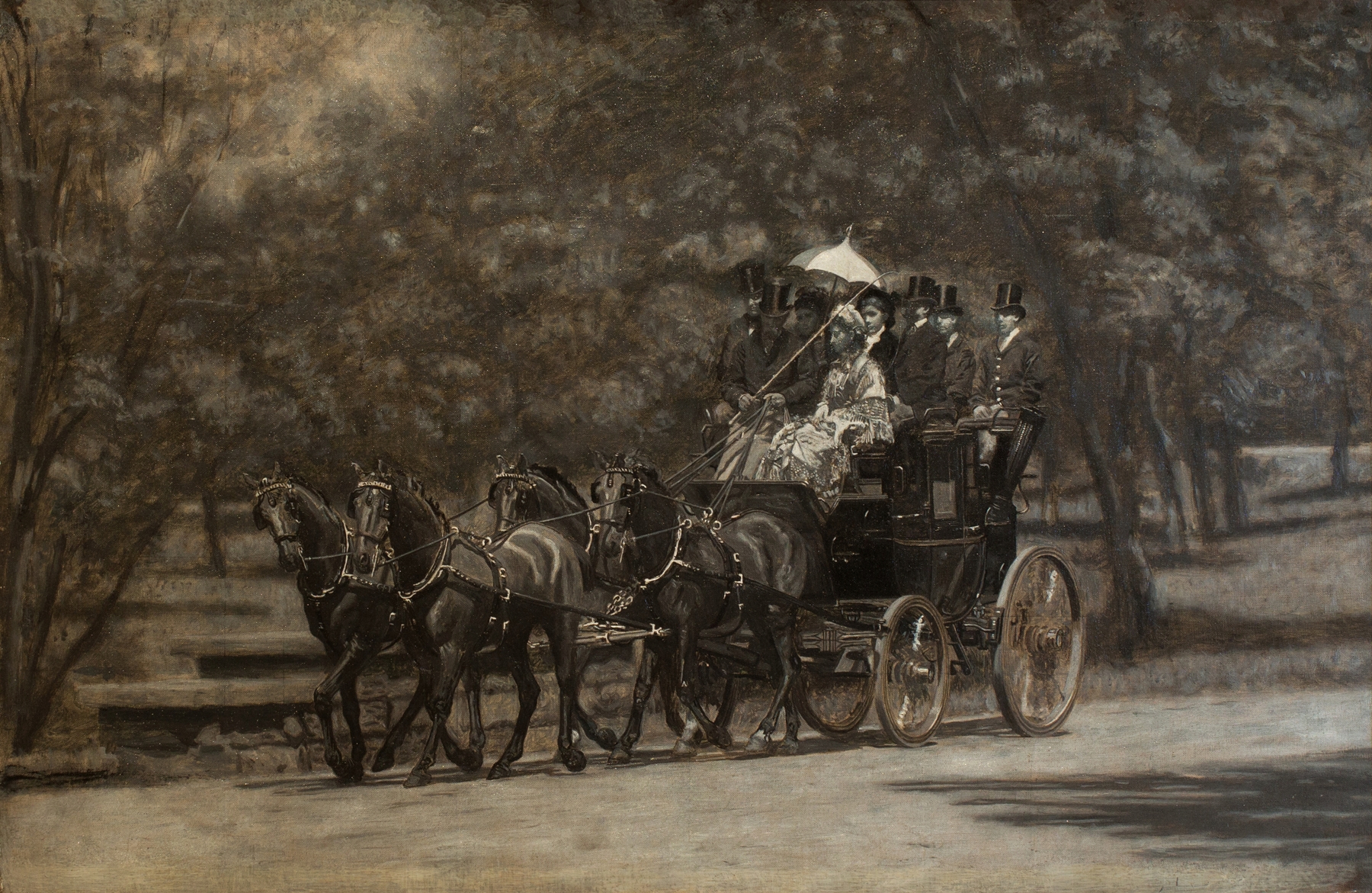
The Fairman Rogers Four-In-Hand (A May Morning in the Park)
Thomas Eakins
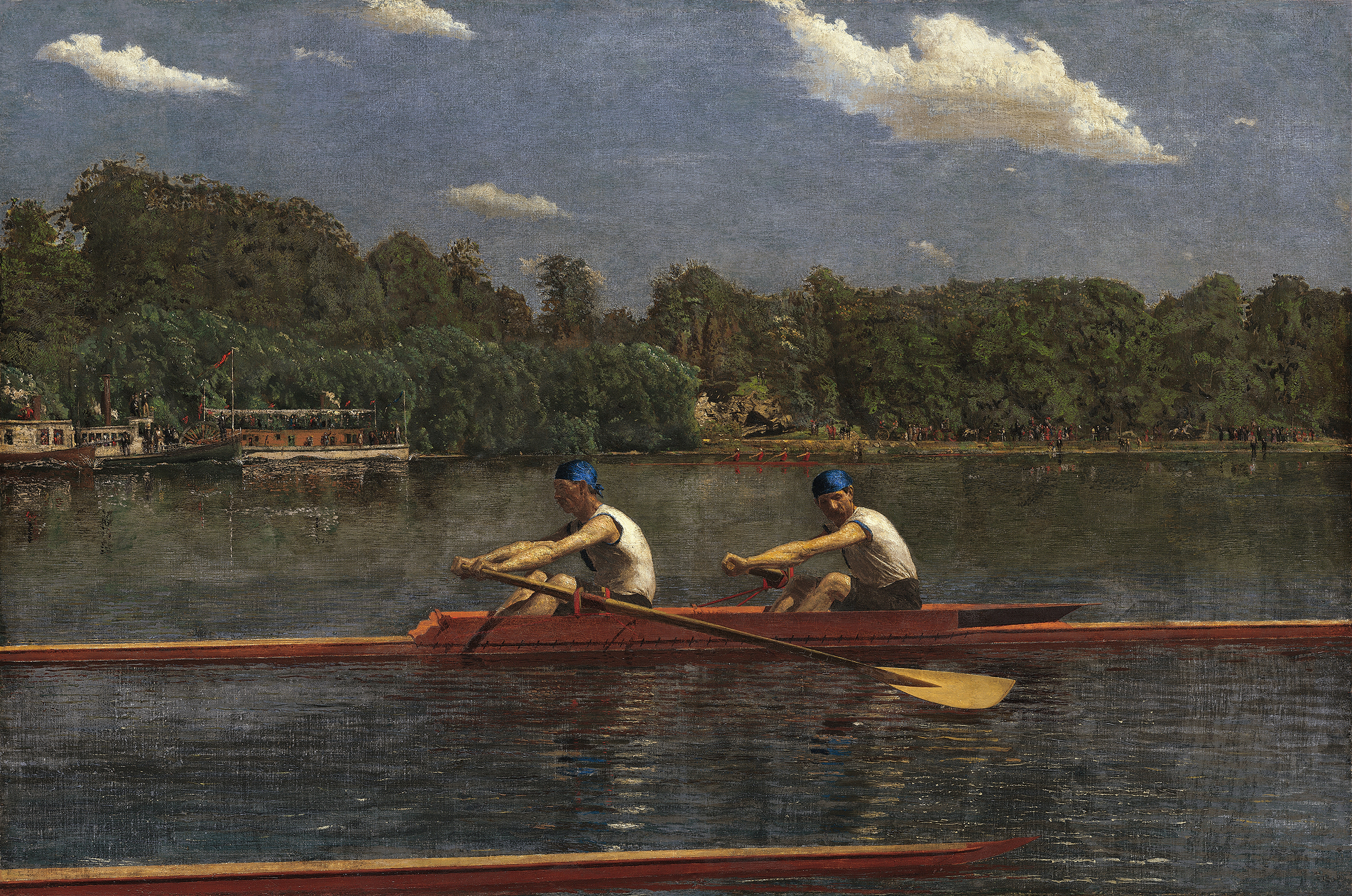
The Biglin Brothers Racing
Thomas Eakins
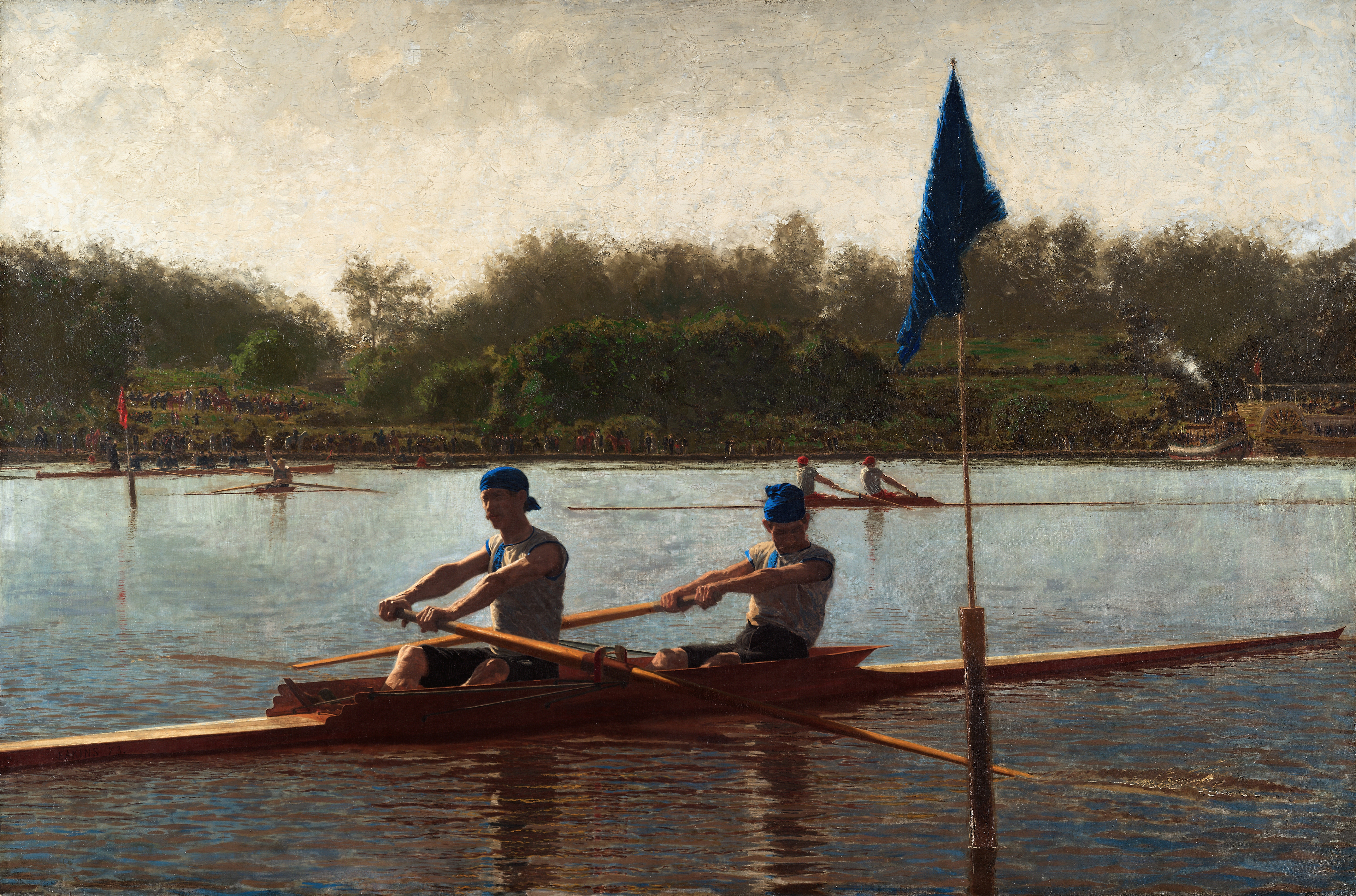
The Biglin Brothers Turning the Stake
Thomas Eakins
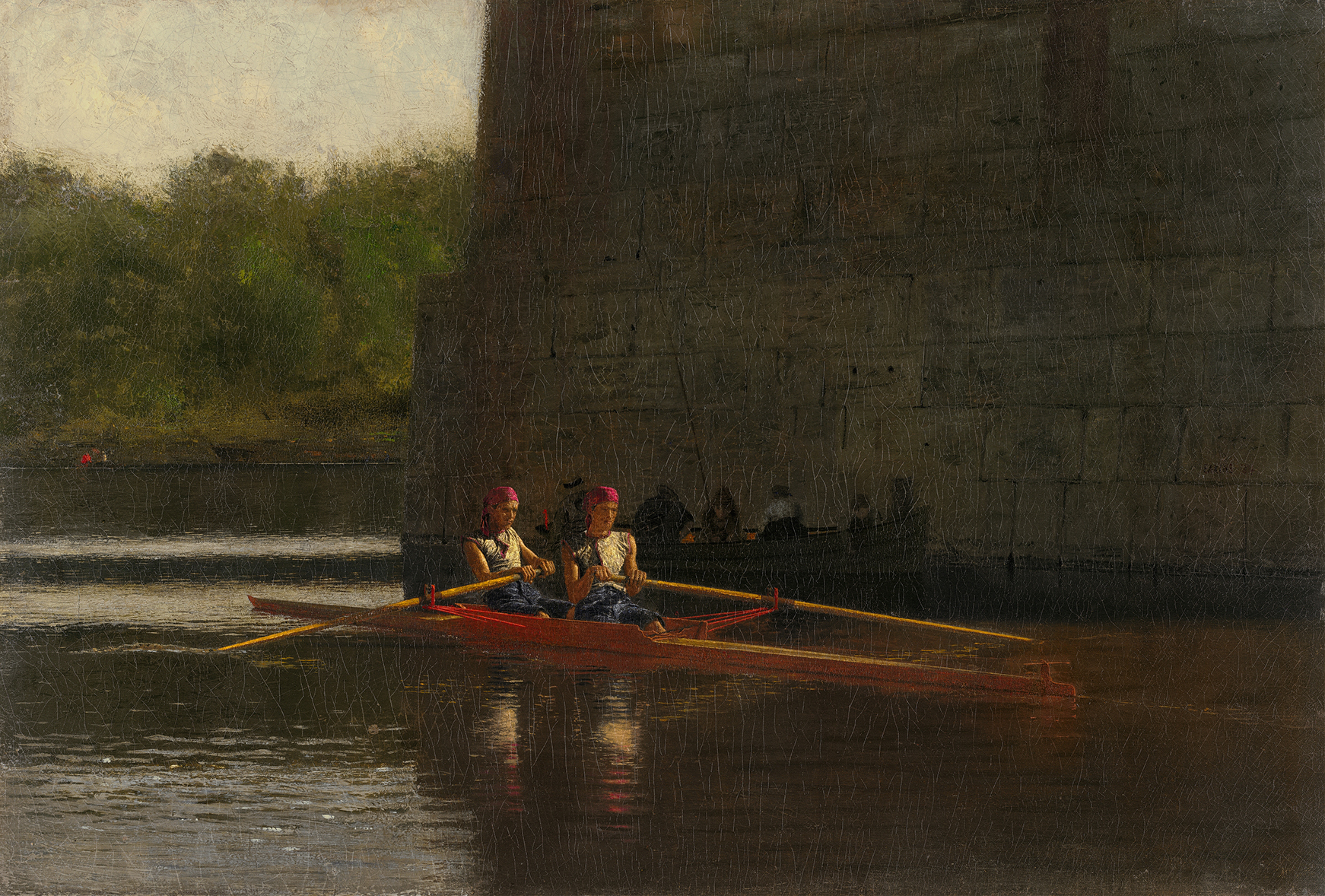
The Oarsmen (The Schreiber Brothers)
Thomas Eakins

Study for "William Rush Carving His Allegorical Figure of the Schuylkill River"
Thomas Eakins

Portrait of Mary Adeline Williams
Thomas Eakins
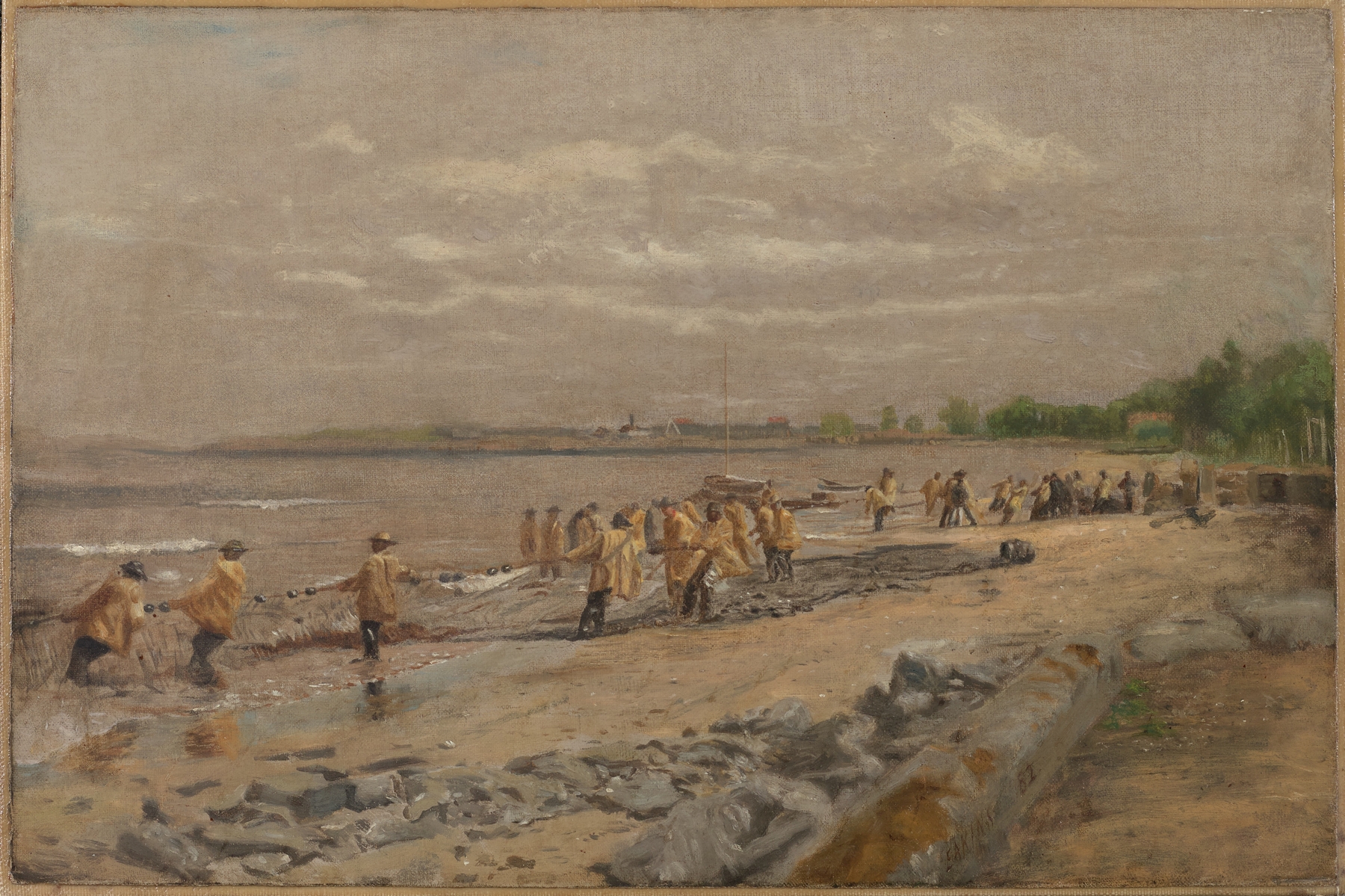
Hauling the Seine
Thomas Eakins
Portrait Of John B. Gest
Thomas Eakins