
The Piazzetta di San Marco in moonlight, Venice — History & Facts
What if silence could speak through light? In the tender embrace of moonlight, grief takes on a tangible form, whispering through the stillness of a Venetian night. Shadows lengthen and stretch, while the soft luminescence dances upon the ancient stones, evoking a profound sense of longing. Look to the foreground, where the cobblestones glisten with a wet sheen, reflecting the silver glow of the moon above. The gentle arch of the architecture frames the scene, drawing your gaze toward the quiet figures that linger in the shadows.
Notice how the contrasts between light and dark create an almost ethereal quality, highlighting the melancholy that permeates the air. Each careful brushstroke invites you deeper into the ambiance of solitude that envelops the piazza. Beneath the serene surface lies an emotional landscape rich with tension. The figures, though still, seem to carry the weight of unspoken stories—a shared loss perhaps, as their silhouettes hint at conversation but remain just out of reach.
The moonlit scene juxtaposes the beauty of Venice with an undercurrent of sorrow, reminding us that even in the most picturesque settings, grief can linger like a ghost, haunting the corners of our hearts. During the time The Piazzetta di San Marco in moonlight was created, Giovanni Grubacs grappled with the evolving artistic landscape of late 19th-century Venice. The city, steeped in history and art, was experiencing a shift as modernity crept in, yet the artist clung to the romanticism of the past. His work reflects not only a personal exploration of nostalgia and loss but also a broader dialogue about the fading grandeur of a city that had once danced vibrantly under the sun.
More Artworks by Giovanni Grubacs
Browse all →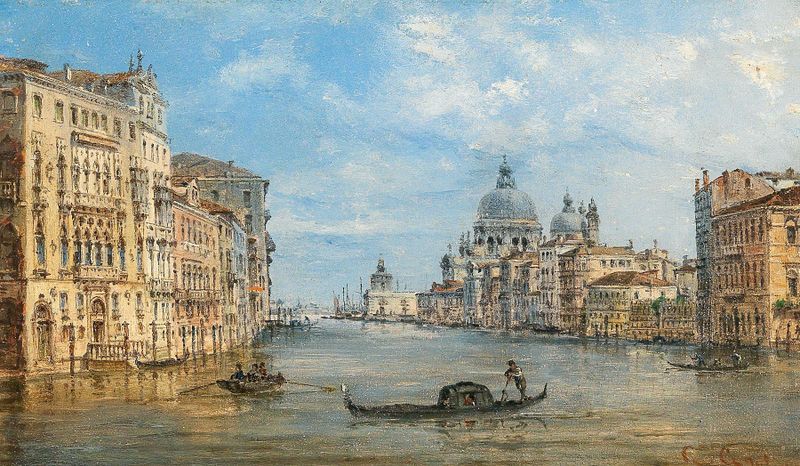
Venice, a view of the Grand Canal
Giovanni Grubacs
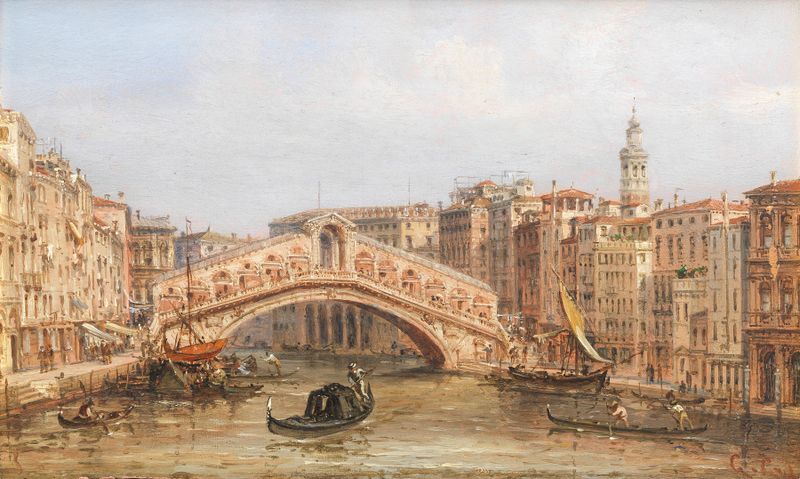
The Rialto Bridge
Giovanni Grubacs
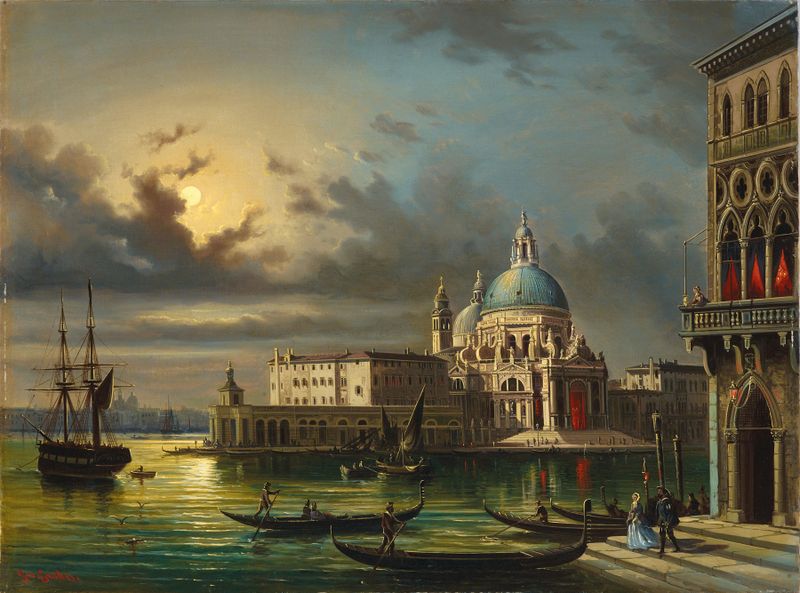
The Punta della Dogana and Santa Maria della Salute, Venice in moonlight
Giovanni Grubacs
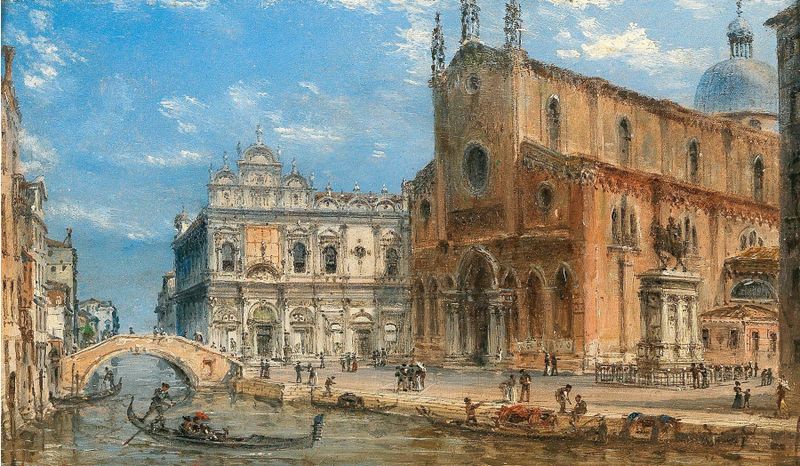
Venice, a view of San Zanipolo with the Colleoni equestrian monument
Giovanni Grubacs
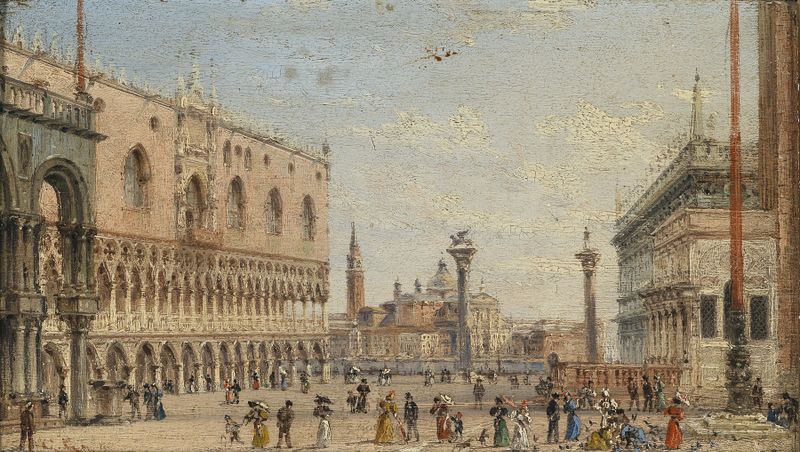
Venedig Piazza San Marco
Giovanni Grubacs
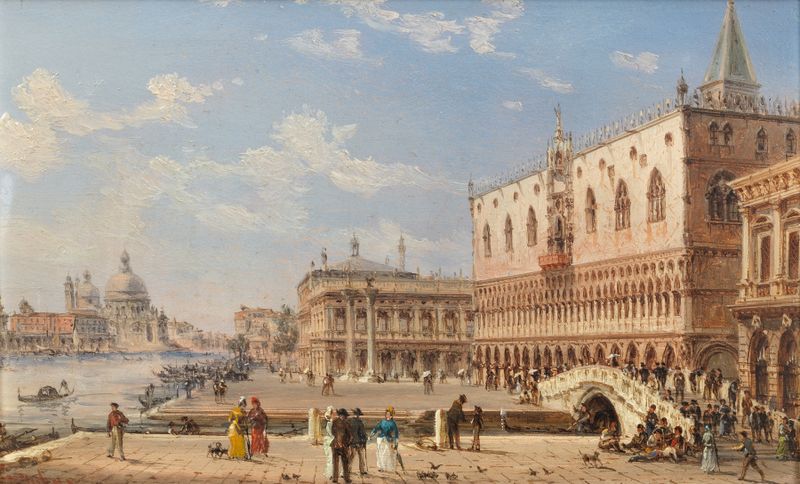
Doge’s Palace with the Ponte della Paglia
Giovanni Grubacs
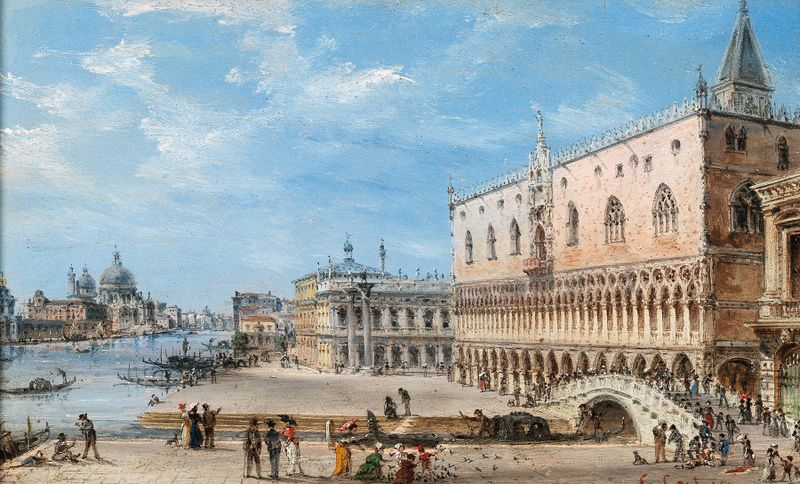
Riva degli Schiavoni
Giovanni Grubacs
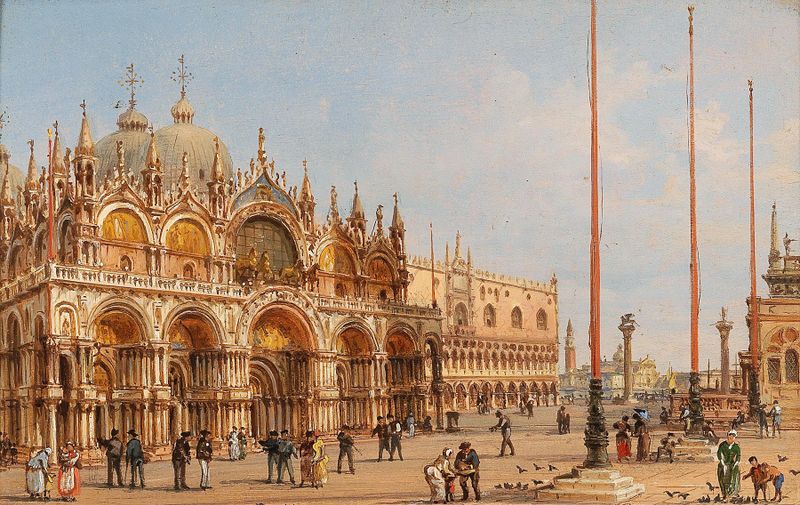
A View Of St Mark’s Basilica And A View Of St Mark’s Square
Giovanni Grubacs
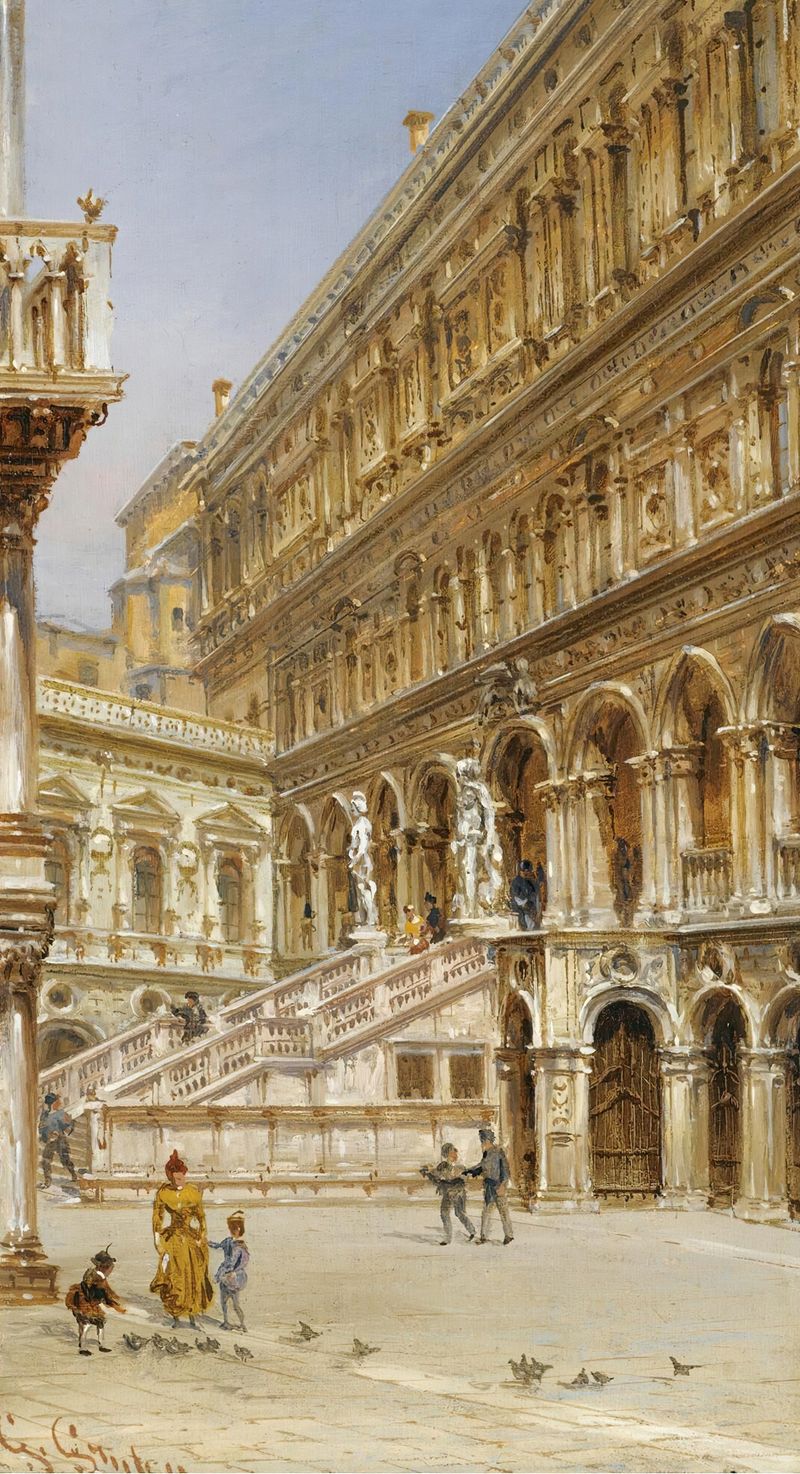
The Giants’ Staircase In The Courtyard Of The Doge’s Palace
Giovanni Grubacs
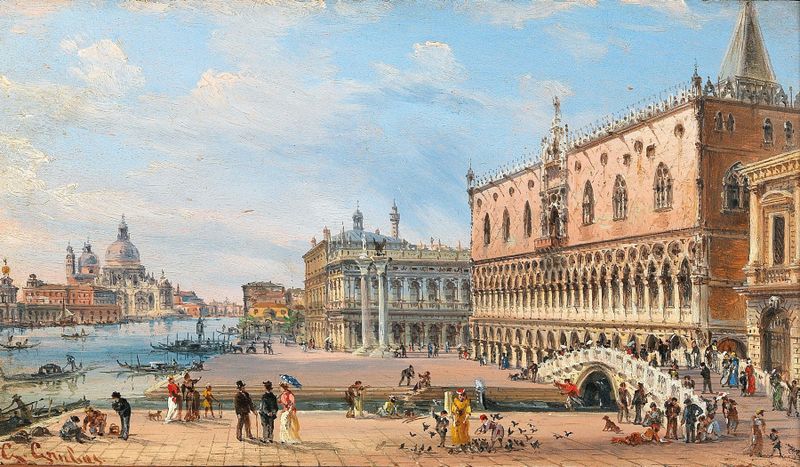
Venice, a view of Palazzo Ducale, and Santa Maria della Salute
Giovanni Grubacs





