
The Pool at Evening — History & Facts
When did color learn to lie? The bold hues of twilight have a way of masking hidden truths, whispering stories of what lies beneath the surface. In The Pool at Evening, the interplay of light and shadow invites us to question the nature of beauty and its inherent transience. Look to the center of the canvas, where the pool mirrors the fiery sky, its surface shimmering with oranges and deep blues. The serene water creates a striking contrast with the lush foliage surrounding it, which is painted in rich, green tones that suggest life and vitality.
Notice how the artist skillfully employs brushwork to evoke the gentle ripples, capturing both movement and stillness. The framing of the trees encases the scene, guiding the viewer’s gaze inward, as if beckoning us to dive into the depths of this tranquil moment. Yet, beneath the idyllic exterior lies an undercurrent of melancholy. The fading light hints at the passage of time and the inevitability of change, a reminder that beauty is fleeting.
The richness of the colors may seduce us, but the impending darkness serves as a metaphor for the secrets that seep into our lives, obscured by the glamour of appearances. This emotional tension between serenity and foreboding creates a poignant reflection on legacy, as we ponder what memories we choose to preserve and which we allow to fade. George Barret Jr. painted The Pool at Evening during a time when Romanticism was shaping the landscape of British art, likely in the late 18th century.
As he sought to capture nature's beauty, he was also navigating the evolving art world, where tradition and innovation collided. This painting not only showcases his mastery of color and light but also reflects a broader dialogue about the relationship between nature and human experience during that era.
More Artworks by George Barret Jr.
Browse all →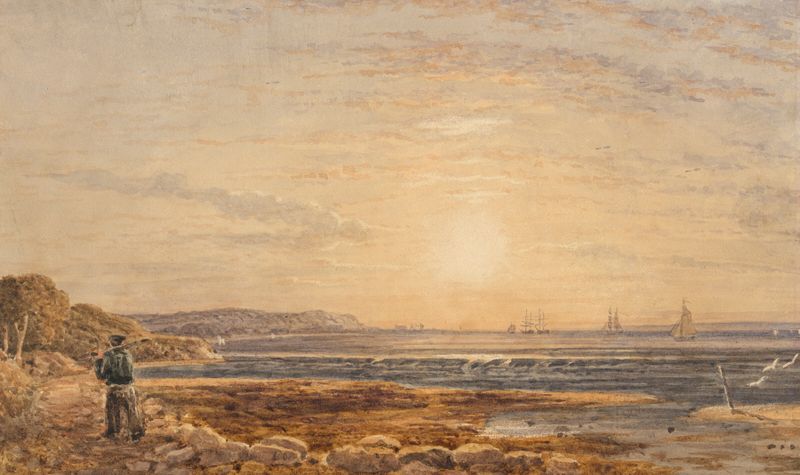
The Needles from Alum Bay, Isle of Wight, at Sunset
George Barret Jr.
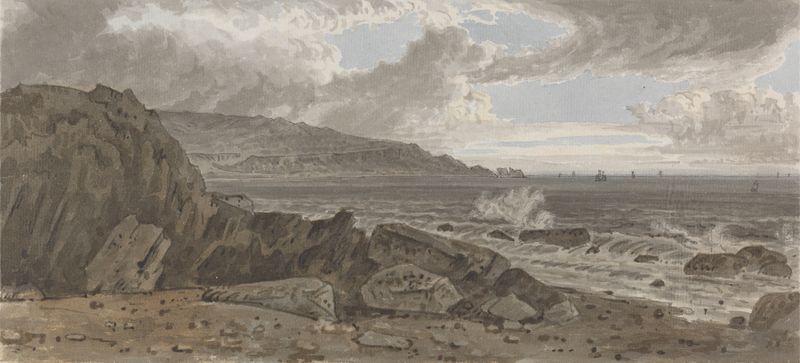
The Needles from Alum Bay
George Barret Jr.
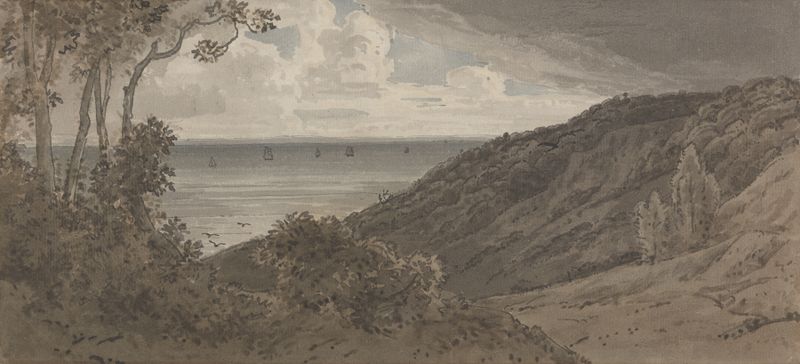
Boulner, East Yarmouth
George Barret Jr.
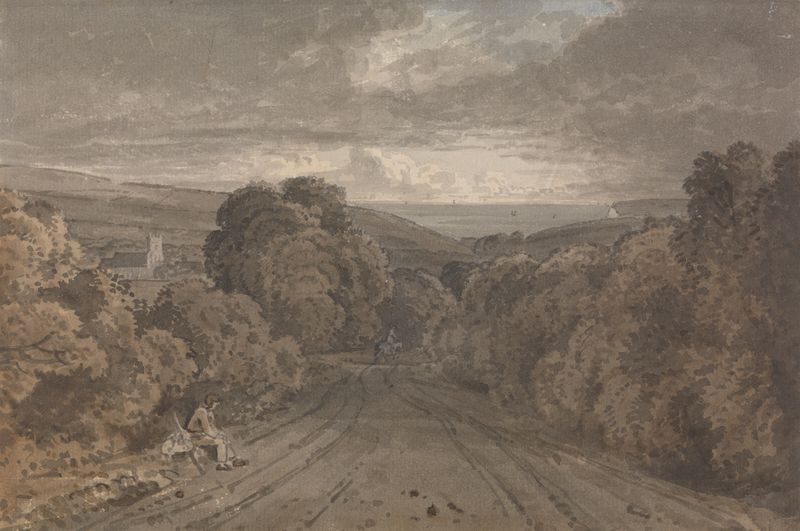
Approach to Hastings
George Barret Jr.

Old House. Stratford on Avon
George Barret Jr.
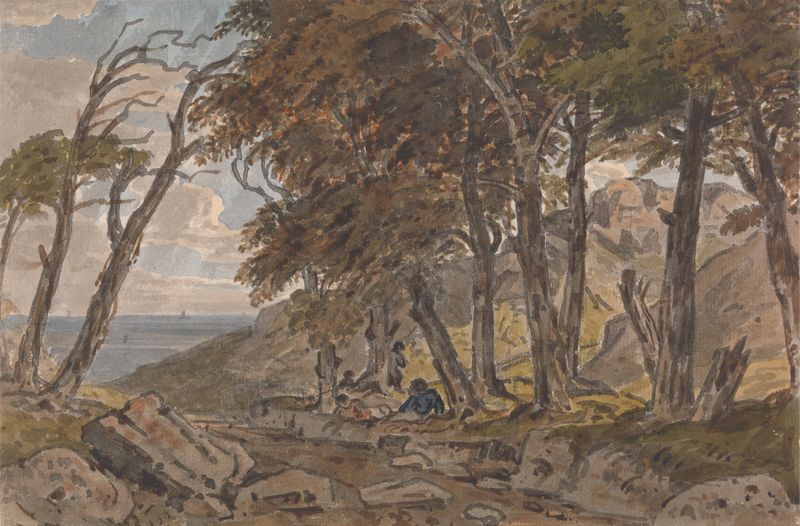
Figures on the Bank of a Wooded Lane, with Sea in Distance Left
George Barret Jr.
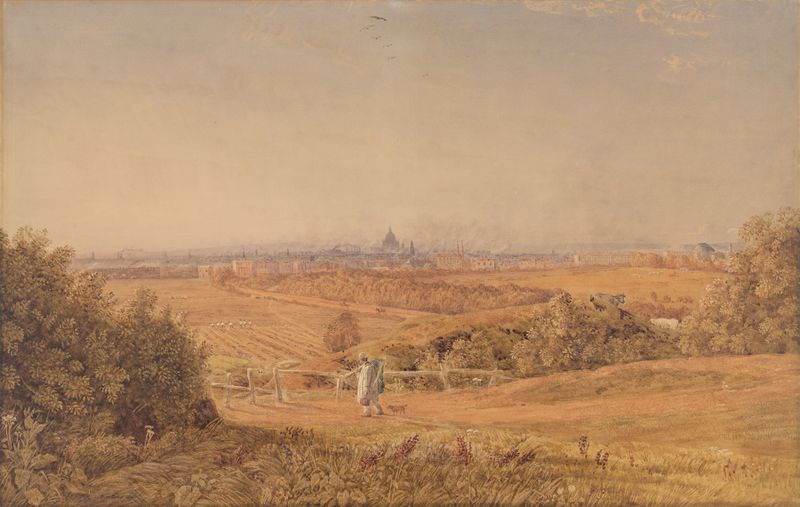
A View of London from Highgate
George Barret Jr.

A Cottage in the Isle of Wight
George Barret Jr.





