
Boulner, East Yarmouth — History & Facts
Art reveals the soul when the world turns away. In moments of quiet reflection, color becomes a language of emotion, whispering secrets that words cannot capture. Look to the foreground, where rich greens collide with soft, muted browns, creating a lush tapestry that invites you in. The brushwork here is both lively and delicate, a testament to the artist's skill in capturing the essence of nature.
Notice how the interplay of light and shadow dances across the landscape, illuminating patches where sunlight caresses the foliage, creating a sense of depth that envelops the viewer. Beneath this serene surface lies a contrast between tranquility and the passage of time. The gentle ripples of the water reflect not only the skies above but also an echo of memories held within its depths. As you explore further, the distant horizon hints at an unseen world beyond the canvas—one that stirs a longing for exploration and connection.
Each stroke reveals a narrative, a poignant reminder of the fleeting beauty of nature and our place within it. George Barret Jr. created Boulner, East Yarmouth during a period when landscape painting was evolving in the 18th century, particularly in England. With the rise of Romanticism, artists began to emphasize the emotional qualities of nature.
His works reflect both personal introspection and broader movements in art, as he navigated his own career amidst a growing appreciation for the sublime qualities of the natural world.
More Artworks by George Barret Jr.
Browse all →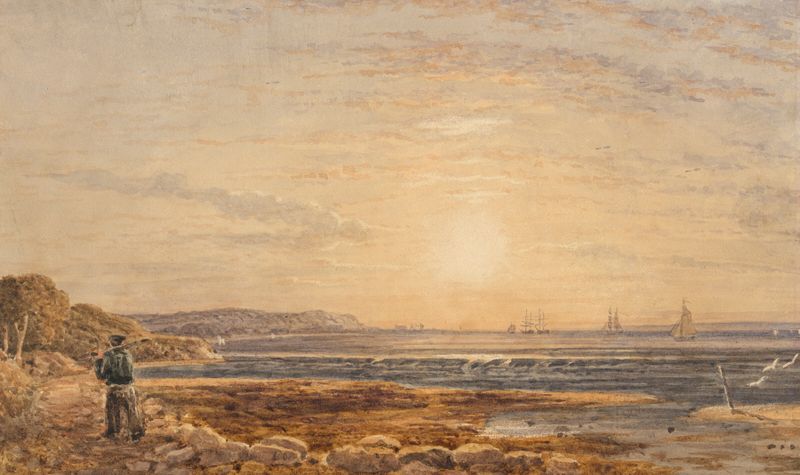
The Needles from Alum Bay, Isle of Wight, at Sunset
George Barret Jr.
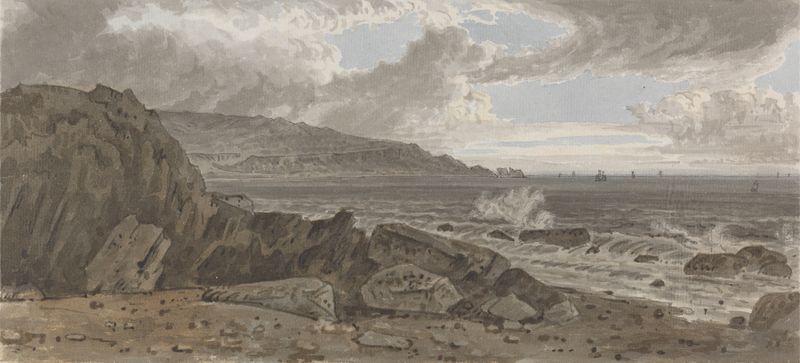
The Needles from Alum Bay
George Barret Jr.
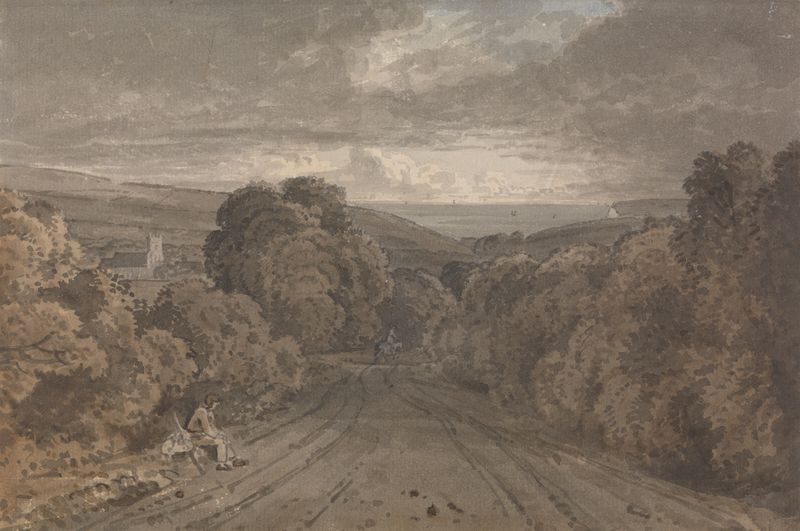
Approach to Hastings
George Barret Jr.

Old House. Stratford on Avon
George Barret Jr.
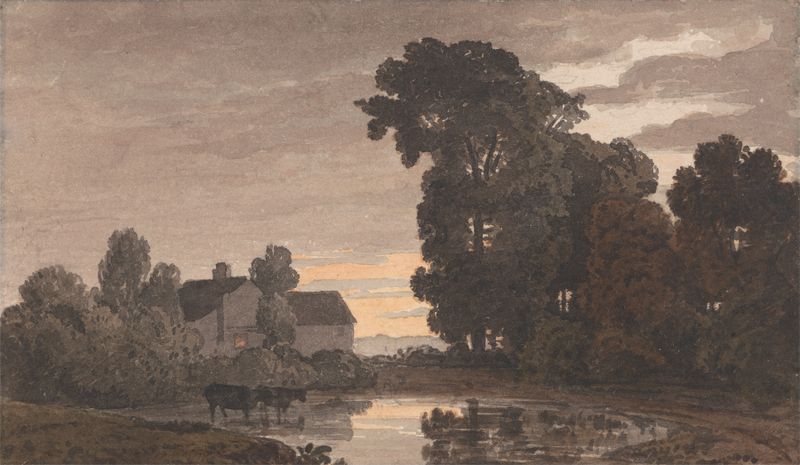
The Pool at Evening
George Barret Jr.
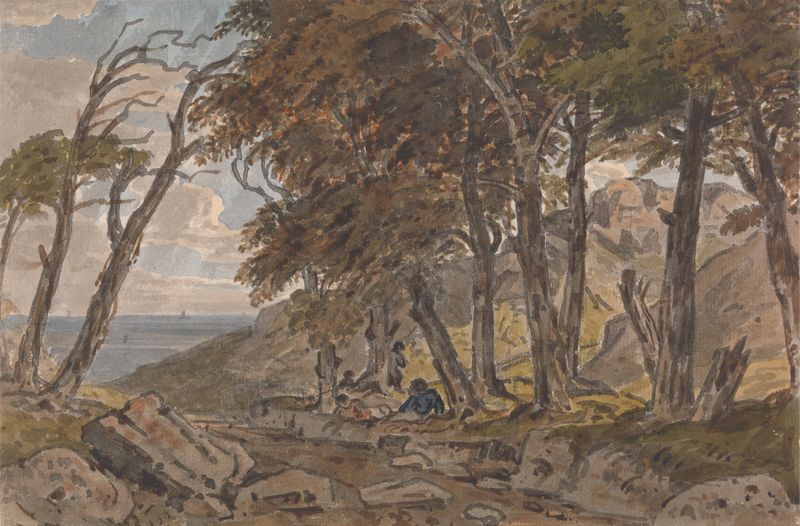
Figures on the Bank of a Wooded Lane, with Sea in Distance Left
George Barret Jr.
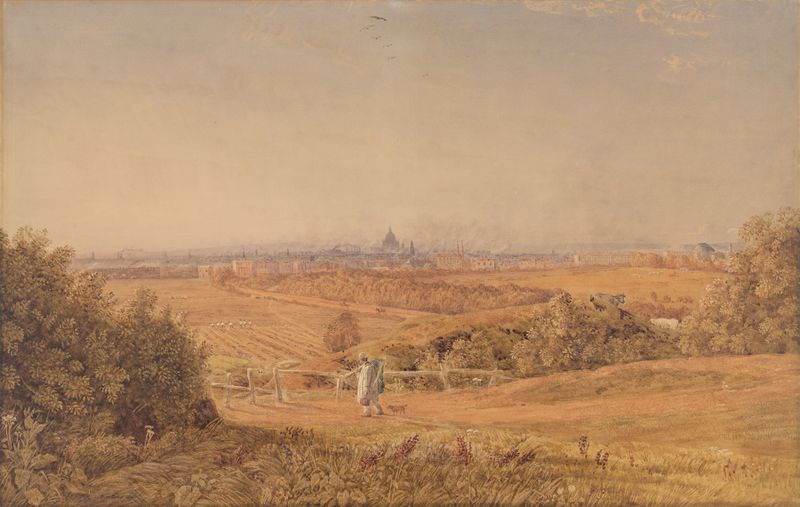
A View of London from Highgate
George Barret Jr.

A Cottage in the Isle of Wight
George Barret Jr.





