The Posillipo Grotto At Naples — History & Facts
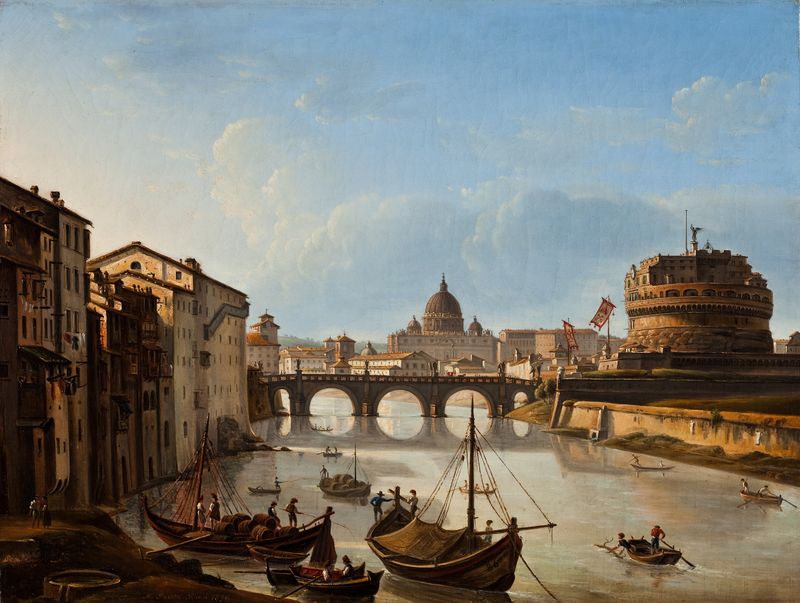
What if silence could speak through light? The haunting beauty of a landscape can evoke deeper sorrows than words ever could, whispering grief in quiet tones. Focus on the gentle interplay of light and shadow in the water, where the surface glimmers with a fleeting brightness that belies the darkness lurking beneath. Notice how the rugged cliffs frame the grotto, their textured forms contrasting against the serene waterway, drawing the eye into a melancholic embrace. The muted color palette of blues and greys sets a somber mood, while a soft glow hints at something lost, a past moment still lingering in the air. Beneath the tranquil surface, the artwork captures a poignant duality.
The serene grotto evokes a sense of solace, yet the surrounding shadows hint at the weight of grief that lingers in the air. The contrasting elements of light and dark within the composition speak to the tension between hope and despair, suggesting that even in moments of beauty, sorrow is never far away. In the delicate brushstrokes, we can sense the artist's introspection, as if he is grappling with his own emotions reflected in the landscape. Created in c.
1833, this work emerged during a period when Michelangelo Pacetti was deeply engaged with themes of nature and emotion. Living in Italy, he was influenced by the Romantic movement's preoccupation with the sublime, as well as personal experiences that shaped his artistic vision. His exploration of landscapes not only reflected the natural world but also served as a canvas for his inner turmoil, capturing the essence of grief that resonates throughout his oeuvre.