View Of The Tiber In Rome, Showing St. Peter’s And The Castle Of St. Angelo — History & Facts
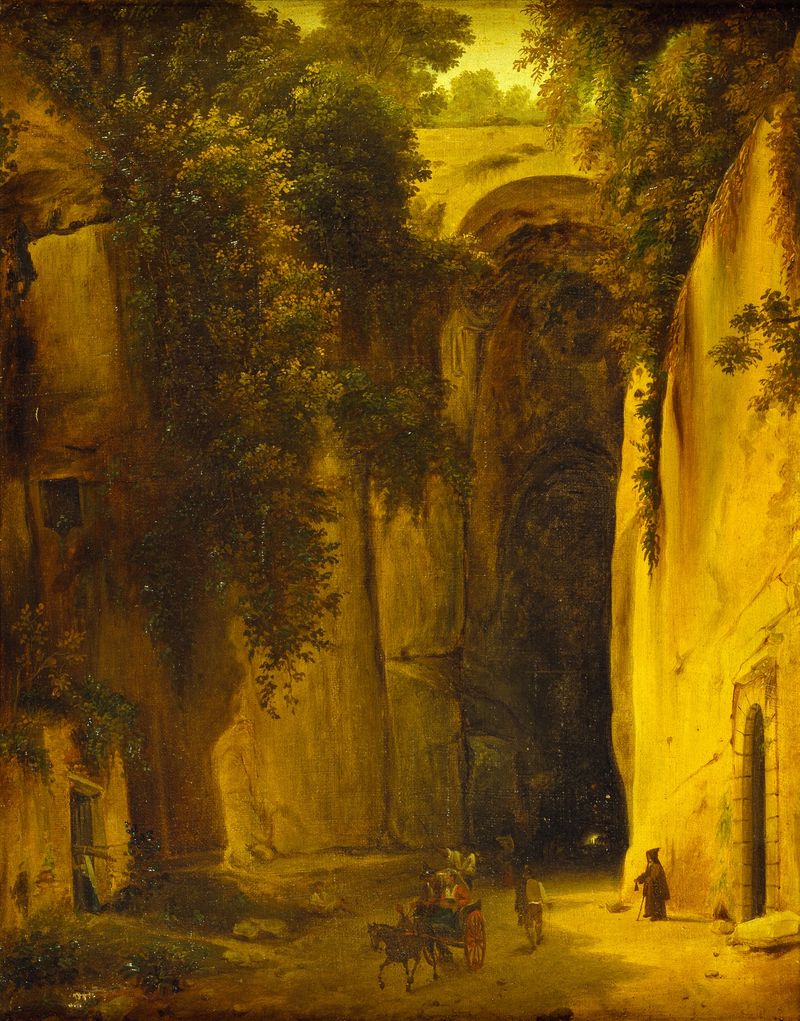
Could beauty survive in a century of chaos? This question resonates deeply within the serene contours of the landscape, a testament to resilience amid the tumult of history. Look closely at the foreground where the Tiber winds gracefully, its waters reflecting the soft hues of a setting sun. Notice how the light delicately illuminates the domes of St. Peter’s Basilica, creating a halo effect that draws the eye upwards.
The sweeping arches of the castle frame the scene, anchoring the composition while the lush greenery on the banks hints at life continuing unabated, despite the encroaching shadows of a changing world. Beneath this tranquil facade lies a juxtaposition of stability and impermanence. The robust structure of the castle symbolizes strength, yet is contrasted by the gentle ripples of the river, suggesting the passage of time. The choice of a serene palette evokes a sense of nostalgia, as if the artist yearns for a lost world, inviting the viewer to reflect on their own experiences of change and continuity.
The presence of both man-made marvels and nature emphasizes the interplay between human ambition and the enduring force of the natural world. In 1835, as View Of The Tiber In Rome, Showing St. Peter’s And The Castle Of St. Angelo was painted, Michelangelo Pacetti was navigating the complex currents of a city steeped in artistic legacy.
The economic and political turbulence of Italy during this period fostered a renewed interest in classical themes and landscapes. With the weight of artistic giants behind him, Pacetti sought to capture not just the physical beauty of Rome, but the hope that art could endure against the backdrop of historical uncertainty.