
The Prodigal Son — History & Facts
What if beauty was never meant to be finished? In The Prodigal Son, the viewer is drawn into a world suspended between nostalgia and longing, where both the past and present intertwine in a poignant moment of reflection. Look to the center of the canvas, where the figure of the son occupies a space charged with emotion. His contemplative pose is framed by a soft, golden light that seems to spill from the sky, illuminating the warmth of his skin and the texture of his humble garments. Surrounding him, the landscape breathes with life; lush greens and earthy browns create a serene backdrop, accentuating his emotional turmoil.
Every brushstroke conveys the delicate play of light and shadow, guiding the viewer's gaze and inviting them to ponder the weight of his journey. Delve deeper into the details: notice the subtle expression of regret on the son’s face, a testament to the complexities of forgiveness and redemption. The stark contrast between the innocence of his youth and the burden of his choices creates a tension that resonates throughout the piece. Additionally, the distant figures, blurred in the background, symbolize the unresolved relationships and unspoken words that linger in the air, highlighting the themes of separation and reconciliation. In 1867, Zünd created this work amidst a period of personal and artistic evolution.
Living in Switzerland, he was exploring the balance between realism and emotional depth in his paintings. At this time, the art world was shifting, and he sought to capture the essence of human experience, grounding his subjects in the everyday while reaching for profound emotional truths.
More Artworks by Robert Zünd
Browse all →
Blick Von Schönbühl Auf Den Vitznauerstock
Robert Zünd
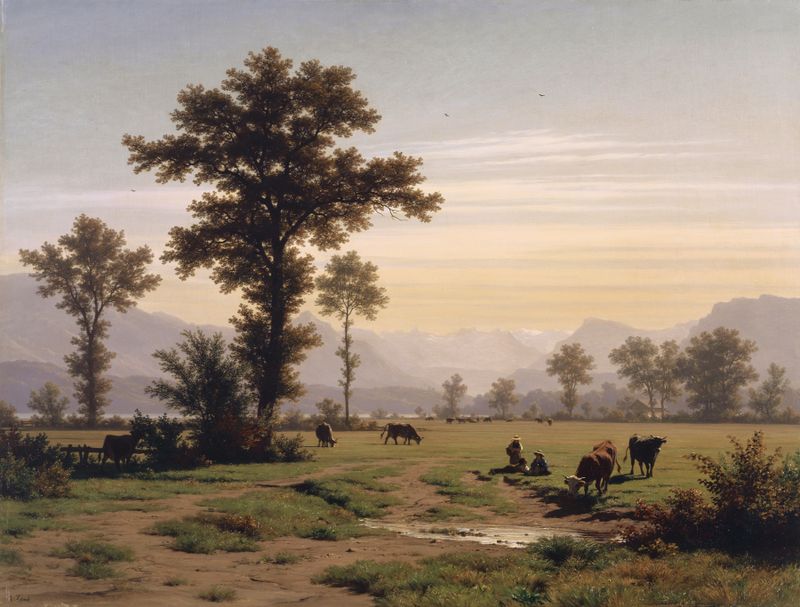
Landscape near Lucerne
Robert Zünd
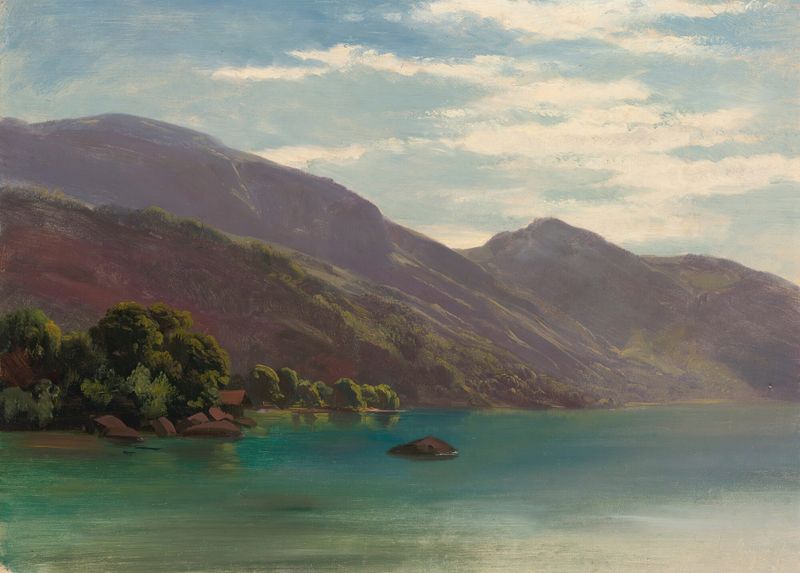
Vierwaldstättersee
Robert Zünd

Sonnige Au
Robert Zünd
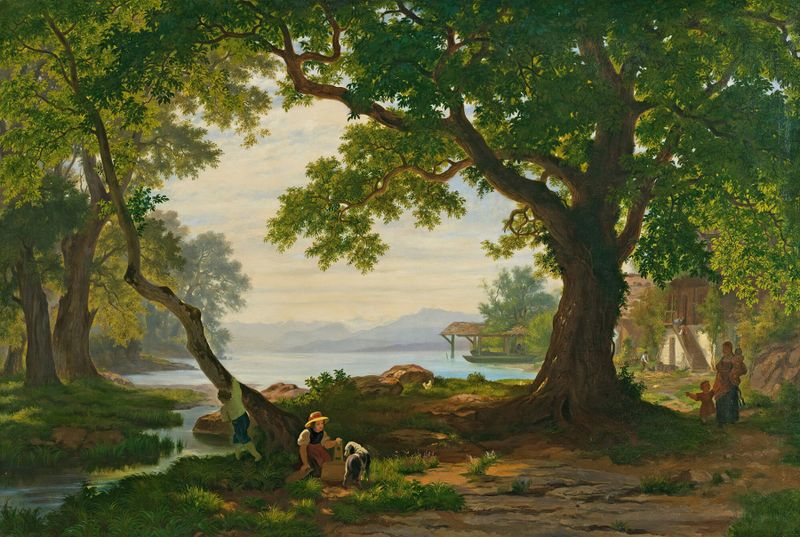
At Lake Sempach
Robert Zünd

Rest of the Holy Family on the Flight into Egypt
Robert Zünd

Waldweg Forest Track
Robert Zünd

Three Crosses Along A Country Lane
Robert Zünd
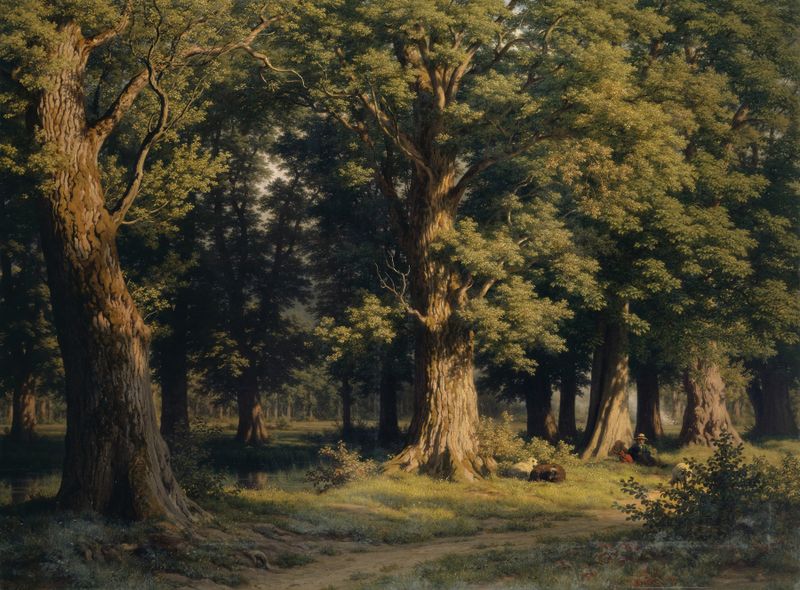
Grove near Lucerne
Robert Zünd
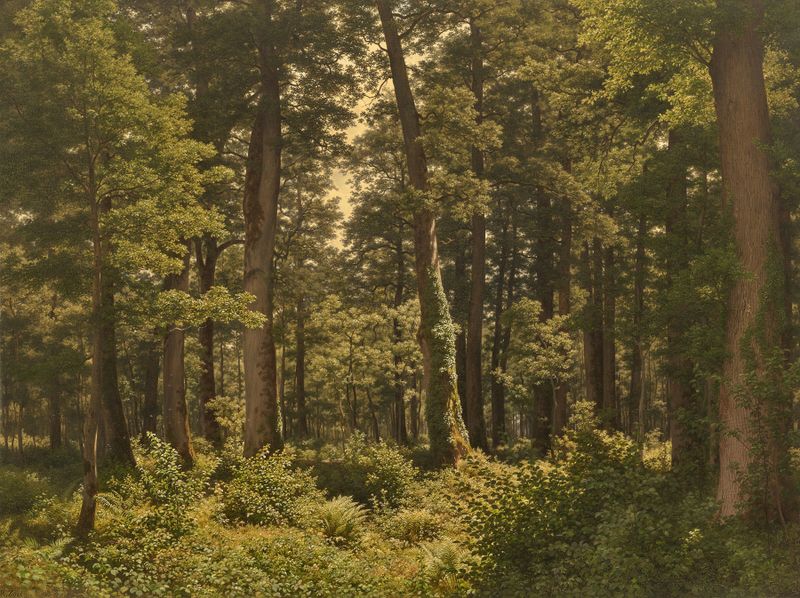
Eichwald (Oak Forest)
Robert Zünd





