The Ravine — History & Facts
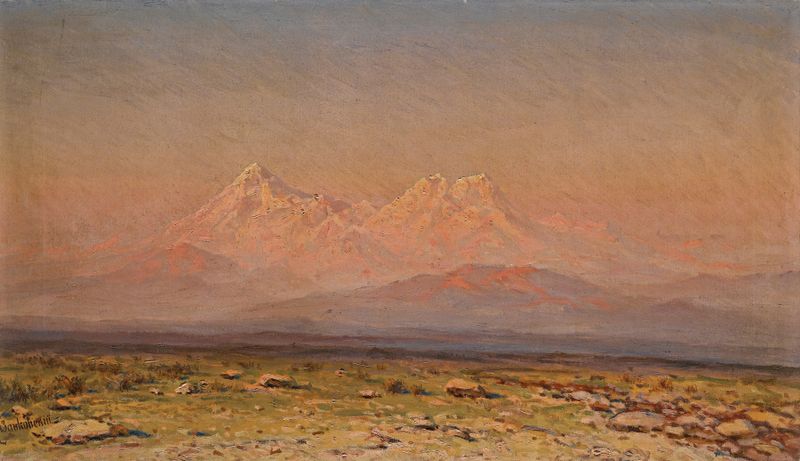
Did the painter know this moment would outlive them? In the depths of The Ravine, an atmosphere of profound grief lingers, inviting contemplation and emotion from all who gaze upon it. Focus on the dark, gnarled trees in the foreground, their twisted branches reaching toward the sky as if grasping for an escape. Notice how the muted, earthy tones juxtapose sharply with fleeting hints of light that filter through the foliage, casting shadows that dance across the forest floor. The composition, with its dynamic diagonal lines, leads the viewer’s eye deeper into the ravine, beckoning them into the heart of the scene. A sense of loss permeates the painting, merging the natural landscape with the emotional weight of absence.
The winding path suggests a journey through grief, while the stark contrast between light and dark hints at the struggle between hope and despair. Each leaf and shadow contributes to the narrative, as if the ravine itself mourns the stories untold, the lives unfulfilled. Zankovsky created this work during a time of personal and artistic turmoil, navigating the complexities of life in the early 20th century. The artist's explorations of landscape were deeply influenced by the broader movements in Russian art, where the relationship between nature and emotion became a powerful theme.
Amidst changing political landscapes, this piece reflects a moment of introspection, capturing a universal experience that resonates across time.