The Recieving House of the Humane Society in Hyde Park — History & Facts
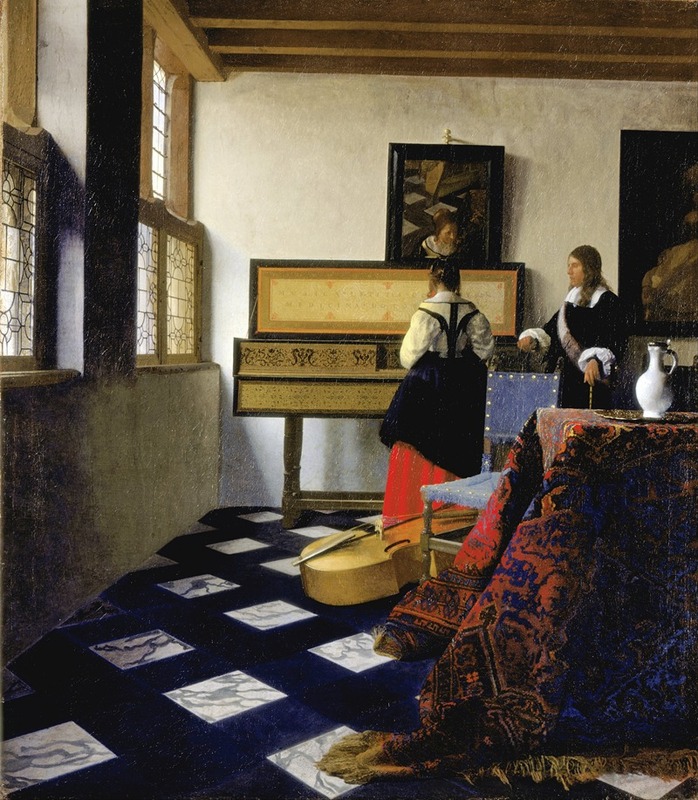
Can paint confess what words never could? Within the decaying walls of a forgotten space, the remnants of compassion linger, whispering stories of the past. Focus on the fading interior to the left, where peeling paint reveals the tender embrace of time. The light filters through broken windows, casting intricate patterns that dance upon the dust-laden floor. Notice how the muted palette speaks volumes; browns, ochres, and grays reflect not just the physical decay but an emotional landscape of lost hope and forgotten dreams.
This is not merely an architectural study; it is a haunting reminder of what was once a sanctuary. Within this solemn scene, the juxtaposition of the vibrant memories of care and the stark reality of decay creates a poignant tension. Each cracked corner and splintered beam seems to symbolize the fragility of mercy, echoing the need for empathy that remains unfulfilled. The artwork compels the viewer to confront the sorrow of neglect, raising questions about society's responsibility to those in need and the weight of what we choose to forget. Harriet Gouldsmith Arnold created this piece during a pivotal time in her career, likely in the late 19th century, as she navigated the complexities of social reform movements.
Working in the backdrop of a rapidly industrializing world, she captured a moment that held the essence of her advocacy for humane treatment. The painting stands as a testament to her commitment, reflecting not just the condition of the building, but also the broader societal decay that often goes unacknowledged.