The Repository of Arts, Royal Waterloo Bath — History & Facts
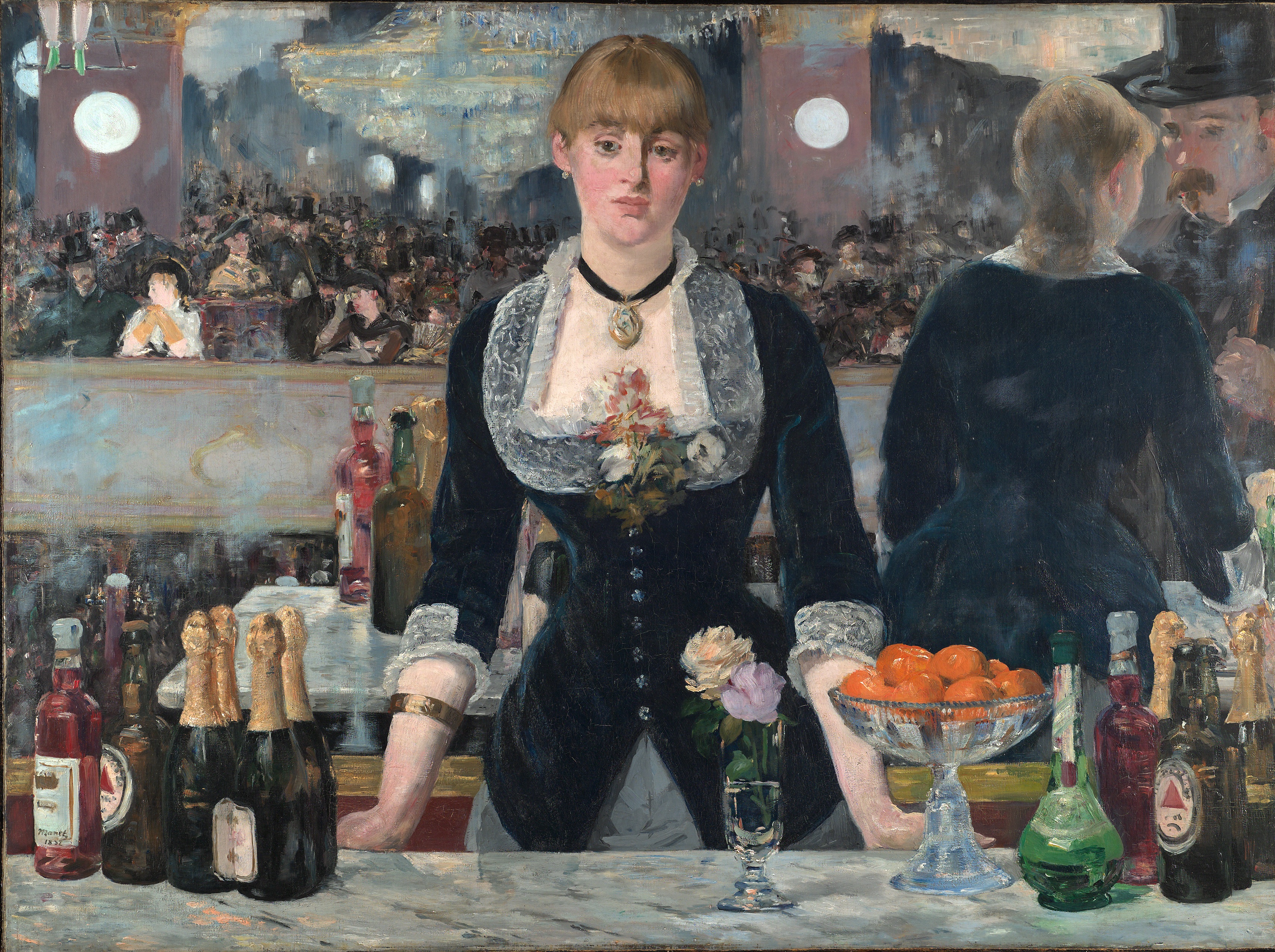
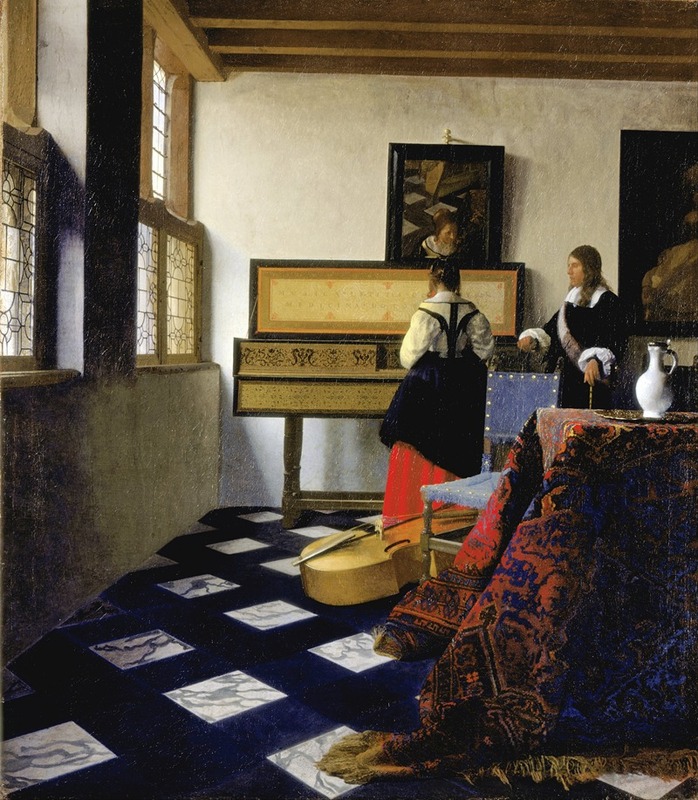
Is this a mirror — or a memory? The interplay of light and shadow in this exquisite piece invites the viewer to ponder the layers of experience and artifice that define our interactions with beauty. Look to the foreground, where delicate figures emerge, their expressions bathed in a soft, golden glow. Notice how the light dances across the ornate surfaces of the room, illuminating the intricate details of the architecture that encases the scene. The careful arrangement of colors—muted earth tones juxtaposed with vibrant blues—serves to create a harmonious balance, drawing the eye deeper into the repository of arts. Within this ornate setting lies a palpable tension between stillness and vitality.
The juxtaposition of the stationary figures against the sweeping lines of the architectural elements suggests a dynamic dialogue between the past and present. Each detail, from the art displayed on the walls to the subtle gestures of the onlookers, hints at the reverence for creativity, as if these souls are entranced by the very essence of inspiration. This moment encapsulates a celebration of artistic legacy and the ephemeral nature of perception. In 1819, as Ackermann painted this scene, he was deeply immersed in a burgeoning interest in the visual arts and the growing appreciation for public exhibitions in London.
The world was evolving rapidly, grappling with the ideals of neoclassicism and romanticism. This work stands testament to the cultural shifts of the time, as artists sought to immortalize the transient joys of creativity in spaces dedicated to the very pursuit of beauty.